
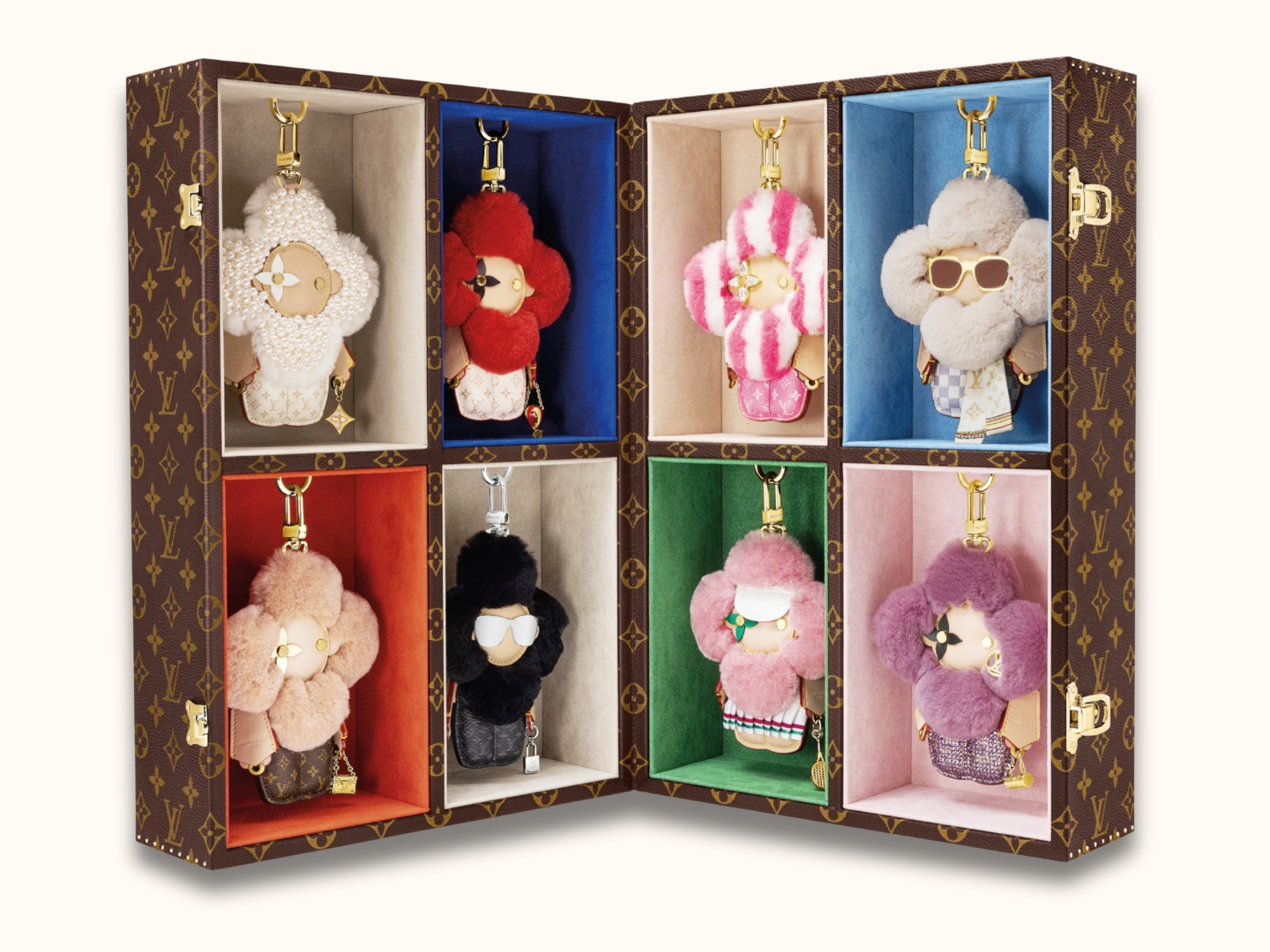
Clients who purchase all eight new Vivienne expressions are able to buy the Monogram leather display coffret (Photo: Louis Vuitton)
Exclusivity, imagined or otherwise, has a way of inspiring people to open their wallets and fork out hard-earned cash. This is the simple ethos the high fashion world has operated on for ages. In June, when French maison Louis Vuitton announced a line of new bag charms, fans started counting down the days to the online launch in late July, only to find a surprisingly lack of the promised pieces — or so they thought.
It was not as straightforward as typing “new keychain” into the search bar of the brand’s website. Buyers had to click on the new releases tab in the pullout menu to find the collection, which then directed them to a site with campaign photos. There was no option to add to cart here. You had to scroll all the way to the bottom and scan a QR code to open up a secret page in the LV app (and if you didn’t already have it on your mobile device, well, you could add a detour to the App Store/Google Play Store to the list of preliminary hoops you needed to jump through). Only then were you (and your credit card) privy to the 12 dolls.
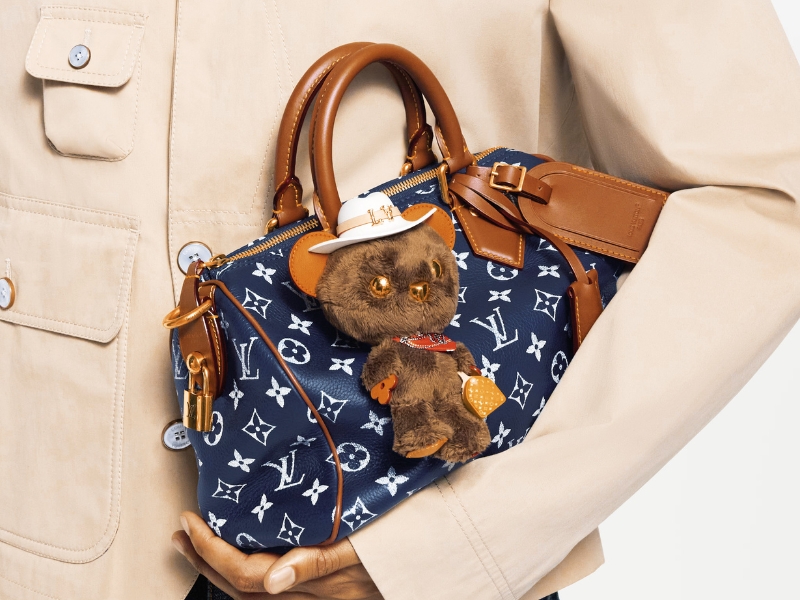
There are eight Vivienne Fashionista models depicting the maison’s beloved flower mascot in sweet pink and purple hues and fluffy textiles, as well as a quad of never-before-seen Louis Bears dressed in miniature outfits, crafted from brown faux fur and finished with tan leather ears and gold hardware for the eyes and nose. Seven of the Viviennes come as individual units while the cream leather and mink version with pearl details is only available in the limited-edition coffret designed to house the entire octet.
Although the charms have since been released on the normal LV website, the convoluted pre-launch viewing procedure was oddly reminiscent of the hours-long queues and pushy crowds at Pop Mart outlets around the world. Distinguished by its blind boxes — sealed packages containing surprise collectables — the Beijing-based toy manufacturer saw a sudden boom in popularity in 2024, following the sighting of stars such as Blackpink’s Lisa and Dua Lipa toting their items. The one thing most customers line up for? The infamous Labubu, a character created by Hong Kong artist Kasing Lung with a pudgy, bunny-like silhouette, oddly humanoid hands and a toothy grin so mischievous surely no inanimate object has been this up to no good since Elf on the Shelf and Chucky.
bubu.jpg
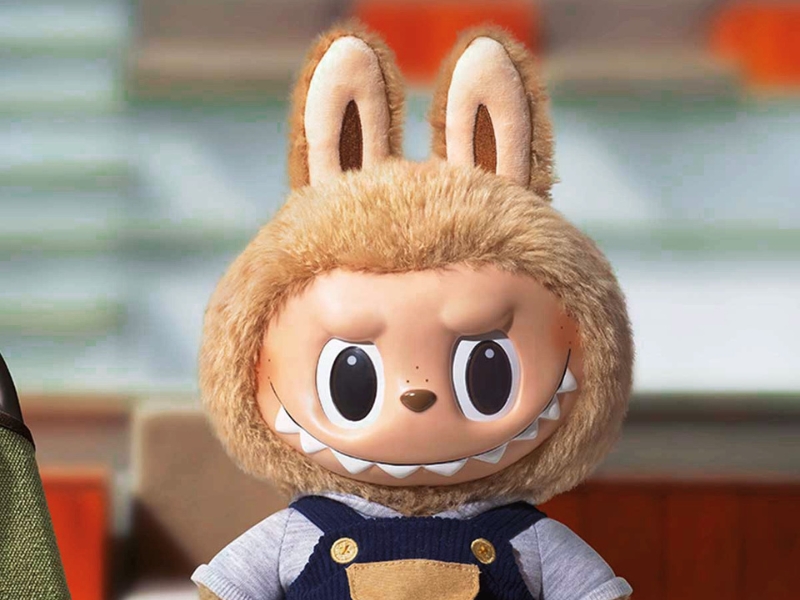
Whether you are Team Labubu or fall into the alternative “I don’t think I’ve ever seen anything more hideous in my life!” camp, the main quip most have is how pricey they can be. Depending on the size, design and rarity, these toys can cost anywhere from US$15 to tens of thousands of dollars (the most exorbitant on record is a mint green human-sized edition that was sold at auction for a whopping US$150,000). Shockingly, this has done little to deter the masses — quite the reverse, in fact. In metropolitan areas, these now unavoidable critters are the must-have accessory of the year, adorning every other bag and belt loop whether you like them or not.
And now, even luxury houses are jumping on the bandwagon. Several labels launched their own unique iterations over the past couple years, from Fendi’s leather Chupa Chups holder meant to safekeep a lollipop inside (candy regrettably not included) to Loewe’s octopus-shaped Puzz created for the 10th anniversary of the Puzzle bag. Most maisons have their signature motifs, like the Hermès Oran and Rodeo designs, a nod to the brand’s iconic sandal and equestrian roots, or Burberry’s plaid Thomas bear. And with Louis Vuitton’s latest collection costing quite the pretty penny (Louis Bears are RM5,400; the Viviennes range between RM6,450 to RM8,200, while the coffret is price-upon-request), these novelties are being positioned as more than just baubles you pick up on a whim but true collector’s items the serious fashionista simply has to own.
But why are bag charms, purse pals or whatever you like to call them taking off now?
In her 1998 book The Overspent American, Juliet Schor, an economist and sociology professor at Boston College, observed a shift in women’s spending habits in times of economic uncertainty, particularly in the luxury goods market. Instead of indulging in big-ticket items, they tend to splurge on relatively affordable offerings like cosmetics that do not demand an arm and a leg. The widespread term for this occurrence — the lipstick effect — was conceived by Estée Lauder heir Leonard Lauder upon noticing a boost in rouge sales post-9/11 as women made up for having to use their existing wardrobes by updating the contents of their vanities.
bear.jpg
Back when the fairer sex was expected to marry by a certain age and be financially submissive and dependent on their husbands, economic decline stimulated heightened desires for partners who could provide. Enhancing one’s appearance thus became a priority in order to score well in the marriage mart. These days, as more people postpone or even shun matrimony and women embrace independence, purchasing small luxuries during recessions can be seen as a way of seeking comfort amid scrimping times, as well as a form of wealth signalling to peers — “at least I can still afford this”.
And it does not stop at makeup. When the going gets tough, go shopping — albeit in a more modest way. The average person stops aspiring to have new cars, lavish vacations or designer clothing, and satisfies their consumerism habits through a premium box of chocolates or a bottle of perfume. A small decorative trinket that costs a fraction of a bespoke dress cannot hurt either, right?
Following the death of British cinema darling and style icon Jane Birkin in 2023, style enthusiasts everywhere have been on a mission to replicate her carefree, curio-covered bag aesthetic. Coined “Birkin-ifying”, the trend began with humble ribbons, ropes of pearls and beads and the occasional animal-shaped keyring, and has now spiralled into a fierce competition of who can acquire the most unusual and niche adornment. The clattering and jingle that announces the arrival of the modern day It girl no longer comes from stilettos or jewellery stacks, but carefully curated clusters of knick-knacks. With the economic outlook still gloomy and the lulling luxury industry announcing eye-popping price increases, these little charms spark biggish bursts of joy and offer a pocket-friendly investment if you are looking to reward yourself with a fresh style pick after months of frugality. It will be a while before most of us can waltz into an Hermès boutique for a new bag anyway. So we might as well jazz up the ones already in our closet.
This article first appeared on July 28, 2025 in The Edge Malaysia.