
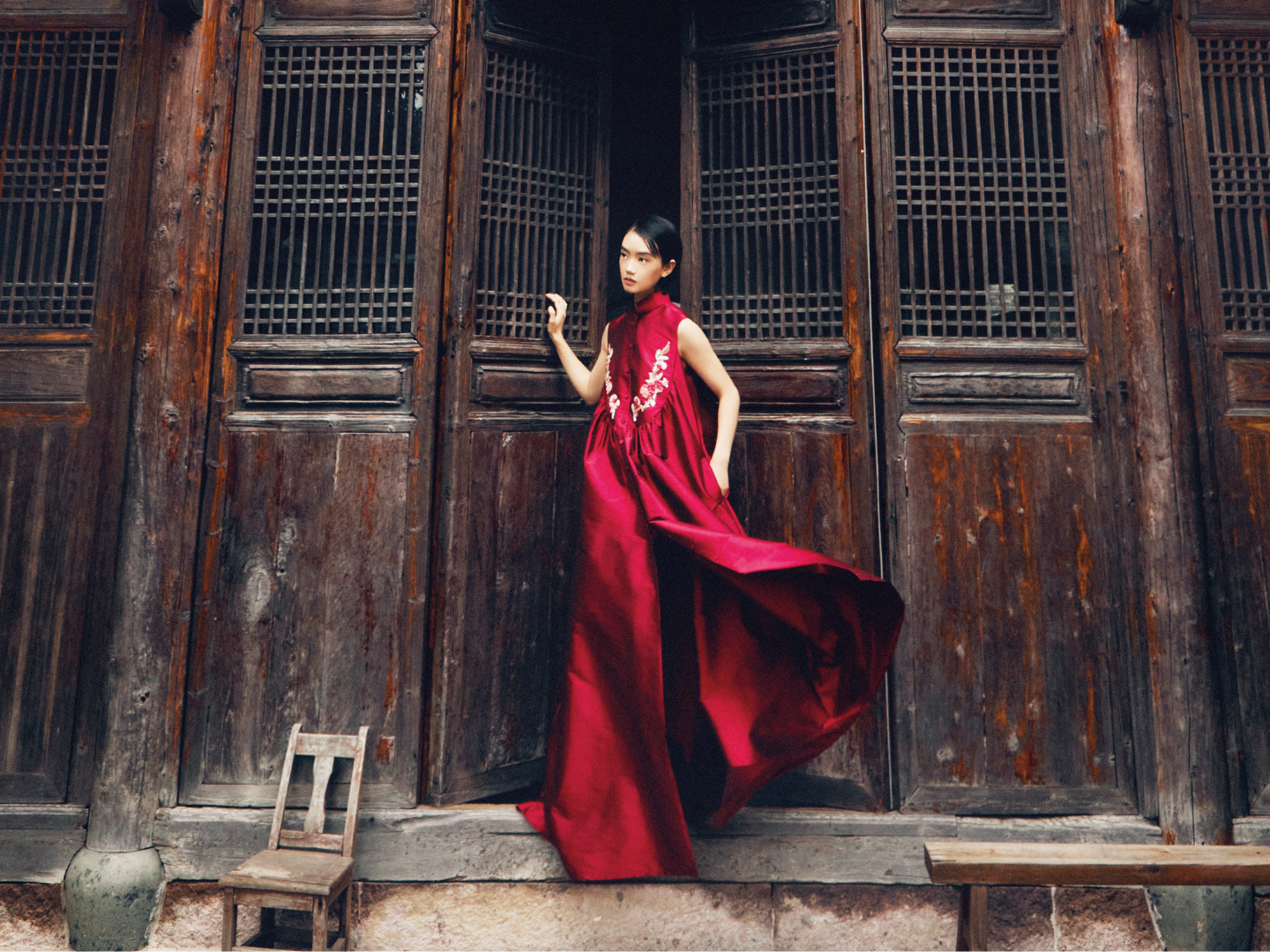
Yuleza's Chinese New Year pieces combine the contemporary with conventional Eastern elements (Photo: Yuleza)
To the glee of some and chagrin of others, global tastes are shifting eastward. The beginnings of hallyu (the Korean Wave) in the 1990s and more recent resurgence in the 2010s and 2020s have brought South Korea — namely, its music and entertainment — to the forefront of the international stage. Japanese media, once considered a niche interest despite the evergreen popularity of its cuisine, is now considered “cool”. Southeast Asian countries consistently rank among the top holiday destinations, attracting and enchanting millions of visitors each year and opening eyes to the wonders of the long overlooked Northern and Southern hemispheres. There is much to love about Asia, and it seems the world is finally beginning to agree — loudly.
Aesthetics, particularly fashion, are still tricky, though. Appreciation for the F&B, wellness rituals, natural landscapes and even languages of the East get lost in translation when large Western labels and conglomerates see something beautiful in a traditional outfit and apply it to their own designs without any of the historical and cultural context or credit to the native source. From any loose-fitting jacket with boxy sleeves being labelled as a kimono or Desi dupattas paving the way for the “skinny scarf” trend, we have seen it all.
When it comes to Chinese fashion, gone are the days of the skimpy qipao and wearing chopsticks in one’s hair. That kind of blatant ignorance has evolved into something more covert. As distaste for Anglo politics grows, a public desire to distance oneself from the mess blooms in the West. US-China tensions are at an all-time high, and social media has become an outpouring of Douyin beauty trends, travel guides for Hong Kong, Taiwan and the Mainland, as well as traditional Chinese medicine remedies. In the flurry of it all, we see non-Asians adopting what appears to be a more respectful take on Eastern-influenced dressing — looser silhouettes and traditional textiles that echo the originals at a passing glance. Still, a glaring, continued lack of accurate referencing, acknowledgement and ethnic representation make for campaigns devoid of soul and substance.
Modernising is not the issue. In fact, in places like Malaysia, where youths are learning to fall in love with the styles popularised by their elders, contemporary-yet-thoughtful approaches are essential to reviving the ethnic ensemble. As the Gen Z grow up and recall the importance of family and kinship, these clothes re-enter their closets. While the current cuts, colours and shapes may not be perfect replicas, they are infused with the same stories and customs.
During the Chinese New Year, when buying and wearing new clothes is believed to usher in prosperity, wearing something that speaks for one’s self and culture is what it means to be well-dressed. If you have yet to decide on what to don, here are six Malaysian designers — selected for the key style archetypes that come out to play this time of year — whose festive releases do more than just look good.
The textile fanatic - Kapten Batik
1.png
There are few things that scream Malaysian style like batik and, if you ask us, any time of year is a great opportunity to flaunt that background. Historically crafted using metal printing blocks or canting to draw floral and geometric patterns on fabric, the Malaysian variety usually features floral or geometric motifs and is most commonly used for traditional Malay clothing. However, recent years have seen the material take the form of modern casual daywear as well as the traditional garb of other cultures, providing a distinct local touch no matter the occasion or festival.
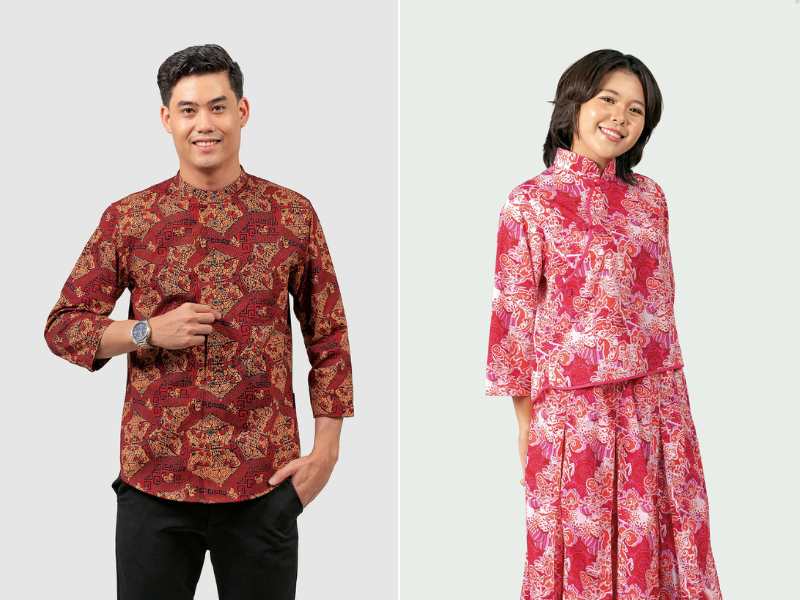
Founded in 2017 with an emphasis on tailored men’s fashion, Kapten Batik’s shirts are easy closet pulls throughout the year but are arguably the most suited for festive periods as the bright colours and patterns uplift spirits and are believed to attract luck. The likelihood that someone else at the family reunion will rock up in a similar look is also minimal, so those not shy of a little flamboyance and flattery will be well pleased.
The 2026 Harmony in Heritage shirts are fashioned from lightweight, breathable cotton and come with either short or three-quarter sleeves as well as slim-fit cuts to complement and add structure to all builds. The prints are hand-stamped with an array of wooden or metal blocks, with minute imperfections that boost the organic nature of the motifs. The flowing lines and repetition in the designs here are purposeful, incorporated to reflect perseverance and movement. As these tops can easily transition beyond celebrations and into the office, they are perfect for counteracting procrastination.
While the masculine offerings are the mainstay of the collection, a series of Nusantara Cheongsam for women are also available in four print variations that correspond to a matching shirt. Boasting an A-line fit reminiscent of traditional qun kwa bridal gowns, these two-piece sets comprise a pleated maxi skirt and long-sleeved top with a Mandarin collar and pankou (Chinese frog closure). The departure from the cheongsam’s typical body-hugging style makes this a great option for those who wish to be comfortable throughout long days of socialising and feasting.
The diva - Dickson Mah
2.png
There is always that one extra stylish relative whose whole brand is showing up to the function dressed to the nines and ready to stir the pot. Dikson Mah’s glamorous take is guaranteed to earn plenty of dropped jaws, side glances and comments from the aunties and uncles whose new year tradition is to pass judgement.
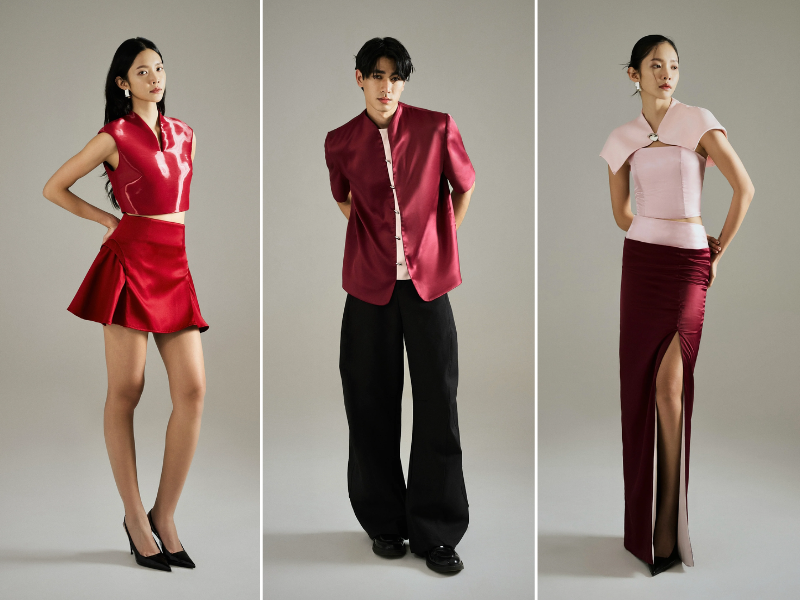
Titled Core and released for the 2026 Spring/Summer season, Mah’s line approaches birds and flowers — commonly featured in Chinese art and culture — with an abstract twist. These organisms are among the first signs of the earth coming back into action after a long winter slumber, signifying fresh starts and prosperous times ahead.
Swooping hemlines and detachable capes mimic the gentle flower petal and sinuous sapling peeking up through defrosting soil. Shimmering fabrics and sequins catch the light like the final remnants of ice and snow glittering under the sun. Deep reds for luck are a core hue, of course, while flirty tones of blush pink and baby blue reference the re-emergence of tender buds and clear skies. Contrast piping on the Curved Edge qipao dresses enhance their sculptural flair, while the Flare Liquid Red set experiments with clashing textures through a top made in a glossy “liquid metal” fabric and a satin finish mini skirt that emphasises the feminine figure.
In place of the usual frog buttons, the label has opted to finish some of the designs with a hidden button closure, accented by minimalist silver embellishments in a sleek teardrop shape modelled after the aerodynamic form of small birds or morning dew running down the face of leaves.
Men’s options are few but unique, playing around with traditional elements to create something fresh. Stand collars are pulled askew for an asymmetrical neckline that pairs with a sloping hem, creating a sense of movement even when the wearer is still. For the grounded personality that hungers for a little fun, the Centerline shirts offer a cheeky peekaboo panel in a contrasting colour with metallic details running down the middle.
The conscious buyer - Florette the Label
4.png
Purchasing an outfit is all fine and dandy until some of us realise we tend to wear these pieces only once before leaving them forgotten in a corner of our wardrobe. It can be hard to style these extravagant occasion outfits for the boardroom or casual days out.
Still, after a challenging Year of the Snake, the rare fashion expense is an indulgence many of us deserve. After all, sustainable fashion is not just about wearing ethical textiles but also buying pieces that can be easily worn on multiple occasions. As Chinese New Year and Hari Raya are being celebrated nearly back-to-back this year, shoppers are also on the lookout for items versatile enough to work for both festivals.
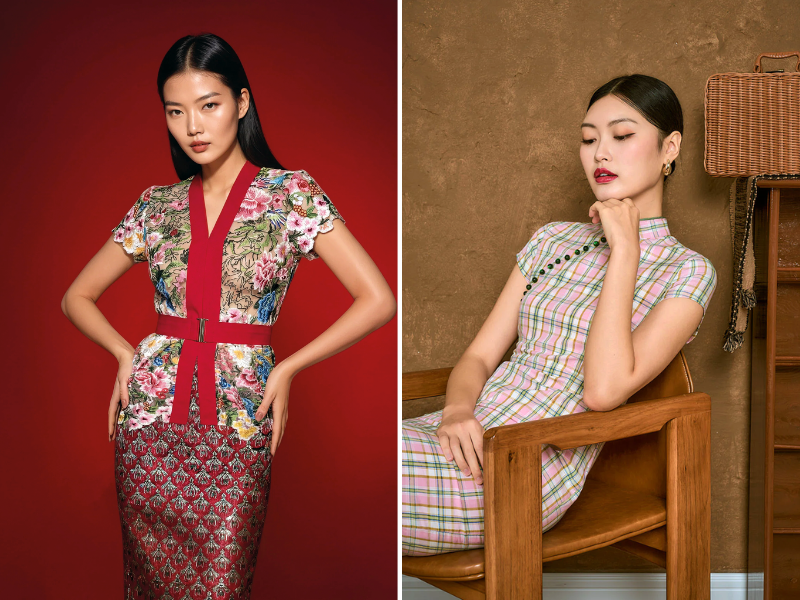
Florette The Label’s Eternal Heirloom collection is a go-to. While the line’s cheongsam options in luxurious embellished tweeds and vintage-inspired checked patterns are hard to say no to, those who are dead set on flexible styling will notice that the brand has also launched kebaya and pencil skirts. These contemporary interpretations of Peranakan style allow for easy mixing and matching with the existing pieces in your closet.
The star design is the Amara kebaya, which highlights a vibrant floral crochet. Saturated trims around the neck and centreline manufacture the illusion of a more streamlined silhouette, while a matching detachable belt cinches the waist. Meanwhile, the Jasmine top embodies femininity and romance in its flutter sleeves and is available in pink crochet lace or embroidered denim. The Eloise lace shirt wears beautifully with any of the skirts in sumptuous brocades for the Lunar New Year, and then a pareo for the Hari Raya season.
For a design with traditional elements that is still very wearable past February, go for one of the qipao tops that come in pastel satin with lace panels and decorative jade-like buttons as well as elaborate batik with pankou. Matched with slacks for business or jeans for errand days, these are worthwhile investments that will see you through all the year’s events.
The futurist - Yuleza
3.png
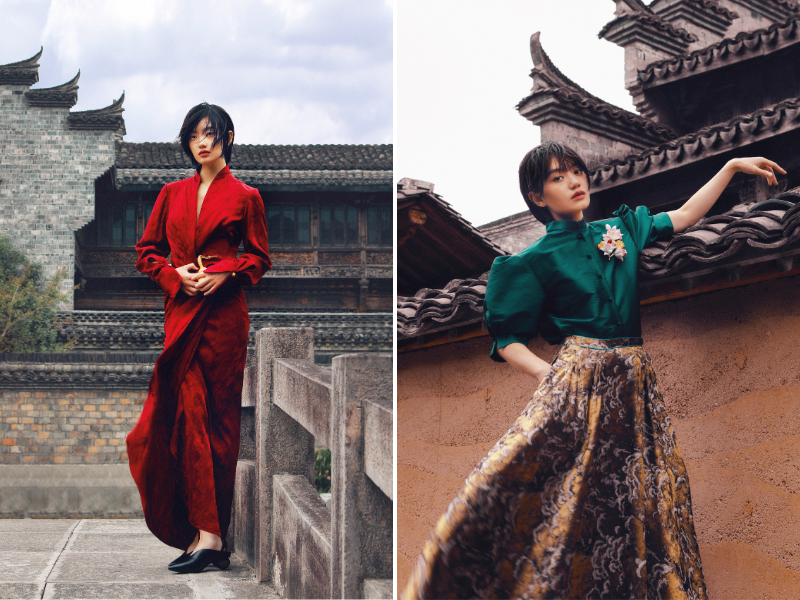
As China’s global influence continues to grow and the younger generation gravitate towards embracing cultural identity, conventional Eastern elements have been increasingly integrated into everyday wear. With the neo-Chinese wave becoming more prominent in fashion, Yuleza’s latest collection presents itself as a timely interpretation of this aesthetic by blending the past and present through a contemporary capsule.
The Lunar 2026 line-up includes reimagined classics such as the cheongsam and tangzhuang (Chinese jacket), coupled with more modern forms of midi and wrap dresses. Silhouettes shift from sharp to fluid, drawing inspiration from ancient Chinese architecture and the rhythm of nature. Elongated skirts and sculptural stand collars reference carved rooftops, stone bridges and corridors; while pleats and peplums echo the gentle ripples of water and seasonal foliage.
Departing from the brand’s signature pastel palette, this edition embraces deeper shades — jade green, ruby and burnt orange hues meet stippled and abstract patterns in muted gold and moonlit silver, creating a striking yet harmonious contrast.
Though wearing black is largely considered taboo, Yuleza has an unconventional approach. Darker pieces appear throughout the collection, thoughtfully balanced with “lucky” elements — for instance, black garments are intricately lined or paired with red fabric.
Embracing the overall theme of prosperity, different auspicious symbols are woven into the designs as quiet talismans. Demonstrating the intricate craftsmanship that Yuleza incorporates in its philosophy, artwork is hand-embroidered with shimmering sequins, rhinestones and beads. For protection, a smiling Shishi lion — the Chinese guardian lion made of stone commonly found guarding palace and temple entrances — in icy tones is incorporated. Motifs of lilies, pomegranates, peaches and Buddha’s hand fruit represent fortune, protection, abundance, longevity and renewal.
The symbolism extends into detachable adornments. Elaborate brooches that represent the cycle of life, alongside sleeves, collars and bodices ornamented with natural stone buttons, copper strips and decorative trimmings extend a refined touch to each look.
In true neo-Chinese manner, each piece is designed for versatility and encourages mixing and matching, allowing you to style them outside of the festive period. Those who decide to don a Yuleza piece will most definitely stand out.
The cross-cultural trailblazer - Behati
6.png
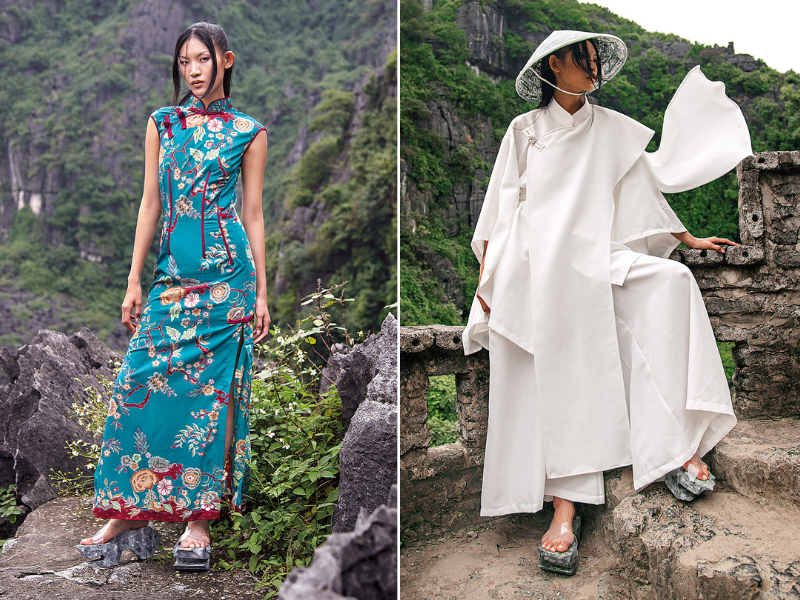
One thing that makes Southeast Asia unique is how each culture is different in its own way, yet undeniably intertwined. Especially in Malaysia, everything is campur — unity in diversity is the pride of the melting pot.
Amplifying this sentiment, Chăm marks Behati’s first-ever Lunar Raya collection and its name sets the tone. In Cantonese, cham means “mix” — a word Malaysians instinctively recognise from kopitiam culture, where coffee and tea coexist in one cup. In Vietnamese, it means “to care for”. Together, they capture the essence of the line — thoughtful hybridity, expressed through form, texture and styling rather than overt symbolism. With two national festivals falling closely together, Chăm reflects the layered identities that define Malaysia’s complex tapestry, serving as a reminder that culture is interconnected rather than something static.
Having recently debuted at Vietnam International Fashion Week, the collection approaches festive dressing with a deliberately fluid lens. Paying homage to Peranakan culture, Chăm reworks references from the Southeast Asian region, specifically Chinese, Malay and Vietnamese elements fused together while still preserving the label’s signature oversized proportions.
Voluminous shapes and forms anchor the collection — long tunics fall past the knee, layered with selempang-inspired drapes that introduce moderate movement. Extending an interracial touch, batik printed qipao and experimental tops with Mandarin collars are softened with loose bottoms.
Chăm also draws on rich cultural references in a glamorous and dramatic manner — “Gadis Melayu Kelantan” and “Istana Kampung” are revived with heritage accessories such as daun bunga emas and hooded boleros that resemble kain kelubung. A baggy áo dài with double-winged sleeves is derived from the Cham dance.
Much like the beverage, the colours in the collection are earthy and grounded — tan undertones and warm, sun-faded neutrals accompanied by shades of sand, stone, red clay and olive green that take inspiration from nature. In terms of material, traditional weaves meet industrial fabrics — pelikat plaids and songket merge with denim and linen, lending each piece a lived-in quality, as if shaped by time.
Many items are intentionally genderless and focus on stylisation through layering and personal expression, aligning with Behati’s ongoing exploration of dynamic frames and inclusivity. Avant-garde dressers can depend on the label to deliver a show-stopping statement that will turn heads no matter where you go.
The cohesive cohort - DoubleWoot
5.png
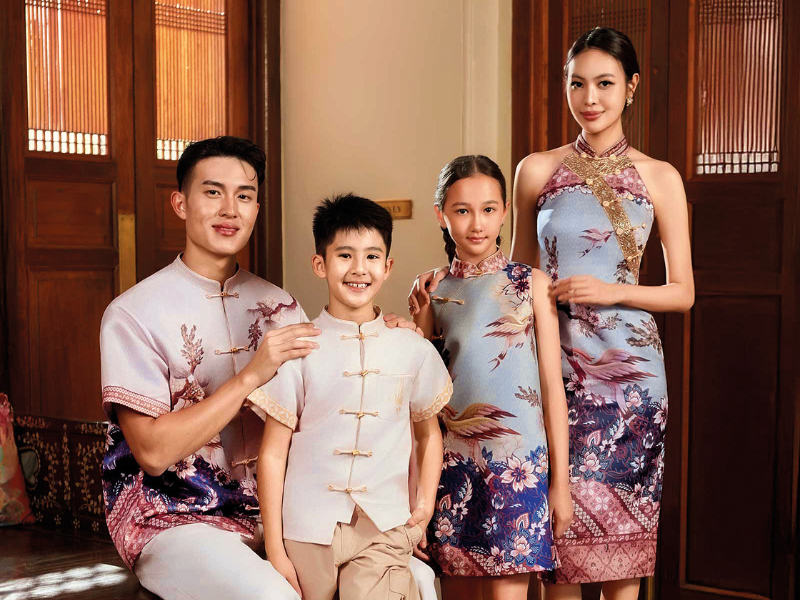
For those who see festive dressing as a shared ritual rather than a solo endeavour, coordinating outfits with loved ones is part of the tradition. From reunion dinners and family portraits to multi-house visits, matching ensembles add a visual balance to the special moments spent together. Through its Icons 2026 collection, Penang-based atelier DoubleWoot presents pieces that allow loved ones to dress in sync, without sacrificing individuality.
Shifting effortlessly between standalone elegance and unified dressing, sculpted cheongsam, fluid dresses and tailored separates reinterpret classic forms in more current apparel. Kebaya tops and skirts are also present in the range, offering wearers a wide variety of options to style across different festivals. Lending depth to each garment are delicate embroidery, jacquard and brocade textures as well as refined artisanal detailing in the form of hand-finished closures and removable brooches. They offer an elevated feel, whether worn alone or as part of a matching set.
The palette remains intentionally restrained. Soft ivories, blush tones, porcelain blues and champagne hues create cohesion, making it easy to combine and interchange looks. Pops of deep blue, red or purple inject vibrancy into the subtle shades, grounding the overall tone of the collection.
DoubleWoot offers his-and-hers ensembles designed as seamless pairings rather than identical counterparts. Glistening samfu against elaborate qipao present an opportunity for picture-perfect moments that you can reminisce with your significant other in the oncoming months.
The brand extends this matching philosophy to families with an exclusive batik-fusion range featuring the Bird of Paradise motif. The Paradis Heirloom Family Set offers garments for women, men and children, allowing relatives to dress harmoniously while retaining their distinct personalities. Worry not about fitting, as customers will get the best of their purchase’s worth.
Ultimately, Icons 2026 serves as a reminder that dressing up plays a part in creating shared bonds. Oftentimes, the relationships that we create define our style choices, and through clothing that brings people perceptibly closer, loved ones can look back on the memories made, forging ties that are sure to endure beyond the season.
This article first appeared on Feb 2, 2026 in The Edge Malaysia.