
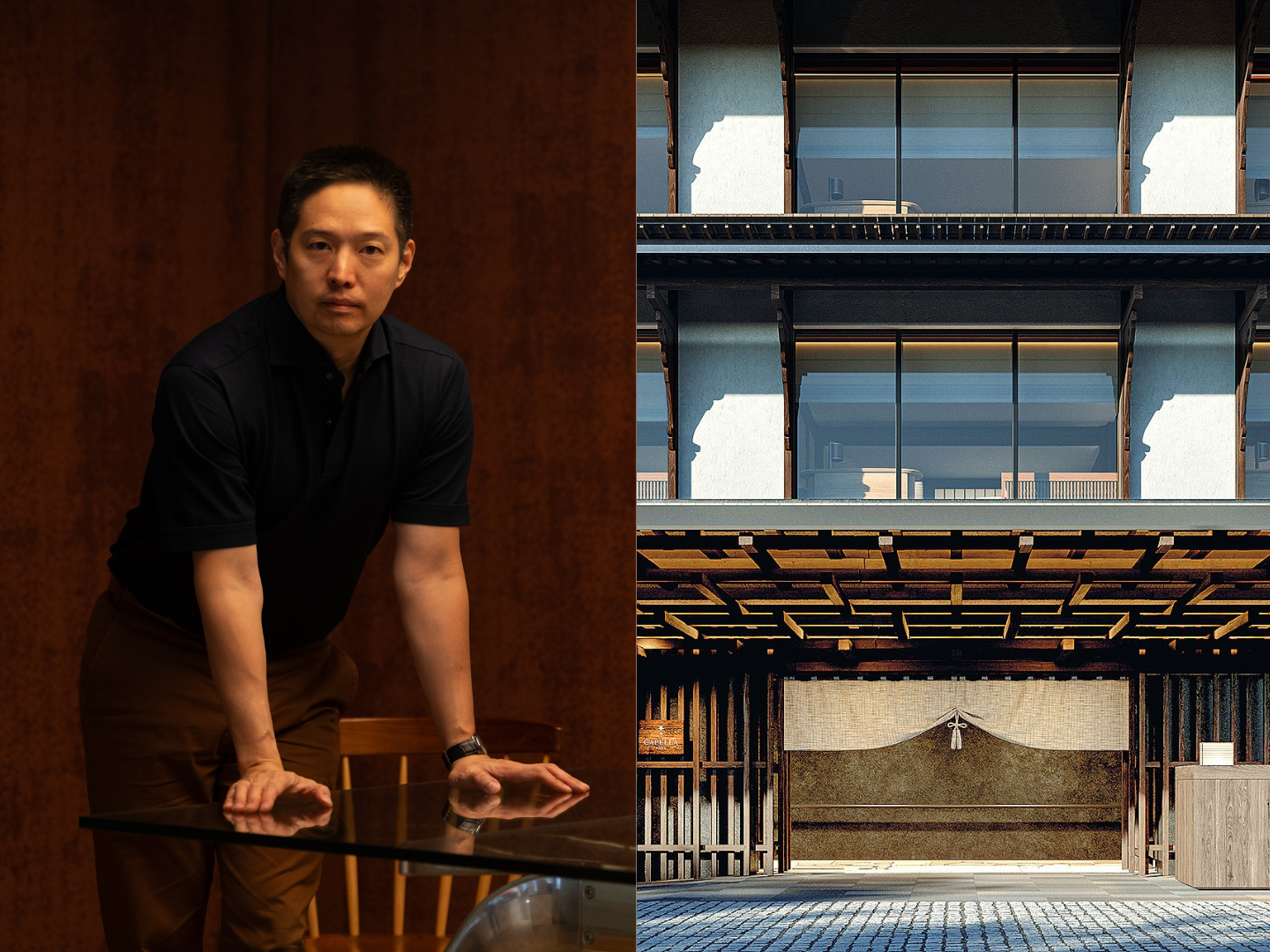
Cheng worked with Kengo Kuma & Associates to design the new hotel (Photos: Brewin Design Office, Capella Kyoto)
Options: What were your first thoughts when presented with the project?
Robert Cheng: Our first instinct was to work with intention. Capella Kyoto sits in a part of the city where history isn’t something you reference lightly, but something you respond to carefully. Rather than asking how visible the design should be, we asked how quiet it needed to be. The project felt less like an opportunity to make a statement, and more like a responsibility to contribute something measured and enduring to its context.
How familiar were you with Kyoto prior to the Capella project?
I had travelled to Kyoto a number of times prior, but it is a city with such depth that familiarity is always relative. Kyoto doesn’t reveal itself all at once — it unfolds gradually through presence, seasonal change and time spent observing rather than just visiting. While the Capella project deepened my understanding in a more focused way, it also reinforced the idea that Kyoto is never fully ‘known’; it’s a place you continue to learn from the longer you stay engaged with it.
2.png
What do you want people to feel when staying at the Capella Kyoto?
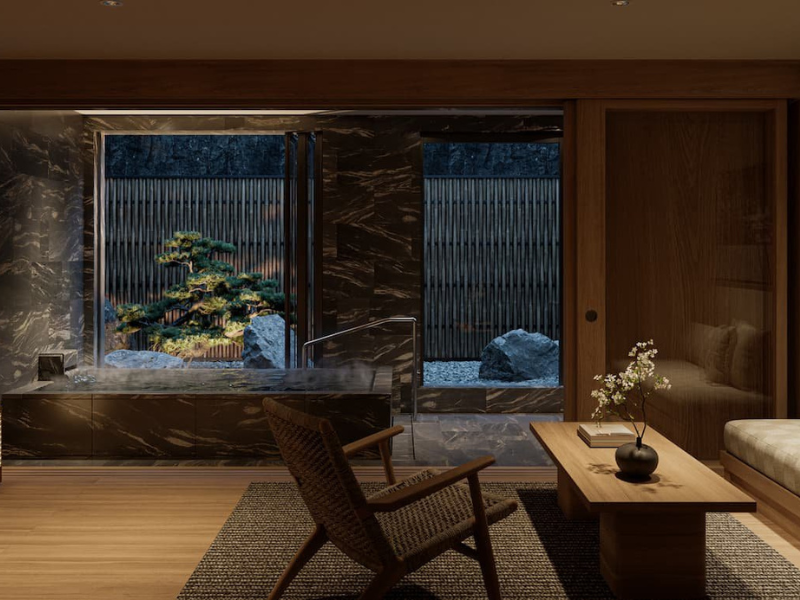
One of the guiding perspectives that was shared with us early on by the Capella team was that this hotel would not be for everyone, especially those seeking things like stunning views or landscapes. Capella Kyoto does not rely on the obvious advantages of a panoramic vista or garden settings, but is instead woven into the everyday fabric of the historic, mixed-use neighbourhood of Miyagawa-chō, just a short walk from Gion. This is an area that has long been shaped by craft, making and lived culture, and that context became central to how we approached the hotel. The experience at Capella Kyoto is about looking inward, creating an intensely curated sequence of spaces.
Do you have a favourite space within the hotel?
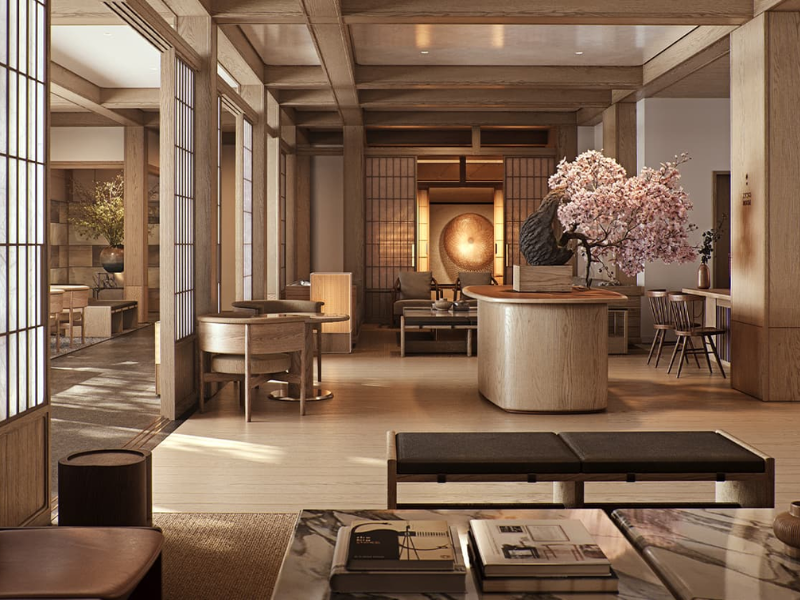
While I am hesitant to single out one space, if there is a moment that best captures the spirit of the hotel, it is the journey from the entry vestibule to the Living Room. That passage — across a human-scaled bridge, flanked by the external courtyard on one side and the triple-height atrium on the other — places you in the midst of the architecture as it unfolds. It is a moment of transition, where movement, scale and light are carefully calibrated, and, for me, that sequence embodies how Capella Kyoto is meant to be experienced — not as an immediate reveal, but as a gradual unfolding.
1.png
What are your favourite sources of inspiration?
Much of my inspiration comes from the galleries I follow closely around the world. I receive updates and enjoy engaging with them as a way of staying connected to contemporary making. I am particularly drawn to galleries that focus on furniture and object-based design, and work that sits at the intersection of art, sculpture and industrial design.
How do you like to spend a few days in Kyoto?
I enjoy experiencing Kyoto on foot, observing how it handles the in-between: paths, thresholds, framed views and moments of pause. It is a city that reveals its design intelligence most clearly through careful attention rather than accumulation. I always pay a visit to the antique street Shinmonzen-dori, where galleries, antique shops and everyday life sit quietly side by side. I would also highly recommend a visit to the Katsura Imperial Villa, not just for the architecture but to appreciate its mastery of proportion, sequence and the seamless relationship between architecture and landscape. An equally meaningful experience is the moss temple Saihoji, where the garden and its atmosphere is shaped through abstraction, simplicity and time. 
This article first appeared in issue No. 119, Spring 2026 of Haven.