
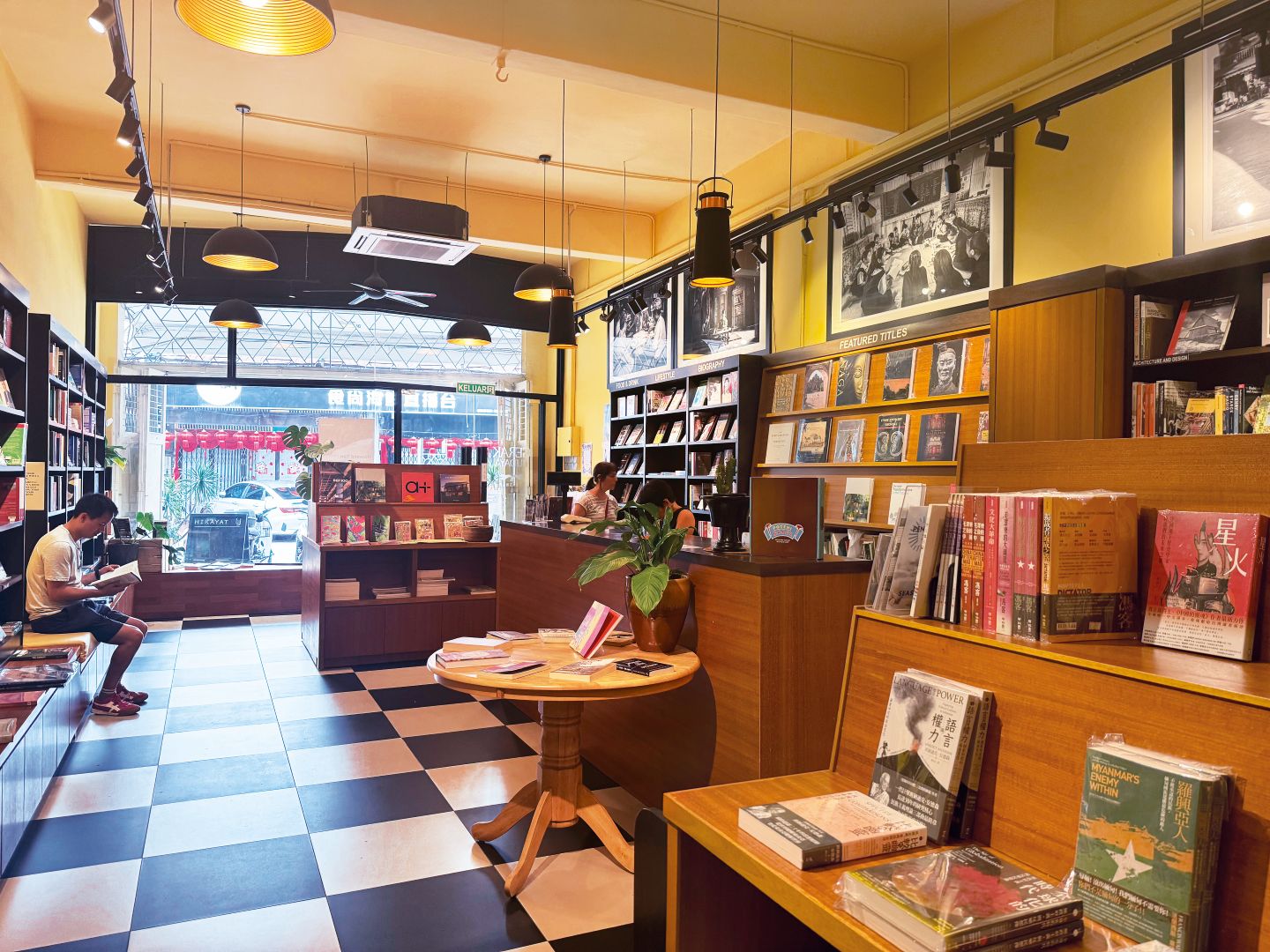
Gerakbudaya on Lebuh Pantai (All photos: Kong Wai Yeng)
Gerakbudaya
When a city shifts and swells with time, certain places hold their ground — familiar as habit, steady as refuge. Established in 2014 by former academic Gareth Richards, Gerakbudaya began without grand ambitions, yet it holds a place in Penang that many would miss if it were gone. When its iconic yellow door disappeared from Jalan Masjid Kapitan Keling in 2022 due to financial pressure and slim margins, regulars were briefly alarmed — only to be reassured that it had simply moved. Its new home, occupying the former café area within the arts and letters venue, Hikayat on Lebuh Pantai, remains very much in conversation with galleries and museums nearby that shape its neighbourhood.
Novelist Tan Twan Eng, a loyal patron of the store, once left a message that has echoed through its many chapters: “Every new bookshop that opens is another flaming torch holding back the darkening world.” Stocking nearly 6,000 titles under one roof, this cultural beacon continues to glow steadily in George Town, drawing in both critics and the curious with an often personal curation that reflects the taste of those who run it, including topics such as regional politics, Malaysian history, Southeast Asian literature and social criticism.
gerakbudaya2.jpg
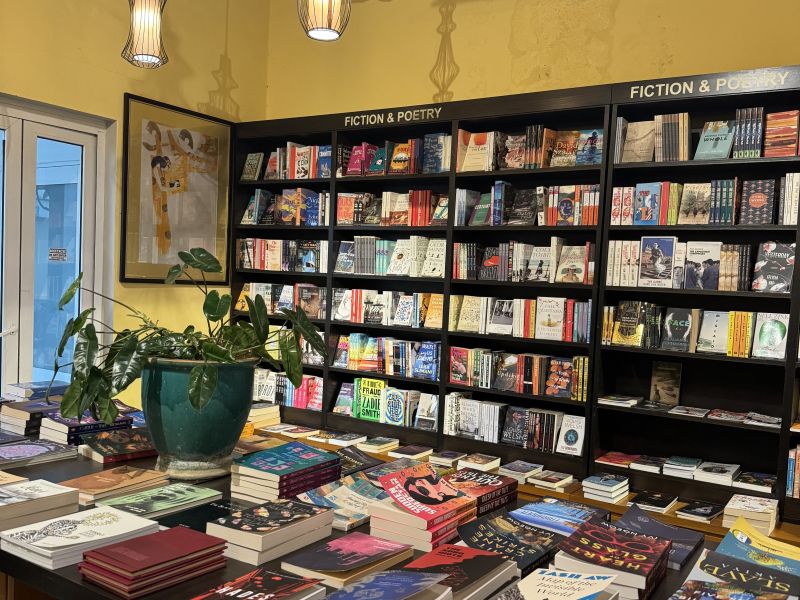
What sets it apart today is not just the pickings on the shelves but the environment it fosters. Talks, readings and forums are held routinely, with an emphasis on multilingual voices and critically engaged perspectives. Just last month, Adrian Hashimi — who recently collaborated with Francis Ford Coppola on Megalopolis — and visual effects specialist Mark Russell discussed the future of motion pictures and the island’s potential as a “film city”.
There are a few house customs to keep in mind though. Phones are gently discouraged to keep the focus on the plot, not the ping. Those hoping to linger while waiting for a Grab will be reminded that its entrance is not a transit lounge. Browse with intent and you might be joined by Kafka, the resident cat. He is unlikely to be interested in your material of choice but will silently judge whether you have truly earned the right to quote Haruki Murakami.
226 Lebuh Pantai. Daily, 11am to 6pm. gerakbudayapenang.com
Areca Books
The ideal bookstore is like an English park, carefully cultivated to look perfectly natural and ever so slightly twee. Just off the mural-strewn Lebuh Armenian lies Areca, which attracts a dedicated allegiance of writers and researchers. Penang’s literary scene may be small but it is sustained by long-running collaborations and a handful of press that value substance over scale. Even Gareth Richards, before he kickstarted Gerakbudaya, spent about 18 months at this cloister of curiosity, founded by fifth-generation Peranakan Khoo Salma Nasution and her husband, activist-scholar Abdur-Razzaq Lubis.
areca1.jpg
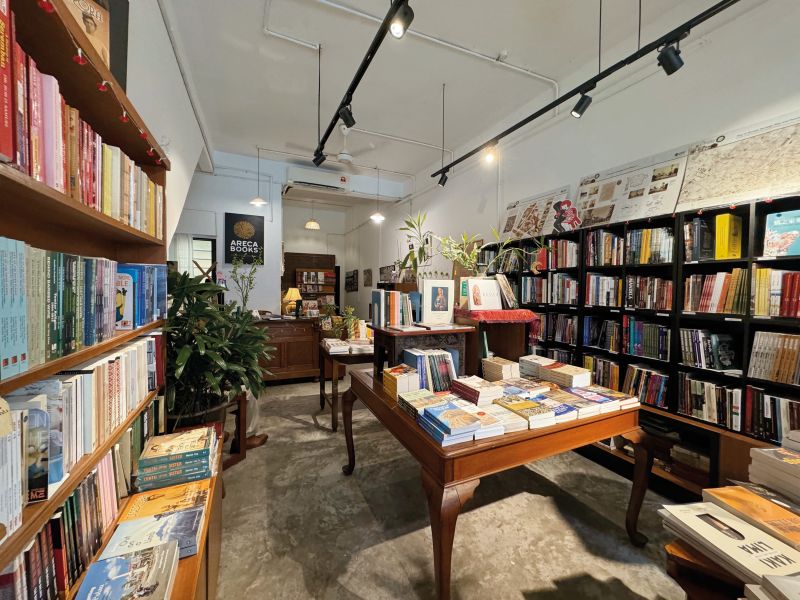
It is rarely the book you come to seek but the one next to it, which changes your mind and heart. Areca offers unusual or localised gems that resist commodification: pulp novels higgledy-piggledy in one corner; political essays wedged between print ephemera in another; and scavenged treasures for the history buff, teeming with maps, memoirs and monographs that piece together forgotten lives and shifting borders.
Also doubling as an independent publishing house, Areca understands the gap it needs to fill, while untangling the threads of heritage with care. One of its key concerns is the subject of Malaysiana — a term, for Khoo, encompasses the rich, overlapping identities that mould the country’s social history. Our ethnic diversity is often reduced to a simplified triad of Malay, Chinese and Indian, when in reality, the historical picture is far more nuanced. Areca’s aim is to paint an honest portrait of a nation still sorting through its plural past.
areca2.jpg

This, in turn, influences the way the founders develop books, each deeply tied to geography. When their first title — Penang Trams, Trolleybuses and Railways by Ric Francis and Colin Ganley — was released, they took on the added responsibility of sourcing photographs and verifying details to ensure the local context was accurately represented. The pair undertakes personal and specialised projects too, such as The Chulia in Penang: Patronage and Place-Making around the Kapitan Kling Mosque 1786–1957 and Sutan Puasa, Founder of Kuala Lumpur.
Not just a static retail galore, Areca is a living character, deeply principled and driven by the conviction that our cultural record deserves more than a passing glance.
72 Lebuh Aceh. Daily, 10am to 6pm. arecabooks.com
Loteng
In a secondhand bookstore, every spine echoes a former life: bedtime tales murmured into sleep, pages wrinkled by rain or plot twists that kept someone company across a restless sky. The occasional scribble in the margin or a ticket stub tucked between chapters as a bookmark is a reminder that someone else was here before — thinking and pausing at a sentence that once struck a chord.
loteng1.jpg
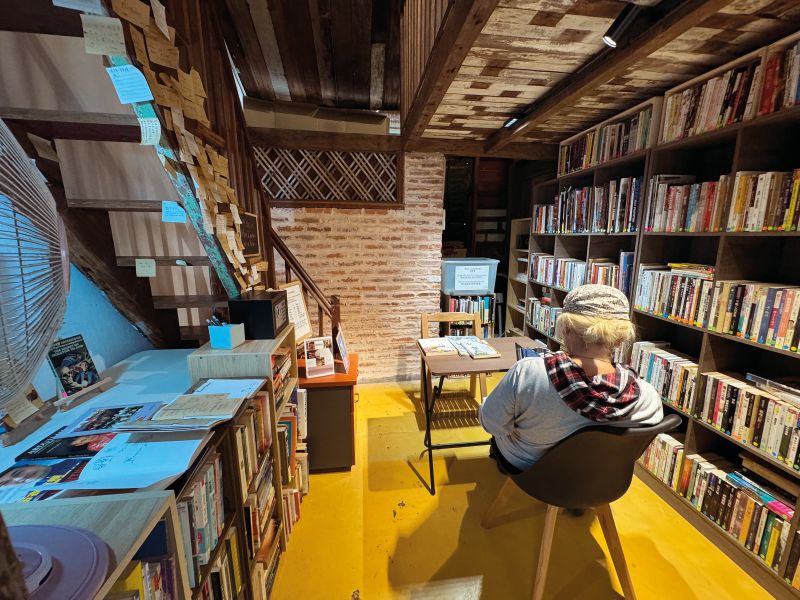
High above the hum of coffee cups and handmade wares, Loteng sits on the third floor of a shared creative enclave that also houses a café and gallery. Here, discovery happens by instinct rather than design — what catches your attention or lands unexpectedly in your hand becomes the day’s find. Founder Chung Chun Chen, a 27-year-old biotechnology graduate currently pursuing his master’s at Universiti Sains Malaysia, takes the idea further, even stripping away the presence of a shopkeeper. Visitors are free to linger or read at leisure, and if something resonates, they can take it home for RM5 to RM25, paid via e-wallet or cash.
Browsing in the absence of watchful eyes feels rare in an age when much of our everyday routine is monitored and monetised. But a little trust can go a long way. The simple model of self-service extends the life of a book that might otherwise fetch only a few cents at a recycling centre. Chung started his business by purchasing a few hundred volumes to pack out the space, but over time, generous donors arrived with suitcases full of well-thumbed delights, hoping only that they would continue to be cherished.
loteng3.jpg
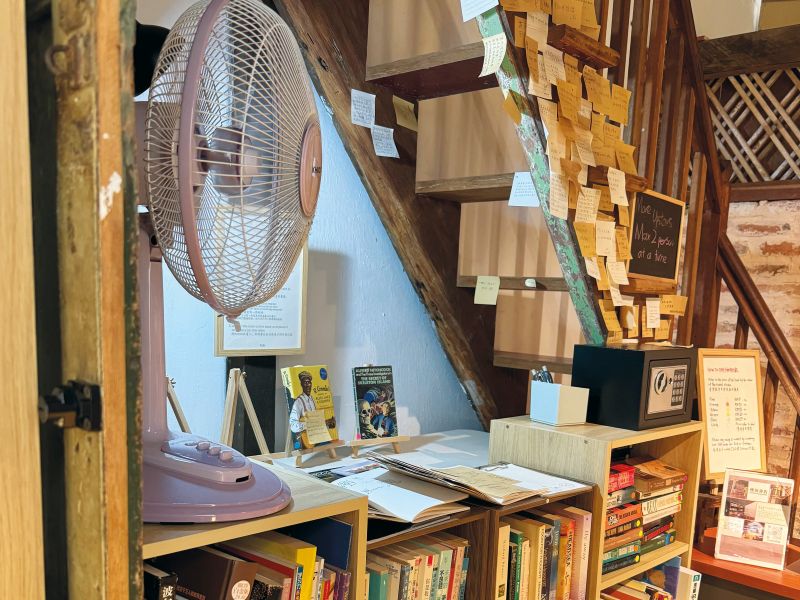
Loteng takes its name from the Malay word for “attic”, a term that shares linguistic roots with the Hokkien lau téng (upstairs). It is a subtle nod to Malaysia’s bahasa rojak, a fitting moniker for an intimate den above a city at the crossroads of language, cuisines and beliefs. This sensibility extends to its inventory, an eclectic selection that includes The Good Muslim by prize-winning Tahmima Anam, The Pinang Peranakan Mansion by Suan Choo Chan and a range of Malaysian Chinese literature seldom found in the mainstream. Each item is priced according to condition — using an A to D rating system that flags defects from worn covers to missing pages — and then listed on the website for online purchase.
29 Muntri Street. Tues to Sun, 9:30am to 6:30pm. lotengbookstore.com
Book Island
You may have swapped messages with a bot about your literary interests, but a droid, alas, is not a human index with a sharp sense of humour and a few offbeat suggestions up its sleeve. No digital substitute quite replicates that kind of personalised exchange, a belief that fuels Chong Lee Choo, co-proprietor of Book Island since 2023. She is convinced her snug but comprehensive corner at Hin Bus Depot’s Coex has the pull to rekindle faith in the written word.
bookisland3.jpg
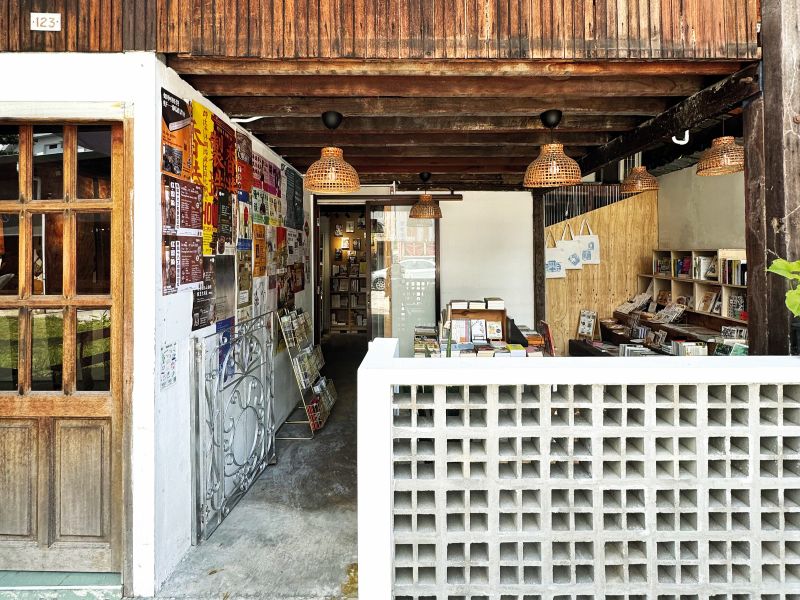
Formerly a media professional specialising in editing and designing cover sleeves, Chong views Penang’s network of bookstores as small ecosystems of thought. Ask her — or any staff — for recommendations and you will be pointed to engaging autobiographies or zines that were never on your radar but now will not leave your nightstand. She also edits Penang City Eyes, a free bimonthly magazine that offers a local’s take on the island’s happenings. Independent authors from China, Taiwan, Hong Kong and Singapore often bring their self-published works to the store, seeking exposure and readership beyond their home markets.
Where public libraries are underutilised or poorly funded, Book Island maps the city’s pulse by serving as a gathering point for civic dialogue and ideological battleground. Those worried about the future of publishing being bleak and uninspired — in the face of rising rents, shrinking attention spans and the occasional supply chain snafus — need only attend one of the store’s talks or panel sessions. Banking analyst turned writer Daryl Yeap was one such guest when she promoted As Equals, her account on the Oei women of Java who defied gender norms and navigated colonial society on their own terms. The event sparked an open exchange about privilege and inherited silence, prompting necessary conversations that are reflective as well as inclusive.
bookisland.jpg

Also a frequent vendor at the George Town Literary Festival, Chong’s labour of love has played host to many exhibitions and workshops by fledgling artists who lack access to formal spaces. It is her commitment to fostering homegrown narratives in tangible, community-driven ways.
123 Jalan Timah, Wed to Sun, 11am to 7pm. @penangbookisland
This article first appeared on June 16, 2025 in The Edge Malaysia.