
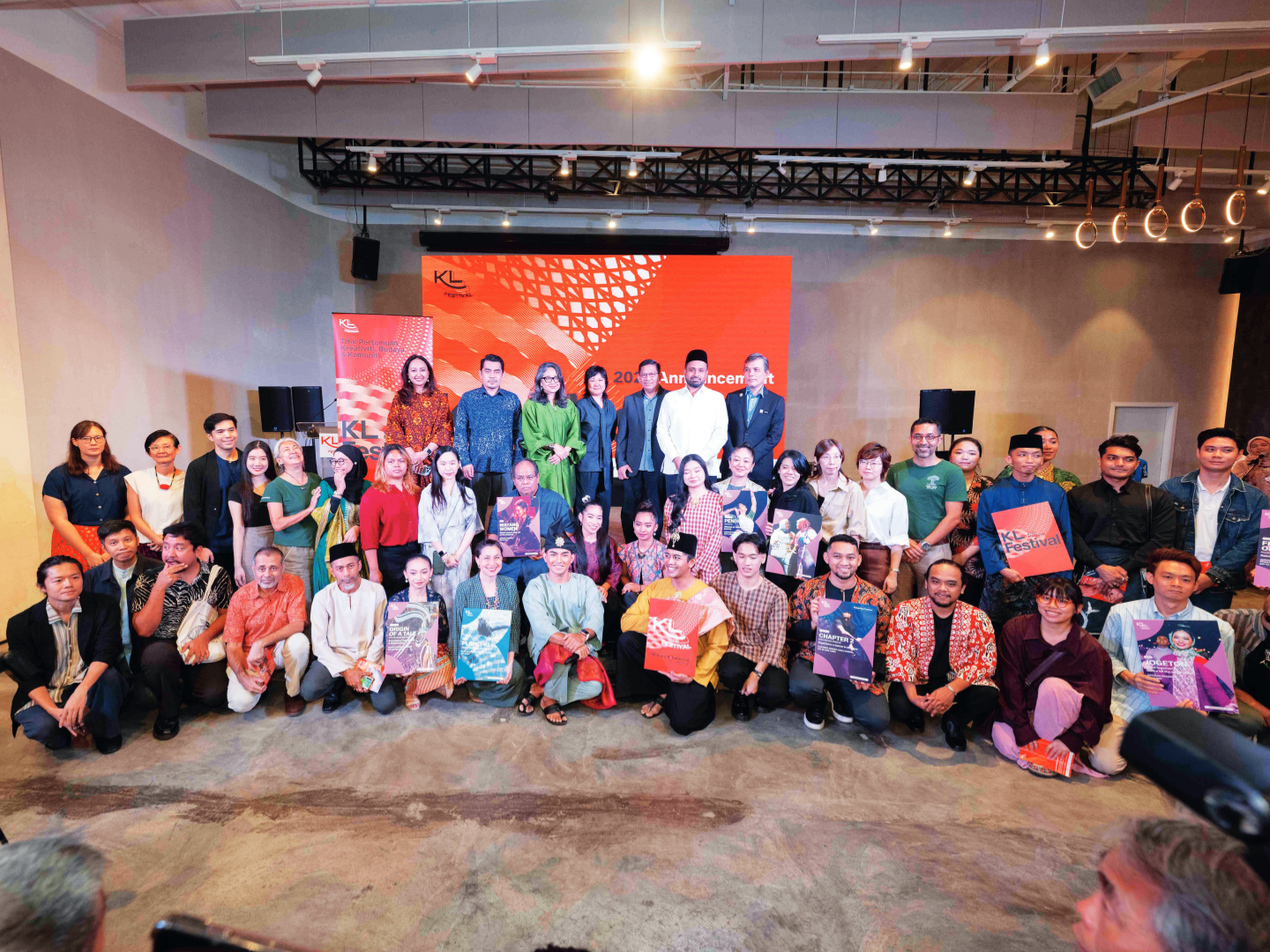
At the launch ceremony of KL Fest 2026 (Photo: Sunlee Khan)
Last Oct 31, in celebration of World Cities Day, Kuala Lumpur achieved a prestigious milestone by being inducted into the Unesco Creative Cities Network. Joining a select cohort of 58 new members from across the globe, our capital was recognised for its burgeoning influence and commitment to championing creativity as a driver of sustainable urban development.
While some of the inductees were acknowledged for their achievements in fields such as gastronomy, literature, music and architecture, KL distinguished itself in the category of design, alongside Daugavpils, Latvia; La Spezia, Italy; and Riyadh, Saudi Arabia. The recognition highlights design as a primary catalyst for the city’s efforts in urban regeneration, innovation and social inclusion.
This achievement finds its most vibrant expression in the upcoming KL Festival, set to transform downtown’s heritage buildings, streets and public spaces into a celebration of art and culture. From May 6 to 31, over 80 events will spill out across 25 venues, breathing new life into the city’s vital arteries and century-old façades.
“KL Fest is part of a long-term regeneration strategy to strengthen confidence in Downtown KL, demonstrating what is possible when culture, community and commerce come together,” says Datuk Hamdan Abdul Majeed, managing director of Think City.
“This is aligned with Visit Malaysia 2026, Warisan KL and the Unesco Creative City designation. A city that consistently activates its public spaces sends a powerful signal to residents, visitors and investors that this is a place people choose to be and is part of our identity. It is something we are building deliberately and systematically through partnerships between the private and public sectors and the creative community.”
1.png
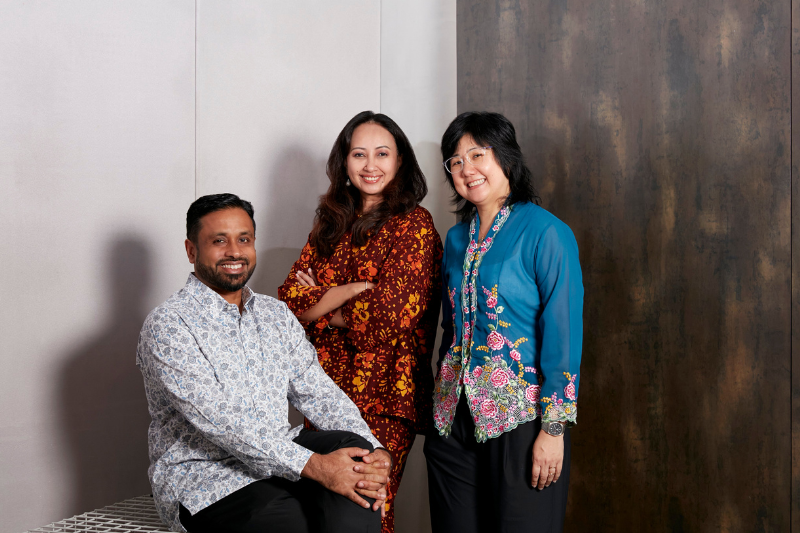
To orchestrate this ambitious vision, Think City tapped the talent of June Tan — the acclaimed producer, scriptwriter and Five Arts Centre stalwart — who steps in as creative director, bringing a sharp dramaturgical lens to the curation of the festival’s multi-layered programme.
Her vision for KL Fest began at the confluence of the Klang and Gombak rivers at Masjid Jamek. She imagined herself lying between the two shifting tides and realised that the rivers — like our experiences — are in constant flux. “The water you see in the morning is gone by evening.” She pondered the pockets of memory tucked within the city’s folds, from the weathered walls of heritage landmarks to the enduring legacy of local businesses, big and small. “What surrounds those memories is change. That change, to me, is ‘tomorrow’.” Hence the theme: “Memory & Tomorrow”.
“It’s not past and future,” Tan clarifies. “We can have a past, but no memory of it. We can have a future, but no sense of tomorrow.”
The festival aims to bridge generations through a diverse slate of programming, from cinematic outdoor film screenings to immersive art and thought-provoking theatre. Every weekend in May, Dataran Merdeka will transform into a lively hub for family-friendly activities, headlined by Jogeton, an endurance competition challenging participants to joget for 90 minutes straight on May 9. As traditional and contemporary rhythms fill the air, Malaysians are invited to claim the streets and move to the beat. While the atmosphere is one of pure fun, the stakes are real: judges will evaluate the final dancers standing, with the ultimate winner taking home a RM3,000 cash prize. “I thought about it as wanting people to dance on the streets again. Malaysians like to move, but maybe we’re a little shy,” explains Tan. “So the Jogeton’s a bit of fun. I can’t wait to see who can last for 90 minutes.”
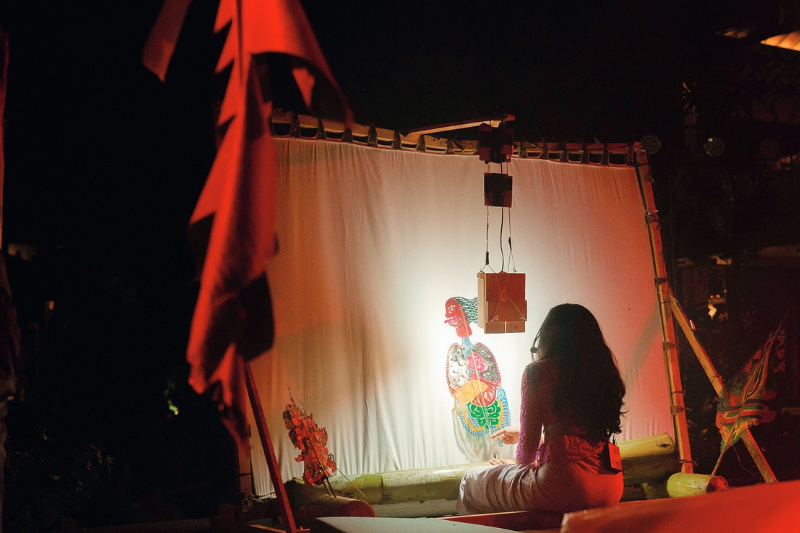
Another weekend highlight at Dataran Merdeka is Wayang Women. Following two sold-out shows in KL last year, this all-female troupe — uniting musicians from across Southeast Asia and the Netherlands — returns to present reimagined regional ghost stories with a playful, contemporary twist. While the performance will feature familiar spirits like the Pontianak and Penanggal, a new, mysterious entity is set to be revealed on the eve of May 16. These supernatural tales are brought to life through a rich sonic landscape, seamlessly blending traditional instrumentation with modern electronic beats.
4.png
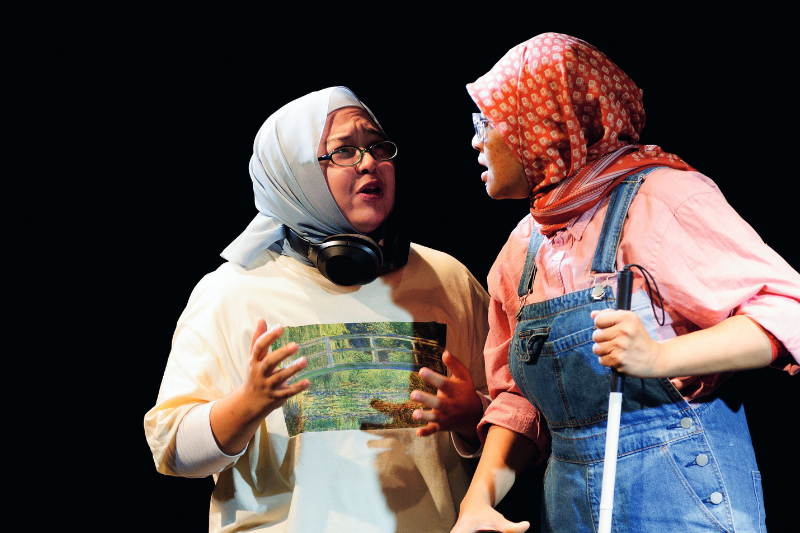
Asked which event he is most anticipating, Hamdan highlights the festival’s commitment to inclusivity. “We tried to cater to different segments and thought about how we could celebrate everyone,” he notes. “For me, the one that will be interesting to see is Siapa Cacat? in the sense that it brings the voice of the differently abled forward and gives them a platform to share their experiences, which are sometimes neither heard or seen.”
Spearheaded by Teater Untuk Semua, the disabled-led production taking place on May 16 and 17 at GMBB The Grey Box challenges the status quo of Malaysian theatre. By reclaiming the term cacat, the ensemble — comprising blind, deaf, disabled and neurodivergent artists — turns a slur into a statement of radical visibility. The play takes place at a bus stop, where performers come and go in anticipation of the elusive Bus 801. This transit point serves as the backdrop for a series of evocative monologues and scenes, weaving together stories of defiance and reflections on what it means to wait, act and belong.
1.png
At its heart, KL Fest is a catalyst for discourse, designed to spark meaningful conversations. Pengat Pisang & Dapur Yang Kau Susun uses an intimate exhibition format to foster dialogue around senior mental health and the complexities of grief. In a similar vein, Lessons of Silence by Agnes Christina offers a poignant look at the May 1998 Indonesian riots, capturing the weight of history through the eyes of a young girl. Both events will take place at The Godown.
This year’s edition brings a slew of internationally acclaimed works to local audiences for the first time. Chapter 2 by esteemed Thai contemporary dancer and choreographer Pichet Klunchun will make its Malaysian premiere. The performance at Blackbox Aswara aims to explore embodiment, expressivity and the possibility of co-authoring a show with artificial intelligence. Meanwhile, Origin of a Tale by Lebanon’s Collectif Kahraba tethers dance and storytelling and is presented through the manipulation of clay by artists Aurélien Zouki and Eric Deniaud.
3.png

The city’s cultural landscape is blooming with the return of landmarks like Seri Negara and the Sultan Abdul Samad Building. Adding to this revival is the Merdeka Textile Museum at Merdeka 118, which explores Malay textile traditions through the pages of classical Malay literature. Celebrating our rich musical tapestry, Orkestra KL, Gangsapura, the Lee Rubber Chinese Orchestra, EKAM Ensemble, and renowned sape musician Leslie Eli will share the stage at the Auditorium Dewan Bandaraya KL for an evening of music.
“I want KL to be a city that is celebrated. A city that’s people-centric. A city that’s culturally engaging and distinctive. It’s got a soul, it’s got an identity. There are a lot of cities being built or are emerging, but many places do not have what KL has — a rich history, diverse culture and the layers of voices and people,” says Hamdan.
The inaugural KL Fest in 2024 drew over 140,000 visitors and generated more than 800 creative jobs and gigs, underlining the role of culture in revitalising the historic core of the area. “The reality is that the creative and cultural aspects of the city do bring social and economic dividends,” says Izan Satrina Mohd Sallehuddin, senior director at Think City.
“We are working towards mounting a 2027 festival and thinking of continuing it in the month of May. Every year we want to strengthen its foundations and apply our learnings to the next editions. As we move towards 2027, additional strategies, such as including more international creators and making sure we tap more international funding in time, are what we need to do so that KL becomes a destination for artistic collaboration.”
This article first appeared on May 4, 2026 in The Edge Malaysia.