
The journalist and filmmaker advocates for human rights in his most recent project, ‘Jom Kita Ke Laut: Itui Suli-Suli Bajau!’
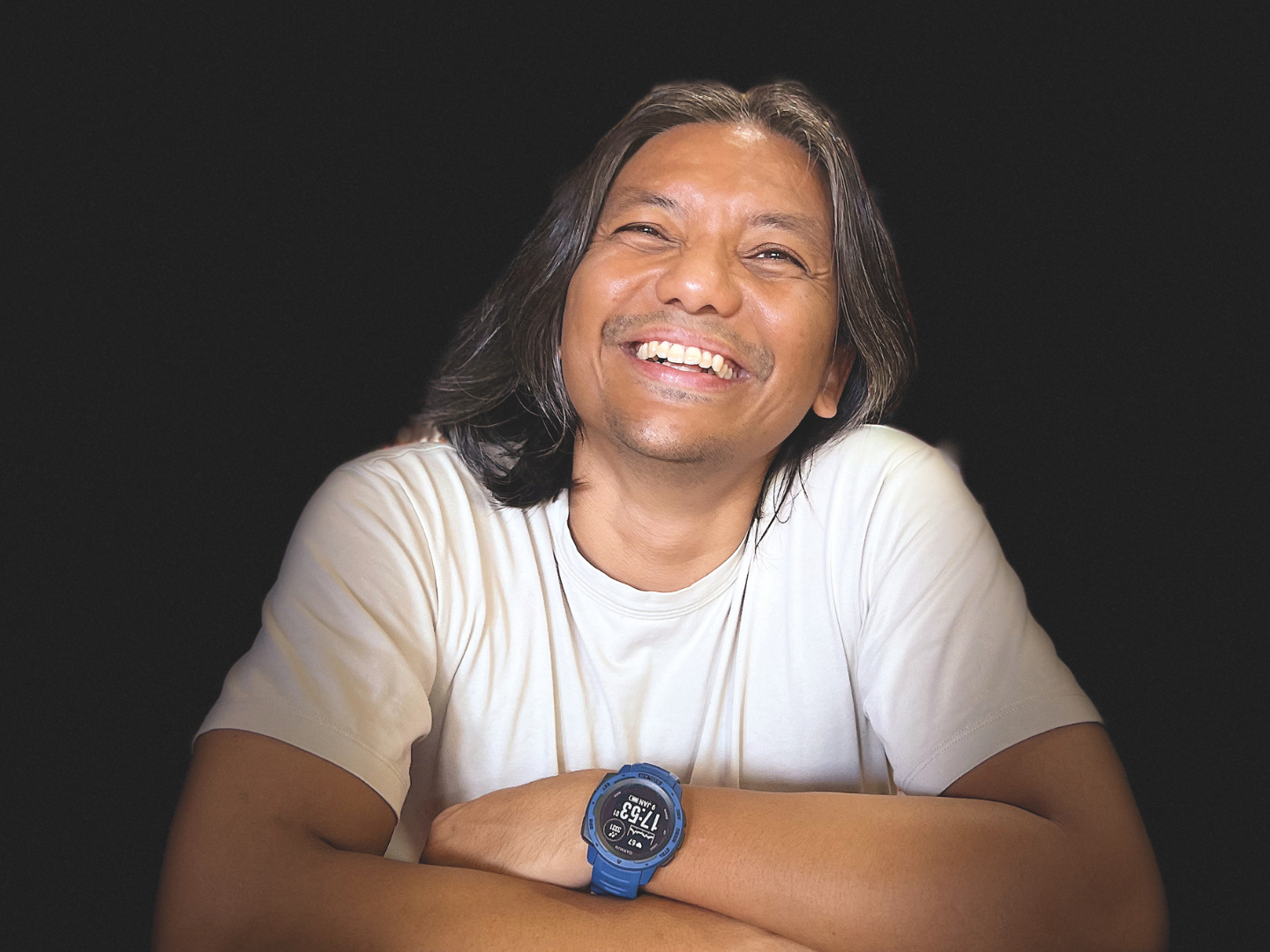
The director of Jom Kita Ke Laut: Itui Suli-Suli Bajau (Photo: Fat Bidin)
Options: Tahniah on your latest feature documentary, Jom Kita Ke Laut: Itui Suli-Suli Bajau. Can you tell us what inspired it?
Zan Azlee: About four years ago, I had produced a documentary about the Lahad Datu invasion and was bringing it around Sabah, screening it to local communities. One of the venues happened to be on Pulau Omadal, off the coast of Semporna. My producer [and wife] Sheril A Bustaman attended that particular screening because I had to stay back in Kuala Lumpur. She told me about the island and it was fascinating to me as it was home to a large Bajau Laut community, all of whom were stateless yet living among a very small community of Bajau Darat, who weren’t [stateless]. There was also an alternative learning centre NGO there called Iskul Sama diLaut Omadal, which provided basic education for the stateless children there who could not go to school. I have always believed everyone deserves basic human rights, like education and healthcare. So I thought I could do something to tell people about the stories on that island. After about two years of developing the idea and getting the funds — we received a grant — we were finally able to execute the project, which we spent the entirety of 2025 doing.
1.png
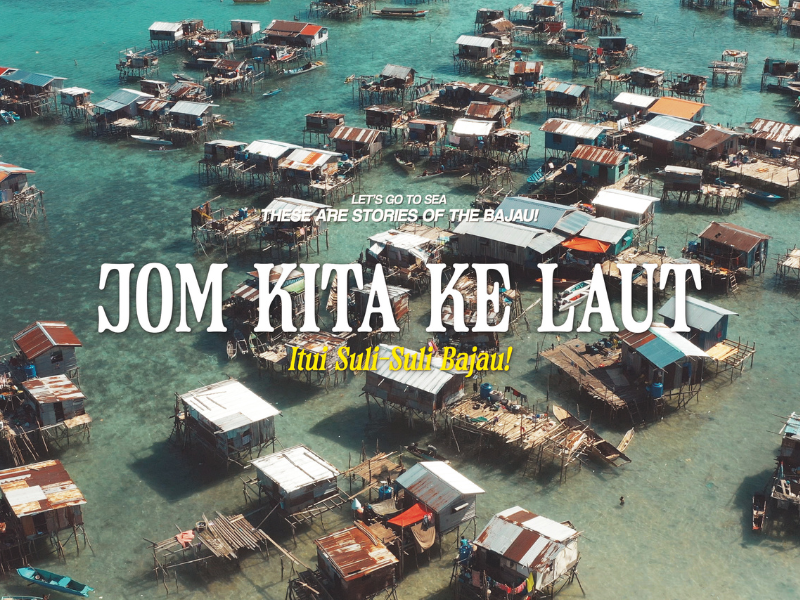
Title card for Azlee's most recent documentary (Photo: Fat Bidin)
Can you take us through the creative process?
The project actually consists of two parts. The first was a series of filmmaking workshops with selected island youth. We collaborated with Iskul, which selected 15 young participants for the workshop and brought on trainers of different disciplines such as writer Adriana Nordin Manan, cameraman Syaffiq Lajis, editor Nizam Andan and motivational speaker Thomas Koruth Samuel. At the end of the workshops, we chose the best three — which was difficult as the other 12 were also incredibly talented — to become junior directors, working alongside me and the crew to produce the feature documentary film, supported technically by Daily Dose Films.
We gave them the school camera and audio equipment, the plan being for the trio to shoot stories of their lives on their own. Later on, the crew and I would shoot more footage together and, finally, incorporate everything into one whole story. And that was what happened! So, basically, Jom Kita Ke Laut is Bilkuin, Shima and Didi’s story. We just facilitated it.
What have been the most profound truths you learnt about the Bajau Laut, after working closely with them on this project?
Actually, it would be the most obvious; that is, they are just regular human beings with families and who want a better life for themselves and their children. But due to statelessness, they have killed off their own hopes and ambitions, living just to survive. This is pretty sad but through Iskul, the next generation have begun to hope and dream again. Bilkuin, for example, was one of the first stateless children to attend school. After he graduated, they made him “Mastal Arikik”, which means “junior teacher” in Bajau. He now teaches at the school. Bilkuin has become quite popular, with tens of thousands of followers on TikTok, and he uses his channel to highlight Bajau Laut issues. He now dreams of taking his storytelling skills further. Through this project, we hope that we can help the Bajau Laut youth hone the skills that can help them economically. Through Iskul, they can also market their filmmaking and storytelling skills, with the documentary feature film as a single showcase of what they can do.
3.png
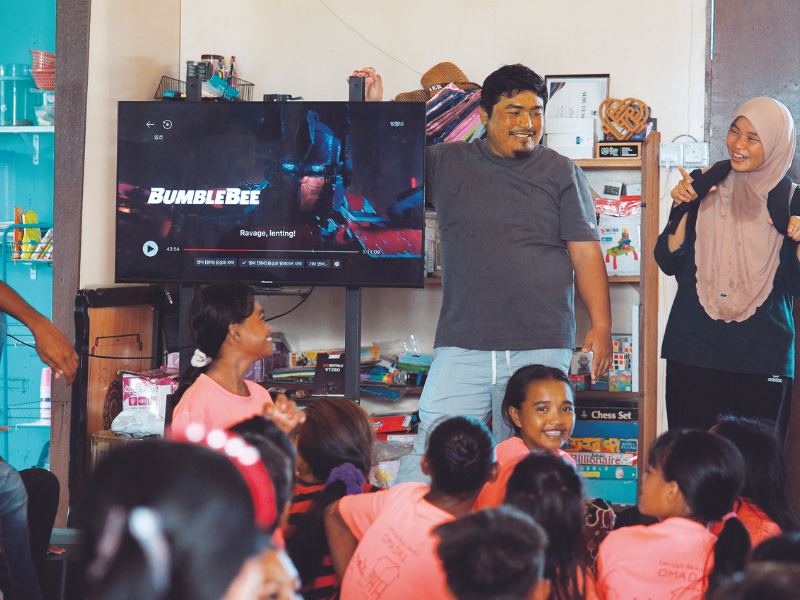
A classroom of youths on Omadal Island (Photo: Fat Bidin)
Who do you think should see Jom Kita Ke Laut?
Everyone! Many people know about the Bajau Laut, but so many more don’t — and we want to change that. We’ve teamed up with Kuman Pictures, the film’s distributor, on a crowdfunding campaign to get people into theatres. We are a small indie film up against giant blockbusters, so we need everyone’s help to fill seats. Donations will go towards buying tickets for underprivileged and marginalised communities, so that they can watch the film on the big screen. Please visit fatbidin.com/jkkl to contribute and even tell us exactly which group you’d like to support. Hopefully, we can all work together to raise awareness for the film and the community it represents. On top of being able to help different communities watch the film, a percentage of ticket sale profits will go towards Iskul and the Bajau Laut community to continue the good work they are doing on the island. Hopefully, all this will stretch far beyond the shores of Pulau Omadal.
What are you working on next?
I have a few ideas for documentaries, but these are still in the initial conceptualisation stages, so it would be premature to say anything. But let us get through the cinema run of the film first, which will be released in cinemas this April.
How do you stay inspired?
By travelling and reading. It helps me see what is happening around me and how life is like. Travel also doesn’t have to mean going far away. Even a quick road trip from Shah Alam to Pulau Pangkor can help me see things I have not seen before.
Where else will you be travelling to this year?
I’ve been thinking about going to Syria. I went there for the first time in 2006 before the war. It was a beautiful place and I used it as a base to go into Lebanon to shoot a documentary on the civil war that was happening then. Then, in 2013, I was in Egypt covering the Arab Spring and had planned to enter Syria again where the war was just beginning. But a big attack occurred in Damascus a few days before I was due to depart and I lost contact with my local fixer there. After evaluating the situation, I decided not to go. Now that the war is over, I would like to return to see how the people there are rebuilding.
What are you reading right now?
Jon Ronson’s Lost at Sea, a compilation of different non-fiction articles and essays. I like him as I think he is funny and notices weird things in the world.
4.png

Goldfinger is an American punk rock band (Photo: Lindsey Byrnes)
What are you listening to right now?
I am a true-blue Gen X-er, so I have been listening to a lot of 1990s punk bands like Goldfinger, Reel Big Fish and Rancid. But lately, I have also been listening to this new punk band — not exactly new but new compared to the other 1990s bands I’m listening to — called Rebellion Rose from Indonesia. I love their raw and rough vocals combined with melodic tunes.
Describe your idea of a perfect weekend.
It’s all about hanging out with my wife and kids. We look for different places at which to eat or watch movies. Sometimes, we get together with the extended family — parents, uncles and aunties, and cousins — and we, well, eat!
The premiere of Jom Kita Ke Laut: Itui Suli-Suli Bajau was held on Jan 28.
This article first appeared on Jan 26, 2026 in The Edge Malaysia.