

Modu brings a summer staple as a revitalising counterpoint to the mall's more decadent cuisines (All photos: Emily Yap/The Edge)
In South Korea, yi yeol chi yeol is a culinary maxim that suggests fighting fire with fire. The philosophy is embraced all through the dog days of summer, where the oppressive climate is beat with equal thermal intensity. Steaming bowls of nourishing soup are sought after to balance the body from within, bringing the internal temperature closer to the external to naturally achieve equilibrium.
This summer survival tactic may sound absurd to those who prefer to fend off fever with a refreshing gazpacho or by cracking open a cold one, but the Koreans have long tackled sambok — the three most scorching days of the year — by intentionally inducing more sweat. The simple science behind it relates to our thermoregulation process — our body naturally cools itself as moisture evaporates from the skin’s surface.
Hence, one of the season’s most popular fare is samgyetang, which directly translates to ginseng chicken soup, a hearty, nutrient-dense dish simmered for hours and served in earthenware to retain its warmth.
Samgyetang is also categorised as a boyangsik, which refers to food that strengthens and replenishes the body. A typical serving comes with a whole young chicken stuffed with glutinous rice, ginseng, jujube, ginger and garlic. It is boiled in water with milkvetch root and other herbs, resulting in a clean broth that invigorates the senses and facilitates blood flow in the internal organs, thus recovering energy.
In the early 20th century, the dish could only be enjoyed by royalty and the elite who could afford ginseng, the medicinal root known for improving cognitive function, boosting the immune system and managing stress. But by the 1950s and 1960s, samgyetang went mainstream, firmly establishing itself as a seasonal favourite for all.
Marking its Malaysian debut at The Exchange TRX in Kuala Lumpur, Modu — meaning “everyone” in Korean — reimagines this summer staple as a revitalising counterpoint to the mall’s more decadent cuisines.
Long lines are to be expected following the Singaporean restaurant’s runaway success at Mandarin Gallery in Orchard Road, but an efficient digital queueing system drops you a WhatsApp message when a table is available, giving your party a bit of time to browse the shops or grab a quick coffee. At the time of writing, Modu does not take reservations.
1.png
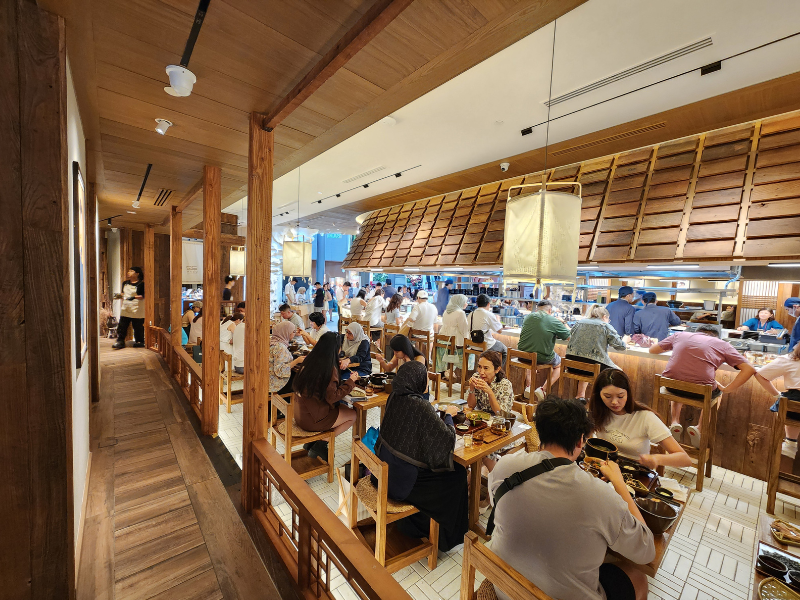
The design pays homage to the classic hanok (traditional Korean house) aesthetic with its warm timber and textured hanji (traditional handmade paper) panels, yet the central horseshoe counter and modern furniture shift the energy toward a sophisticated, contemporary experience. Make a request to be ensconced in one of the rooms: the floor is heavily congested, and with waiters scurrying back and forth with heavy pots of hot soup, a scalding accident is waiting to happen. Plus, if the clinkety-clank of the central kitchen does not drown out your conversations, your boisterous neighbours sitting at arm’s length most likely will. The rooms simply offer more breathing space, though the puzzling choice of EDM music negates any real peace and quiet.
Modu’s classic Hanbang Samgyetang (RM52) features organic young chicken, its cavity filled with the quintessential medicinal herbs in addition to chestnut and gingko. The resulting broth is clean, mild and unseasoned (as traditionally prepared so diners can adjust to taste themselves), with a gochujang-based sauce and dipping salt on the side. Crisp cubes of radish kimchi, a leafy herb salad and a bowl of glutinous rice complete the set. All the elements are refillable and, yes, that includes the broth, which is said to have been gently simmered for 12 hours. Each serving is on the larger side, making it perfect for two small eaters to share.
2.png
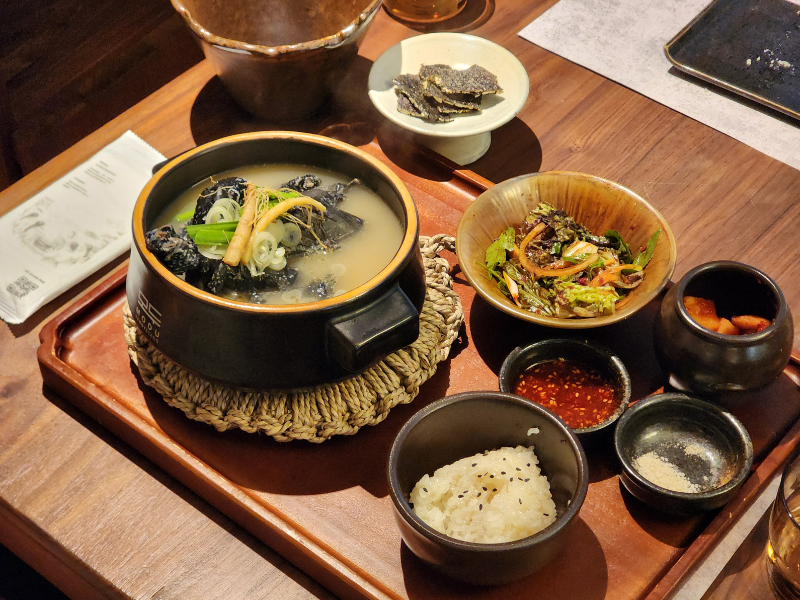
The same trimmings are applied to the coveted Black Chicken Samgyetang (RM64), touted to entail twice as many antioxidants as compared to its regular counterpart with leaner meat and a denser texture. Slow cooking ensures the flesh remains tender and falls off the bone.
Those who prefer a thicker and creamier broth can opt for the Perilla Seed — a potent antioxidant known for its digestive benefits — or Black Sesame Samgyetang (RM58), which endows the dish with a nuttier and deeper flavour profile. Black sesame is a nutrient-rich powerhouse that contributes to improved heart health and, if you did not know, can also promote hair growth and reduce greying. Leaning into beauty and wellness, there is also a Collagen Samgyetang (RM56) souped up with additional herbs for radiant skin. A spicy option is available too for diners who crave added heat.
Other sharable dishes, such as salads and Korean pancakes, are also listed on the menu, though we suggest giving the unmemorable plates a pass. What we do want to try, however, are the handmade noodles. Perhaps in a month or two, after the hype dies down.
3.png
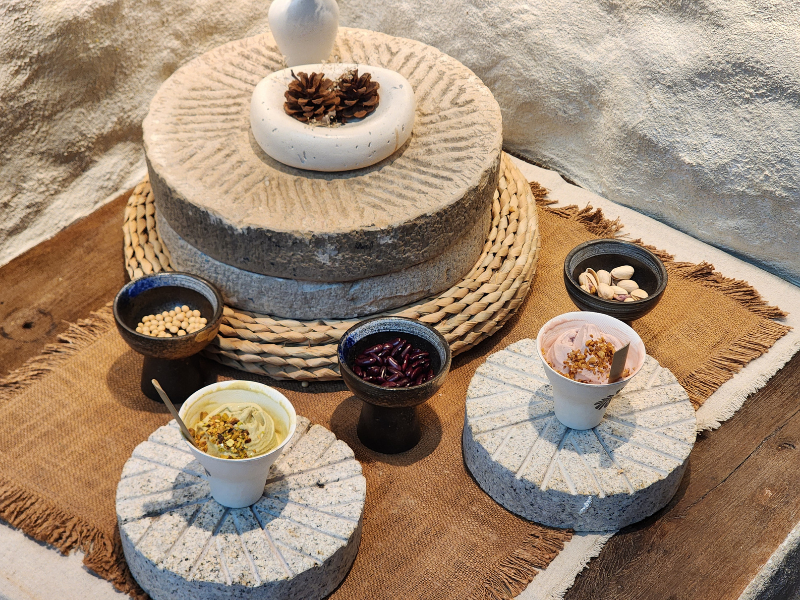
Tofu G next door offers a post-meal sweet treat in the form of tofu gelato, churned on site with soy milk. It is no trip to Rome (flavour is traded for a low-fat fix) but it is a respectable option to satisfying a craving.
For those embracing a resolution of self-care and intentional dining, Modu deserves a permanent spot in your culinary rotation. Its restorative menu is particularly well-suited for family gatherings with health-conscious elders. And while the cuisine is designed to combat heat, we reckon it tastes best as a soulful refuge from a cold misty rain.
Lot L2T.04.0, Level 2, The Exchange TRX, Persiaran TRX, Imbi, Kuala Lumpur. Daily, 11am to 11pm.
This article first appeared on Jan 12, 2026 in The Edge Malaysia.