
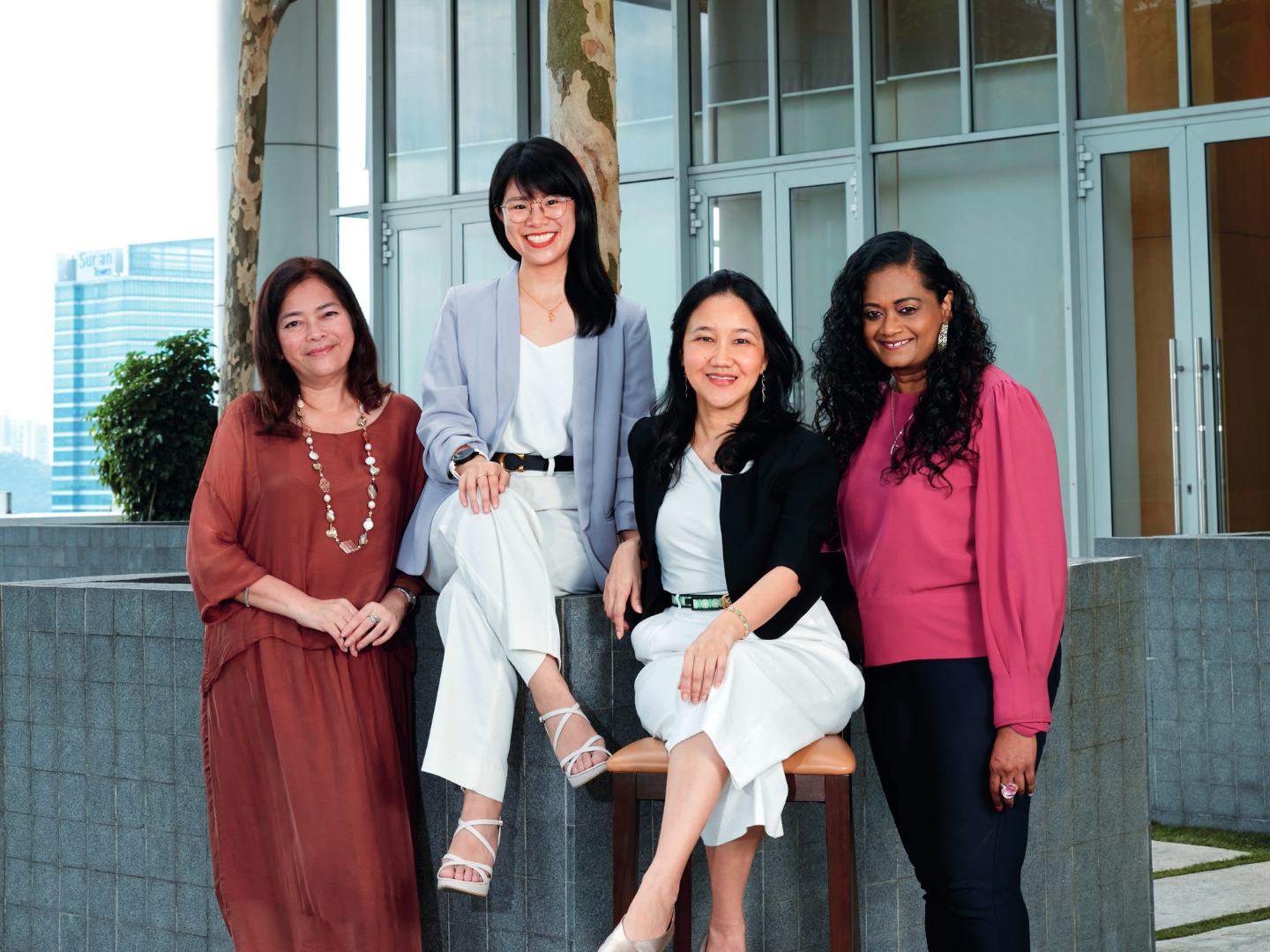
From left: Chempaka Emalin Pahamin, Jasmine Wong, Adlyn Adam Teoh and Glorene Das (Photo: SooPhye)
Blending leadership, law and lived experience, four trailblazers transform personal challenges into powerful advocacy. In conjunction with International Women’s Day, and the theme of ‘Give to Gain’, they share their experiences of breaking the glass ceiling and giving back to the community.
Honorary associate, World Association of Girl Guides and Girl Scouts
1.png
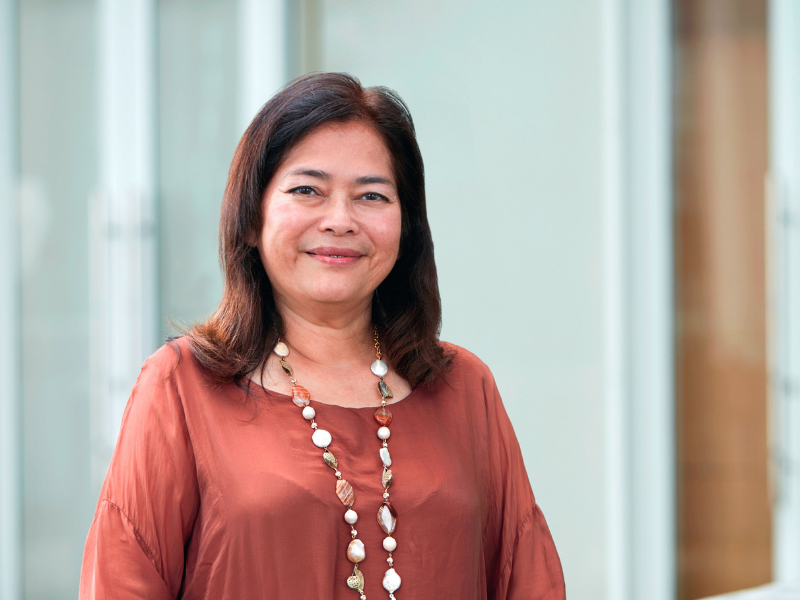
Tying knots, pitching tents and singing songs around the campfire may be the first images that come to mind when one thinks of the Girl Guides — those traditions still endure.
“We still do those things, and enjoy doing them,” says Chempaka Emalin Pahamin.
But as the seasoned member points out, such activities are only the surface of something far more powerful.
At its core, the Girl Guides movement was born of resistance. In 1909, a group of girls gatecrashed a Scout rally in London after being told scouting was only for boys — it was an act that sparked a global movement rooted in leadership, resilience and civic responsibility. More than a century later, that spark still burns.
Chempaka’s journey began at six, when her family was living in the US while her father [prominent businessman, the late Datuk Pahamin Rajab] pursued his master’s degree. With both parents involved in Scouts and Guides, joining was inevitable; staying was her choice.
“Even from the very beginning, I felt this was it for me,” she recalls.
2.png
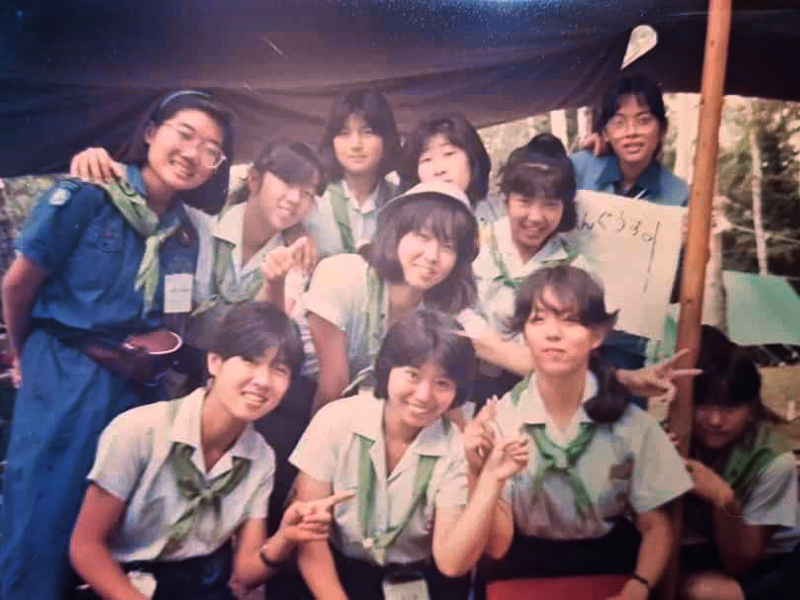
Despite frequent relocations due to her father’s civil service postings, academic pursuits and later, raising her own family, Chempaka remained deeply committed to the organisation. Mentorship from teachers and commissioners — including Hanim Ahmad, the late Nik Faizah Mustapha and Jeyadhevi Subramaniam — shaped her path into one that was increasingly multifaceted.
With a background in law, Chempaka helped formalise the Girl Guides Association of Malaysia’s (GGAM) constitution, and eventually served as legal adviser. From there, she worked towards becoming a trainer and facilitator, holding positions across national-level committees within GGAM such as the Executive Board and Trainers Council. Ultimately, she was appointed Asia-Pacific Regional Committee chair in 2022 — and stepped down last year.
Yet, titles are not what define her tenure.
Her fondest memories trace back to girlhood — discovering new skills and earning badges. There was a syllabus for everything: core competencies such as sewing, cooking and writing, alongside niche pursuits such as birdwatching and gadget-building. For her, that rhythm of challenge and reward instilled confidence and drive that endured well beyond adolescence.
As she grew older, she began to channel that energy into mentoring younger Girl Guides.
“At that age, they may not know what they like yet. So, it is important to expose them to as many experiences as possible,” she explains, emphasising that formal education supplemented with soft skills is a proven formula for a well-rounded character and outstanding leadership.
Under the broader mission of the World Association of Girl Guides and Girl Scouts, the aim is to ensure every girl has a voice and the opportunity to lead — far from mere purple prose. The impact is tangible: rising membership and stronger youth representation in governance at both national and international levels.
3.png
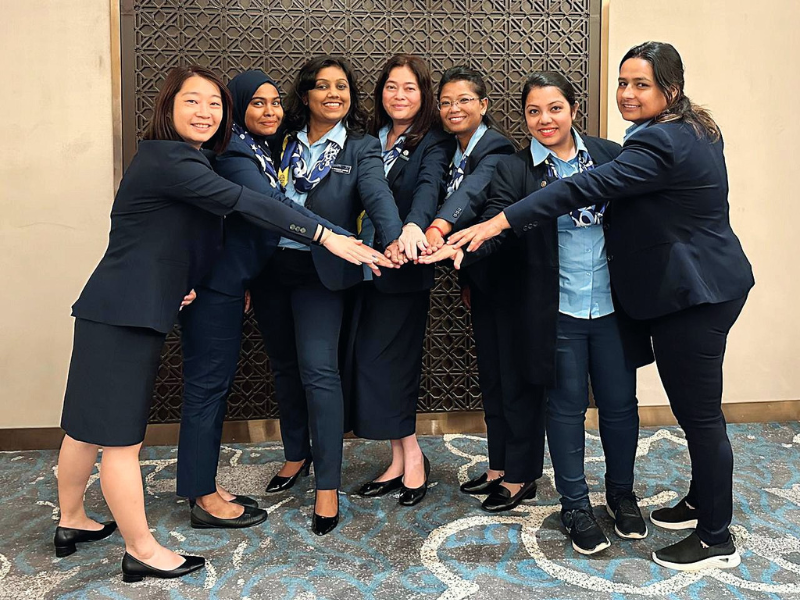
For Chempaka, however, success is not measured by how many girls remain Guides.
“When they venture into life, it doesn’t matter whether they give back to Girl Guiding,” she says. “What matters is who they become, and how they use the skills and experiences they’ve gained — that gives us happiness and satisfaction.”
As each member charts her own path, Chempaka believes the beauty lies in that flexibility. A Girl Guide can use the tools she is given in any direction — advocacy, governance, education, even communications. There is no single mould.
By offering girls a safe space to grow and the encouragement to discover their potential, the organisation continues to ignite the next generation. Chempaka has both inherited and extended that legacy — proof that while empowerment may begin with a badge, it certainly does not end there.
President, Association of Women Lawyers
10.png
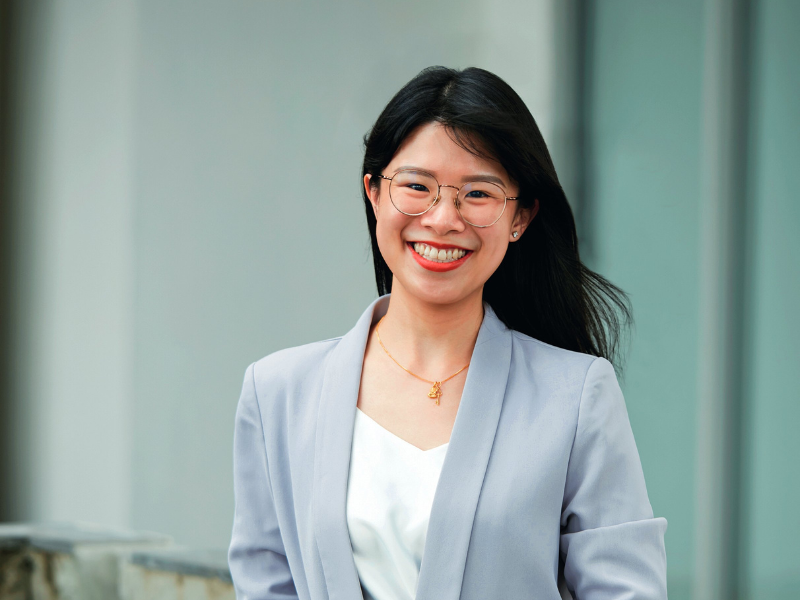
Five years ago, Jasmine Wong measured success the conventional way: partnership, major clients and professional recognition underscored stability and growth in work. The decorated lawyer recently reached a milestone when she was recognised as In-House Woman Lawyer of the Year at the 2025 Asian Legal Business Malaysia Law Awards.
Wong describes her career in two defining periods. The first phase was spent in practice. She began as a dispute resolution lawyer in civil litigation before moving to general litigation, where she focused on citizenship and intergenerational statelessness. Representing individuals seeking recognition as Malaysians — many of them women and children — exposed her to the human cost of legislative gaps. Without a blue identity card, one cannot enrol in school, travel freely or access essential services such as healthcare.
The second phase is marked by her current role as in-house legal counsel. Transitioning from private practice, Wong now advises on commercial and corporate matters. The shift required her to recalibrate her approach to law — reshaping both her understanding of achievement and her approach to of advocacy.
Wong’s affiliation with the Association of Women Lawyers (AWL) began after she discovered the organisation online. Then a junior lawyer, she was both intimidated and intrigued by the idea of a community of women lawyers who came together with a purpose.
Encouraged by senior members, she stepped forward to take on leadership roles. “They taught me to think from the perspective of others and how each decision affects many layers in a community,” she says.
Wong has been serving as president since last year.
11.png
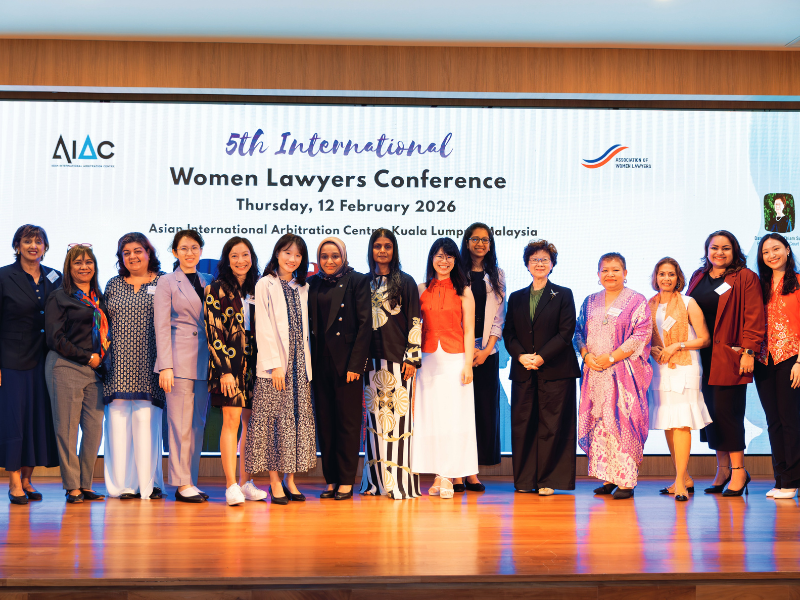
Founded to advance the welfare, professional growth and solidarity of women in the legal profession, the nonprofit initially focused on students and those in practice. Its scope has since widened to include women who have moved into other industries — such as technology and artificial intelligence — recognising that their legal training remains a powerful asset.
Beyond professional development, AWL also works to reform public policy and advocate for regulations that promote equality.
Among its key achievements is its role in advocating for the Anti-Sexual Harassment Act, passed in 2022, which led to the establishment of a tribunal in 2024 — providing complainants with a faster, more affordable path to justice. The organisation also launched a peer support network of volunteer lawyers trained to guide complainants with empathy and sensitivity.
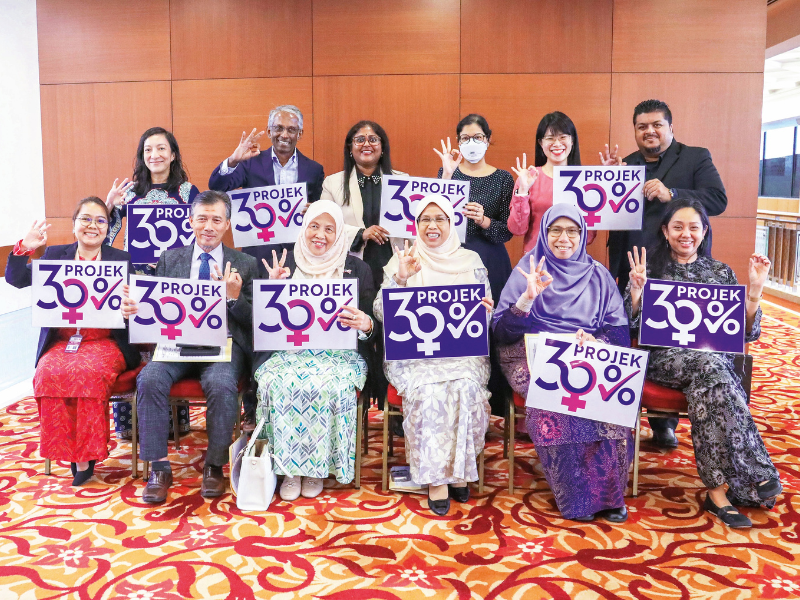
Another initiative, Projek30%, calls for greater female representation in politics — from increasing the number of candidates to pushing for electoral law reform. At the same time, it seeks to challenge the unconscious biases and entrenched mindsets that persist even within leadership circles.
12.png
On a personal front, Wong assisted in a landmark case involving an abandoned child affected by statelessness. When the matter reached the Federal Court, it set a precedent for how authorities should treat foundlings and welfare cases.
Reform is complex — procedural steps and tiers of consent result in slow progress. But Wong is in it for the long haul. Crossing the finish line, she believes, is more of a relay than a sprint. “Like passing the baton, being part of the process is enough, as long as I’m still able to make a change,” she says.
As Wong aspires to drive AWL towards achieving the collective’s ambitions, she remains true to her cause of constantly figuring out more ways to create impact and support other women, especially in addressing the structural inequalities that remain embedded in the system.
“When I advocate for these women, I am not just doing it for strangers,” she reflects. “I am fighting for a future in which I myself could benefit from every policy I push for.”
Executive director, Tenaganita
7.png
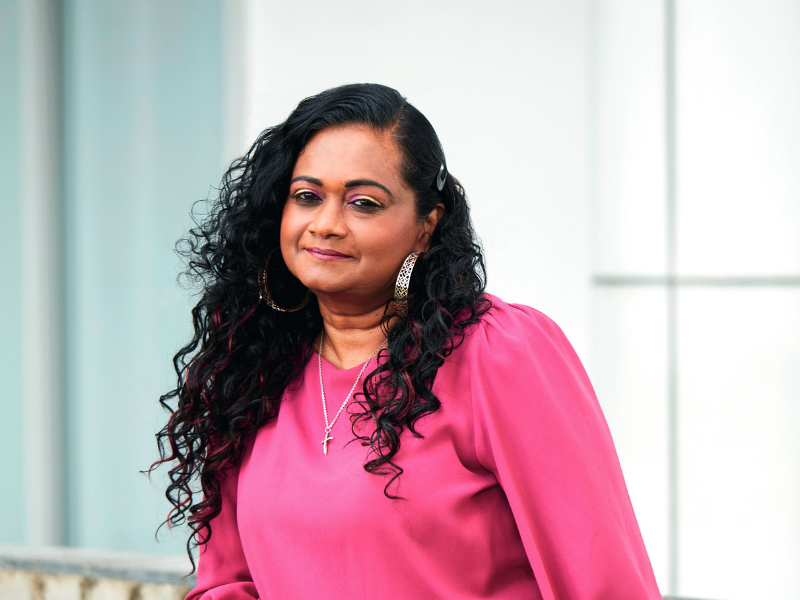
“I didn’t go in to lead the organisation,” Glorene Das says matter-of-factly. “I grew into it.”
She admits that when she joined human rights nonprofit Tenaganita in 1999, she knew “absolutely nothing about human rights”. Her academic grounding in the humanities and gender studies gave her the skills to articulate inequality and gendered systems — but it did not prepare her for the realities she was about to face.
Coming from a corporate environment, she spent her first few months at the organisation reading about laws, conventions and terminology. She recalls her first visit to the headquarters, where migrant workers were waiting to be assisted. Dressed in full office attire, she drew curious stares.
“I felt like they were looking at me as if I were a piece of cake,” she says with a laugh.
At the time, she felt out of place and questioned herself. Gradually, she realised it was not because she lacked empathy but that empowerment had to be experienced, shared and truly understood.
“I learnt that my understanding did not come from theory; it came from listening,” Das says.
9.png
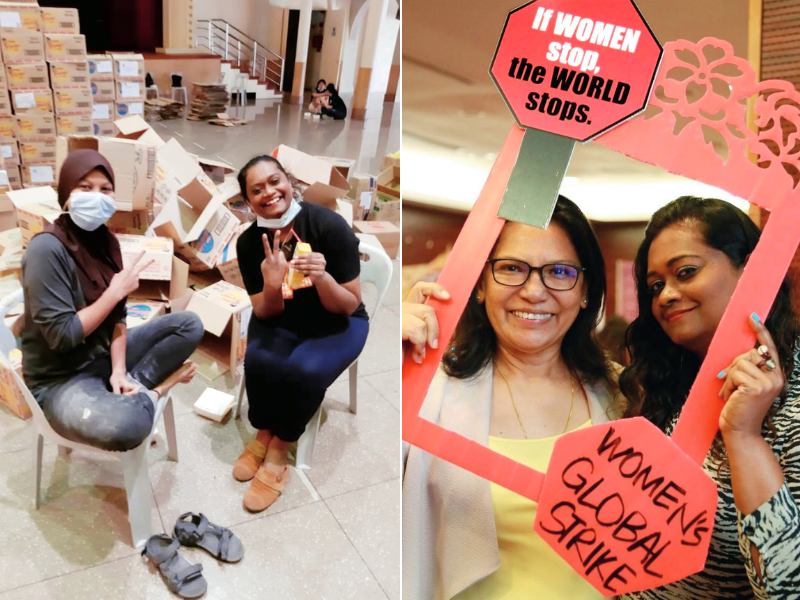
Through an introduction by her brother, who worked in a similar field, Das met Irene Fernandez, late co-founder of Tenaganita, and her sister Aegile, co-founder and director. Das’ role as case officer and campaign coordinator soon evolved into full immersion with minority communities.
Hands-on training gave her the opportunity to learn to interpret laws and document cases meticulously. She collaborated with lawyers to develop intervention strategies, drafted memorandums, filed court cases and conducted participatory action research alongside the victims.
Over time, she progressed to the board of directors, then programme director and, eventually, executive director. At one point, she had planned to leave for Geneva, Switzerland, but when Irene fell ill, Das decided to stay.
“I often say I did not choose this work; rather, the communities chose me,” she says.
They include plantation and migrant workers, refugees and stateless individuals — women who leave home to support families across borders, shouldering not only economic burdens but emotional labour as well.
“It is not that they are weak,” Das says. “They just lack the strength and the space.”
Though Tenaganita’s work is service-oriented, it is rooted in structural change. The organisation runs a 24-hour hotline, responds to crisis calls, resolves labour conflicts and provides shelter for survivors of abuse and trafficking. Beyond immediate response, it contributes to policy reform, advocates for victim-centric laws and develops multilingual manuals so that communities can access information in languages they understand. Its centres in Petaling Jaya and Penang serve as both sanctuary and strategy hubs.
Still, Das resists defining impact purely by statistics.
“Measurable impact is not just about numbers,” she says. “It’s when a traumatised survivor stands up again and chooses to live.”
8.png
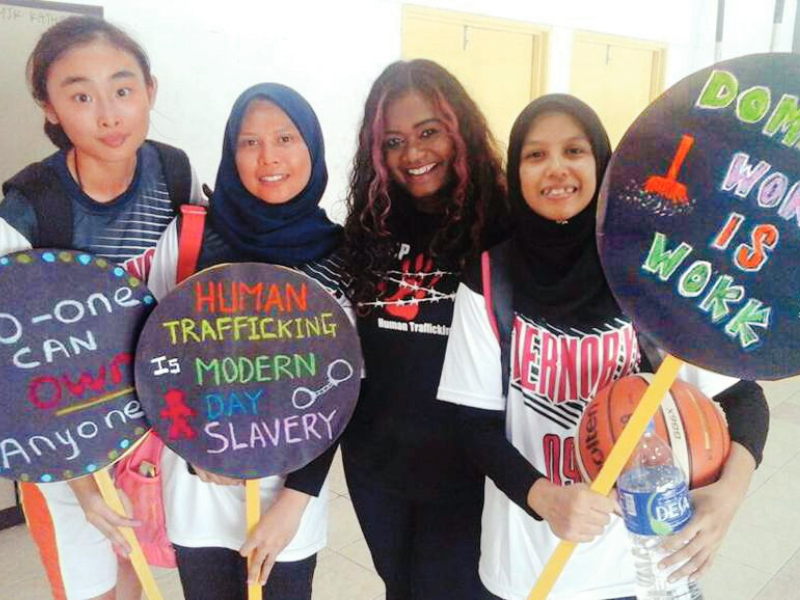
Looking ahead, the work is expanding into broader avenues. Efforts focus on shifting from reactive responses to harm towards building structures that proactively protect vulnerable communities. This begins with strengthening community-based interventions, empowering individuals to seek assistance without fear, cost or legal barriers.
Tenaganita is also working to implement trauma-informed care frameworks more systematically, including within government agencies, where collaboration often occurs at higher levels but has yet to fully reach frontline enforcement.
There are also plans to expand gender-based violence initiatives, reaching not only migrant and refugee populations but also Malaysia’s B40 communities. Other efforts include forming male ally groups and engaging mothers as key partners in shaping the next generation.
For Das, empowerment is not about helping or serving. Through Tenaganita, she upholds a deep sense of responsibility, addressing urgent needs with patience while standing alongside those most affected.
President, Family Frontiers
4.png
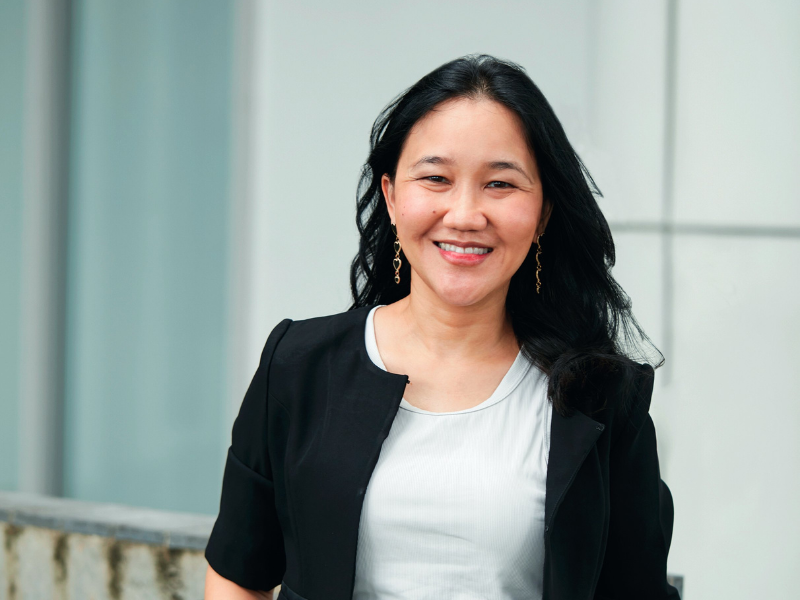
Adlyn Adam Teoh has worn many hats throughout her career. She has worked in cybersecurity and business transformation, managed supply chains for a medical technology company, and even run a small culinary tourism business in Beijing. Today, she works in finance at an international bank. Advocacy, she says, was never part of her plan.
Her journey into the fight for gender-equal nationality laws did not begin in a courtroom or policy forum, but at home with the birth of her child. When she discovered that her son was born stateless, her first reaction was self-blame.
“The problem with systemic issues is that we tend to blame ourselves,” Teoh says. “Little do we know that what we are up against is this imposing, towering wall of injustice.”
Malaysia’s Federal Constitution guarantees equality under Article 8(2), which prohibits gender discrimination. Yet, in practice, children born overseas to Malaysian fathers with foreign spouses automatically receive citizenship, while those born to Malaysian mothers with foreign husbands must navigate an application process that historically offered no assurance of approval.
“When people think of statelessness, they often imagine distant refugee camps or marginalised communities,” Teoh notes. Rarely is the “forgotten group” envisioned — the middle-class family living next door. In reality, our country is home to many binational families across all social strata and, for years, Malaysian mothers married to foreign spouses faced uncertainty over their children’s nationality.
“It was then I realised that the personal is political,” Teoh reflects.
5.png
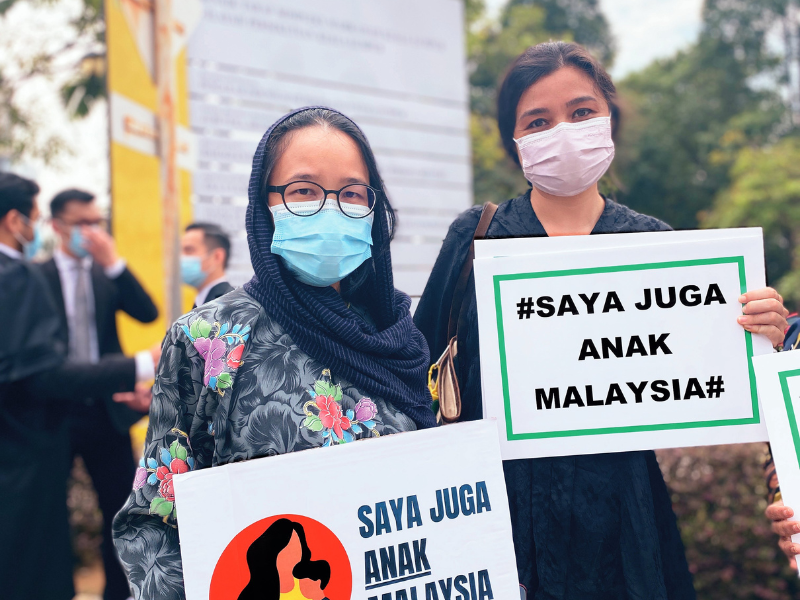
Teoh’s introduction to Family Frontiers came through a Facebook survey seeking women affected by citizenship laws. Originally founded as a support group for foreign spouses, the organisation expanded in 2018 to advocate for Malaysian mothers unable to confer citizenship automatically to their overseas-born children.
In 2020, Teoh became one of the plaintiffs in a landmark strategic litigation challenging these discriminatory provisions. A year later, she joined the executive committee and, in 2024, she assumed the role of president of the organisation.
Over the course of a decade, Teoh evolved from affected mother to public advocate, often serving as Family Frontiers’ media spokeswoman. She discovered that courage is contagious, seen in how more women were inspired to speak out.
Yet, the weight of the matter extends beyond individual families. Nationality shapes the core of people’s lives — their sense of belonging, access and opportunity — with basic rights such as education, healthcare and career prospects determined by paper. Malaysia’s retention of talent is similarly affected, as restrictive citizenship laws contribute to brain drain. Recent reports highlight the ongoing outflow of skilled professionals as families relocate permanently in search of greater security and opportunity.
6.png
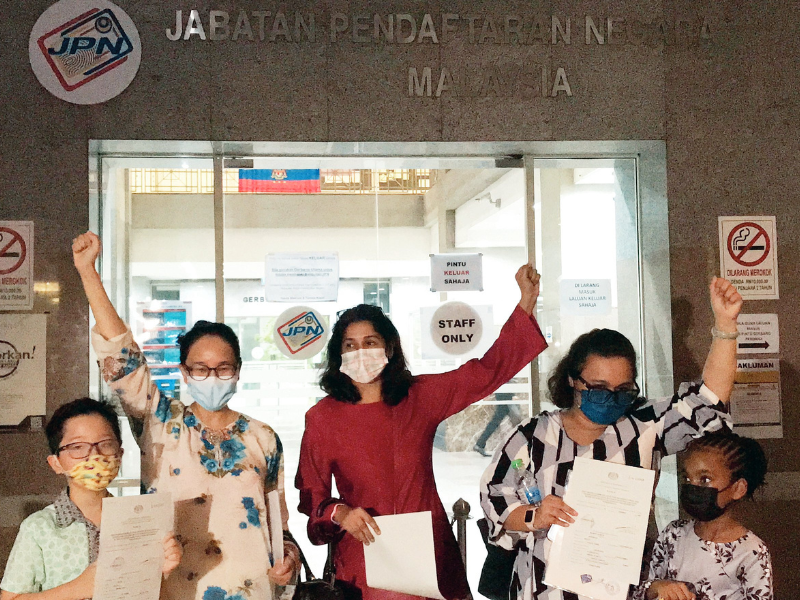
Ten long years of constant pressure culminated in triumph when Teoh’s son finally received his Malaysian citizenship. The victory was amplified by a constitutional amendment that moved Malaysia closer to gender-equal nationality rights. By mid-2026, children born abroad to Malaysian mothers with foreign spouses will be granted automatic citizenship.
More than just paperwork, Teoh asserts that the plight is important not only for the future of children but also the country. She urges overseas mothers to exercise their rights and push forward with their appeals.
“There is no better time to submit your application than today. I cannot stress how important it is because we do not know when and how things will change,” she says.
While progress has been made, Family Frontiers’ work is far from over. The organisation is now focusing on those who were not given a fair opportunity under the previous system, particularly children who have “aged out” during years of legal limbo. It continues to monitor citizenship backlogs and advocate for transparent, timely processes.
Teoh compares the issue to opening Pandora’s box. Despite it all, she remains positive about real change. “To see that there are so many Malaysians trying to make our home a better place is incredibly touching. Nobody should be left out or left behind.”
This article first appeared on March 9, 2026 in The Edge Malaysia.