
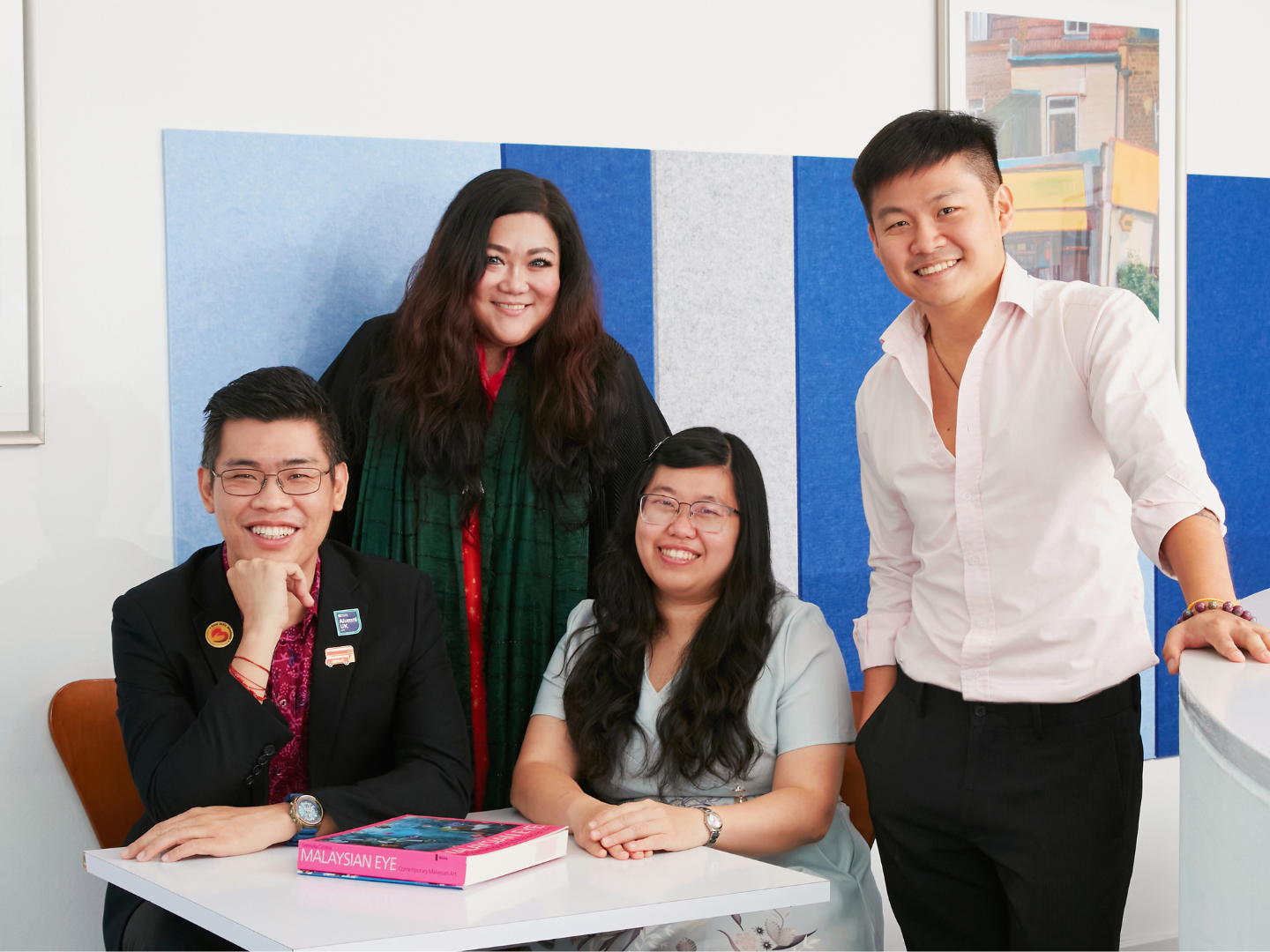
The four Malaysians are all graduates from English universities and have pushed boundaries to bring Malaysia into the future (Photo: Soophye)
Conducted by the British Council, the Study UK Alumni Awards recognise graduates from British universities who push boundaries and drive progress. Meet this year’s winners, whose recent achievements help make Malaysia a better place.
CEO, Precision Diagnostics
Business and Innovation Award
1.png
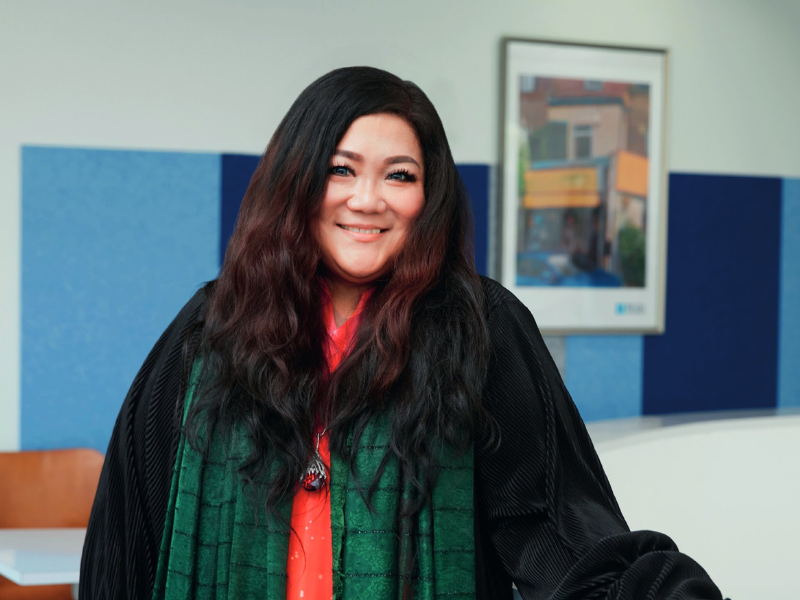
It is a bittersweet truth that great achievements often stem from pain and loss. For Dr Rebecca Tay Sook Hui, founder and CEO of Precision Diagnostics, that statement certainly holds true. “My mother was only in her 30s when she passed away from colon cancer. We lost her shortly after she underwent chemotherapy, which caused her to vomit blood. She was not only my mother but also my best friend. When she died, I didn’t just lose a parent but my safest space, too.”
When life knocks you down, it is normal to wonder what could have been done differently. In the wake of her grief, the young Tay found herself deep down this rabbit hole. The treatment her mother was prescribed had not done its promised job — so what could have? These ruminations steered her towards science and research, eventually leading to a double PhD in pharmacy and molecular medicine at the University of Nottingham and Universiti Putra Malaysia. Throughout her journey, her passion lay in pharmacogenomics — the study of how one’s unique genetic make-up affects one’s response to medications.
But fate struck another cruel blow. In 2019, Tay’s family experienced an all-too-familiar despair when her stepmother was diagnosed with Stage 4 lung cancer. But, now, Tay was not just a daughter but also a medical scientist. She describes the feeling that came after the initial shock as “a wave of clarity” — an understanding that she had the knowledge to give her loved one a true fighting chance.
Working closely with her stepmother’s oncologist, Tay and her team were able to utilise pharmacogenomics and nutrigenomics to tailor treatment and dietary plans to tackle the disease while boosting strength and immunity. A sound plan was doubly important because of her stepmother’s history of food and drug sensitivity (“Even tau fu fah [soybean curd] can cause her to swell all over!”). The fight was gruelling but, gradually, the bleak situation began to look hopeful. A light shone at the end of the tunnel. Now, in her 70s, her stepmother has remained in remission and lives a full and healthy life more than five years after diagnosis.
2.png
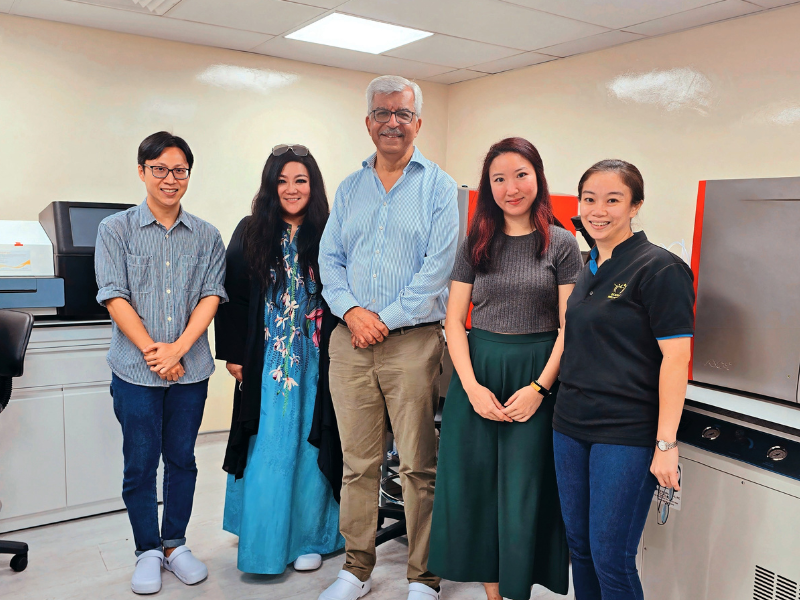
Medications, be it over-the-counter painkillers or potent oncology drugs, are not a one-size-fits-all solution. Still, most people lack the knowledge to understand packaging labels and side-effect disclaimer sheets — and that is if we even take the time to read them. If we are told, especially by a trusted healthcare professional, that something can resolve illness and works for a large fraction of the population, we take it, no questions asked. This blind faith can have detrimental effects, with common names such as the Warfarin anti-coagulant and Codeine painkillers having severe and even life-threatening consequences when prescribed to the wrong patient.
This is where Precision Diagnostics comes in. Like an allergy test, it uses blood samples or buccal swabs to screen for gene variants incompatible with certain drugs. Done before prescription, the panel allows practitioners to construct safer, efficient treatment plans with higher success rates. Most importantly, it eliminates trial and error, easily avoiding adverse reactions.
Tay is now on a mission to take this life-saving service nationwide. Through collaboration with educational institutions such as the National University of Singapore, University of Oxford and University of Liverpool, as well as the Malaysian Ministry of Health, she and her team are working to strengthen clinical competency among doctors and providers looking to incorporate pharmacogenomics into routine care and shaping policies to standardise testing and lab standards as it is adopted across the country. “We are very blessed in this regard because our Minister of Health Datuk Seri Dr Dzulkefly Ahmad was exposed to pharmacogenomics during his time at Imperial College. He has been a key player in helping us drive it to a national level,” says Tay.
3.png
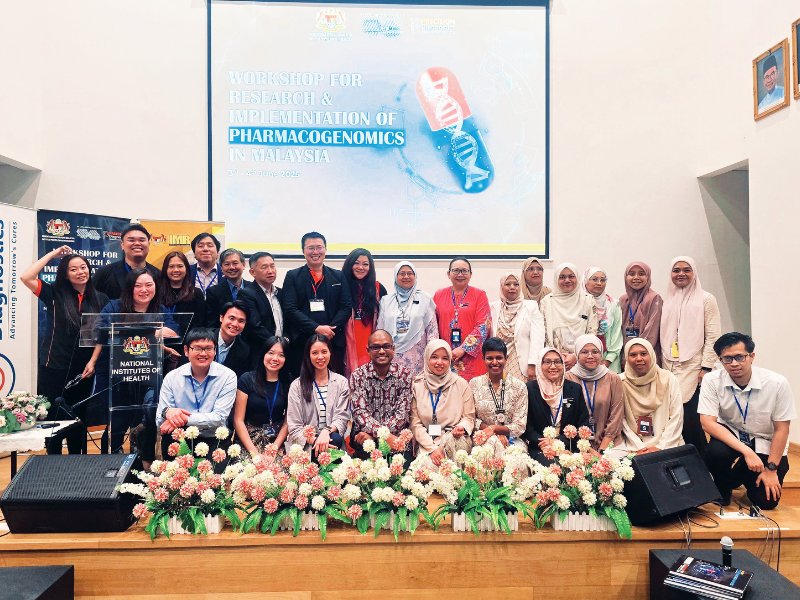
These efforts come at a time when an increasingly health-conscious (and anxious) society is prioritising streamlined, accessible healthcare. Those outside the medical field may be unaware of this test unless it is recommended by their practitioner. By subsuming it into the prescription procedure, it becomes a rule that benefits all rather than a luxury tapped by only those with existing knowledge and connections. Tay affirms that this will also eventually lead to friendlier price tags — which are already rather affordable and worthwhile, as the results last a lifetime, she adds — incentivising more people to take the initiative and turn pharmacogenomics into a form of preventative care.
An award such as the one presented by the British Council is the latest — but most certainly not the last — accreditation that will further legitimise pharmacogenomics in the public eye. Tay elaborates on the advantages best: “When testing is supported at the national and institutional level, costs decrease and reach expands. Adverse drug effects and treatment failures lead to more recurring hospital admissions. Implemented strategically, pharmacogenomics and precision medicine reduce long-term healthcare costs. It’s for the well-being of everyone, not just a few. That’s why our tagline is ‘Advancing tomorrow’s cures’.”
Lecturer, Multimedia University
Culture, Creativity and Sport Award
4.png
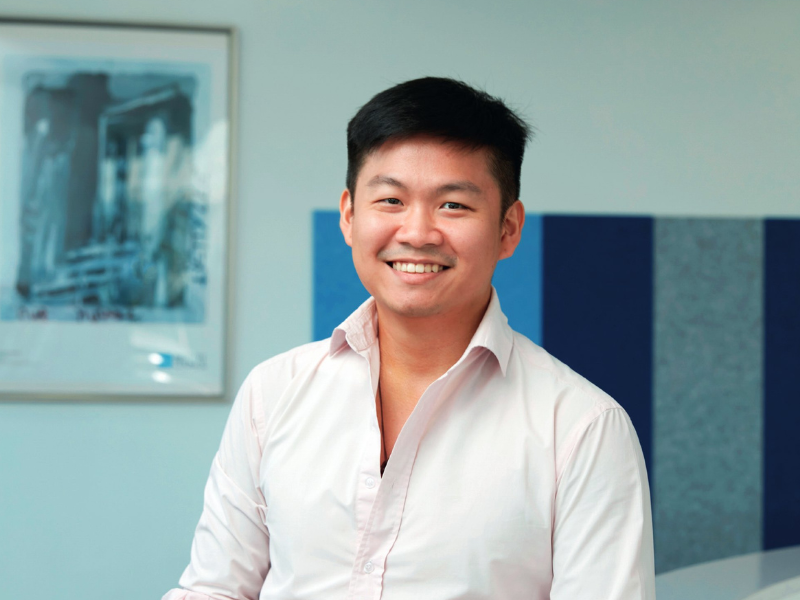
It was in a cramped partitioned apartment in Abu Dhabi that filmmaker and screenwriter Matthew Tan Yi Jian first envisioned the idea that would eventually become his most recognised work yet.
The small living quarters, comprising four rooms each divided into three snug compartments, were shared by 12 people, including Tan, who was working at New York University Abu Dhabi after completing a training course in film and philosophy. In this apartment, he noticed how each person — many of whom were Southeast Asian migrant workers — had vastly different lives and schedules. Some worked night shifts, returning home only in the hours before dawn, while others had regular 9-to-5 jobs. Despite the tight proximity and crowded urban surroundings, tenants rarely saw one another throughout the day, bonding only during the short periods when they happened to be in the same communal areas, such as the kitchen.
The eight months Tan spent in that apartment were not born from an intention to make a film, but merely to save money. However, the unique circumstances — unlikely to be encountered back home in Malaysia or while studying in the West — piqued his interest. “I had so many questions about the migrant experience of the people I was living with and became really interested in the way space shapes a sense of time and belonging,” he says.
Spatial constraints made a traditional tripod and camera set-up impossible. Needing to adjust his method accordingly while also wanting to depict how the surrounding humble furnishings and surfaces affected the physical and mental states, Tan decided to record all his footage on the phone, propping it up against furniture and the floor. “You not only see non-human agency at work in terms of how objects and cramped confines affect the human body and lives, but also how the space itself was co-creating the cinematography,” he explains.
6.png
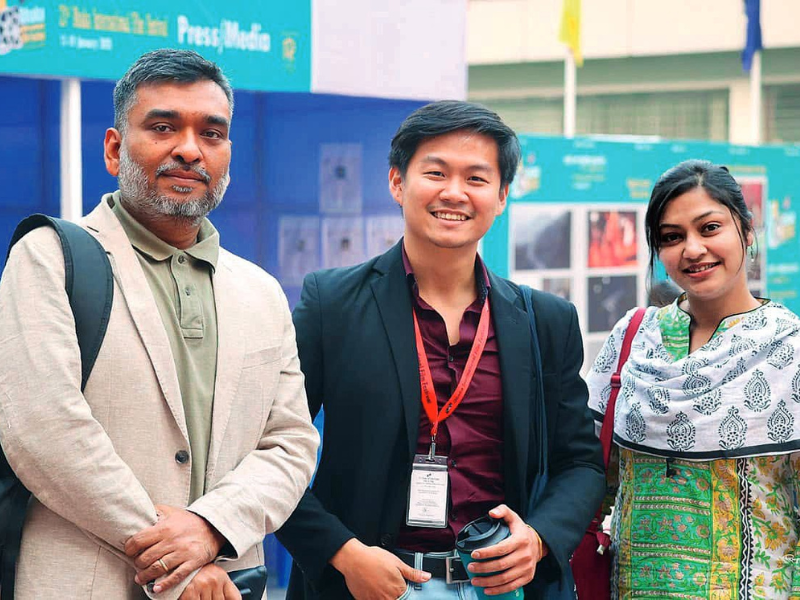
The final film, titled Partition, drew viewers into the spaces on screen and made them feel like they were there alongside the tenants in the tiny space. In that humble abode, each person’s worries, dreams and resilience took centre stage. The piece went on to receive a nomination for Best Documentary Film at the British Film Institute’s Future Film Festival 2025.
Passionate about how movies function as a medium to communicate ideas and concepts that the spoken word cannot, Tan went on to pursue a master’s degree in film aesthetics at the University of Oxford. There, he learnt the language to link philosophy and film, a skill that had intrigued him since he began watching motion pictures intently as a teen. “I’ve always been really into movies that offer a sense of intimacy. They give you a window into different worlds that make you feel the human condition.
“As a filmmaker, your writing is like a piece of wisdom you give to the audience — something they wouldn’t necessarily expect but which speaks to them as part of a bigger theme or philosophical truth that prompts realisations about life and their environment.”
This approach — foregrounded by digging deep and expressing oneself’s vulnerably in art — is one he brings into the classroom at Multimedia University, where he guides final-year project students, particularly in the research aspect of their work. Guiding a younger generation of creatives in understanding the art they consume and make is the key to growing a more robust and daring local scene.
5.png

Despite Malaysia’s passionate indie creative community and its vibrant Southeast Asian narrative, local cinema has largely flown under the global radar, appreciated mostly by home-grown film buffs. Some may gripe about the lack of platforms and cite that as a reason the country’s productions have little prominence and success overseas. While visibility is not an inherent marker of excellence, many feel disheartened when local talent goes unappreciated.
While he agrees funding and censorship are issues that often hinder filmmakers, Tan seems to believe the ultimate obstacle is one’s own reluctance to create and do so candidly. He encourages all to embrace their most unfiltered and raw emotions, refine their storytelling and continue making pieces that resonate with viewers. An absence of shiny trophies should not stop the brilliant from excelling at what they do best. “We tend to shy away from showing the stuff we’re ashamed of — our insecurities, jealousy, pain. Art requires getting to know a deeper part of yourself. You do not need a platform to do this well.”
Head of the Department of Internal Medicine, Hospital Kepala Batas
Science and Sustainability Award
8.png
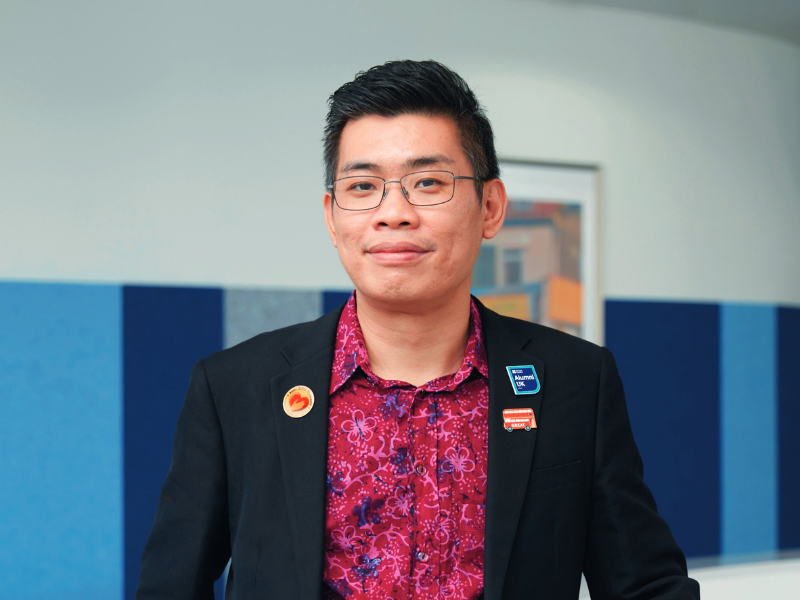
“I’m passionate about infectious disease and I am always waiting for it to come,” says Dr Hor Chee Peng, head of the Department of Internal Medicine at Hospital Kepala Batas. Though the statement may sound controversial, the winner of the British Council Science and Sustainability Award says this with the confidence of a medical practitioner who is always ready to face the most daunting tasks in the field.
“Healthcare is always associated with crises, whether it is infectious disease or noncommunicable disease. And it really pushes me to think and act accordingly. The impossible becomes possible when you are under pressure. Whether you are prepared to face a certain challenge or not, when the time comes, you just have to deal with it,” says Hor, 42.
Born in Bukit Mertajam, Penang, he originally wanted to study Chinese literature, history and culture. “I wanted to attend a university in Beijing, but my parents would have had to sell our house to fund my education,” he divulges.
His second choice was medicine. “Back in the day, the options were either teacher, doctor, engineer or pilot.” As luck would have it, he managed to secure a JPA scholarship to study medicine at the University of Galway in Ireland.
10.png
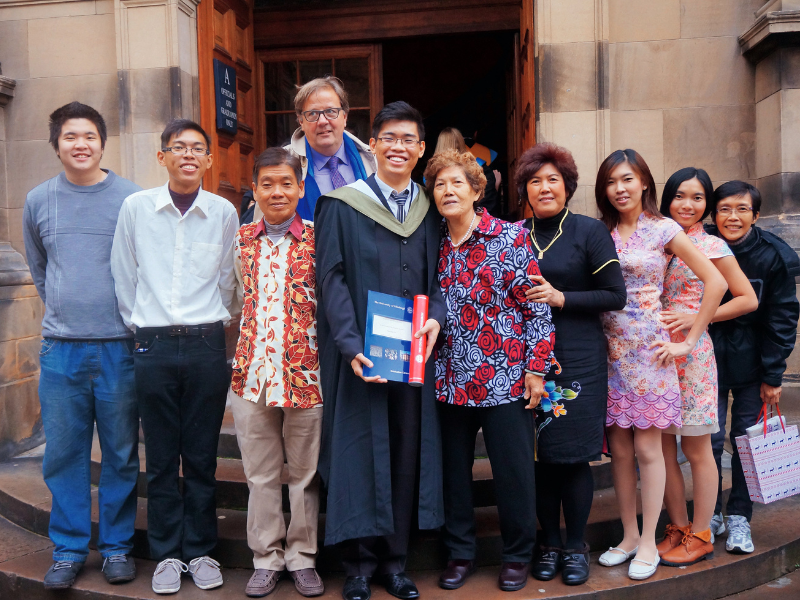
After graduating in 2009, Hor did his internship with the World Health Organisation in Geneva, Switzerland. He then returned to Malaysia to do his housemanship at the Universiti Kebangsaan Malaysia Medical Centre, now known as Hospital Canselor Tuanku Muhriz UKM, where he applied for a scholarship to pursue a master’s degree in science in global health and infectious diseases, an online distance education programme by The University of Edinburgh.
“I was trained as a clinician; so, my routine was guided by a set of procedures. I met patients, provided diagnoses and advised them on suitable treatment. The focus was largely based on the individual,” he recalls.
The three-year, research-based course opened his eyes to the complex world of health and medicine. “It allowed me to think beyond one patient, the hospital and even the ministry,” he says. Frequent interactions with classmates from around the world made him realise sustainable global healthcare can be achieved only when different countries come together to share strategies and resources.
Hor completed his master’s in 2014 while he was a junior medical officer at Hospital Kepala Batas. “After the programme, I finally got the chance to practise what I learnt.” His first major assignment was handling a rabies outbreak in northern Malaysia in 2015, where he acted as the coordinator.
Then, in 2021, he led the establishment of the country’s first field intensive care unit (ICU), working with the Angkatan Tentera Malaysia to set up more than 20 beds on the grounds of Hospital Kepala Batas to treat critical Covid-19 cases. As deputy director, he was entrusted with designing the structure of the temporary unit, which was ready for operations in just 72 hours.
“Despite being a small district hospital, we managed to increase capacity from 130 beds to more than 200 using various methods, one of which was the field ICU. We catered for people from northern Perak, southern Kedah and the whole of Penang, and were able to treat 12,000 patients over three years, with a low mortality rate of about 0.5%,” he says.
body_pics.png
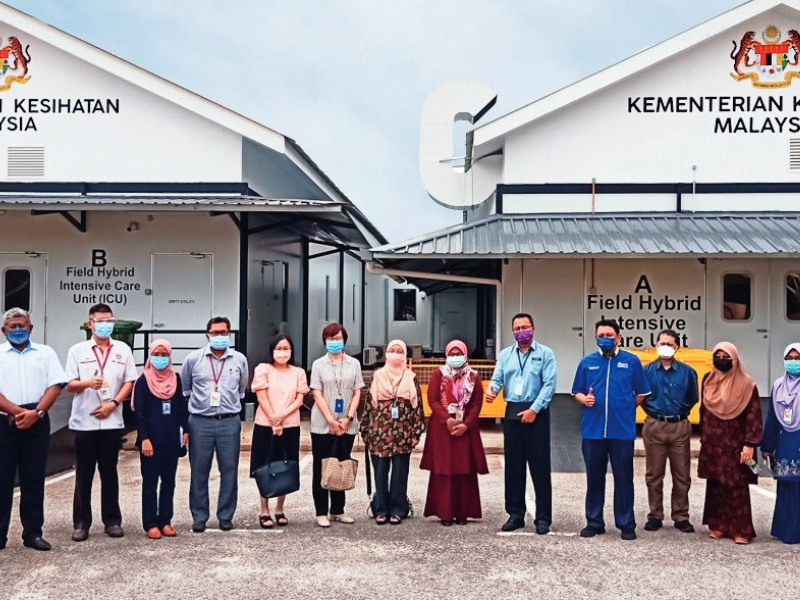
In his current role as head of the Department of Internal Medicine, Hor is responsible for guiding and shaping the future generation of medical professionals. “I’m not sure if I’m speaking for every mentor but when we teach, our only hope is for them to be better than us. We try to give as much knowledge as possible so they can go on to develop better insights or cures than what’s already available.”
Hor is pleased with the application of artificial intelligence (AI) in the healthcare system, which he says has positively streamlined administrative tasks, enhanced patient care and improved diagnostic accuracy. “AI is a good tool. We have to teach students how to use it properly and ethically. If we don’t keep up, we will lose out.”
He observes a lack of resilience and perseverance among younger practitioners and states instant gratification as a major contributing factor. “Learning is a journey. They get easily frustrated when they don’t understand something immediately. My job is to equip them with the tools they need to manoeuvre this path.”
A workaholic who is constantly driven by new findings and research, Hor admits to regularly devoting his weekends to his job. +So, what does he get up to outside of the hospital? “Apart from sleeping, I like to collect first day covers and stamps and I do a bit of NGO work, where I join a mobile health clinic to provide health screening tests for refugees and at-risk populations such as sex workers.”
At times, he retreats to tomes about Chinese culture and history, reconnecting with a childhood ambition he still hopes to fulfil. For the wise and curious, the learning truly never stops.
Lecturer, IPG Kampus Tuanku Bainun
Social Action Award
11.png
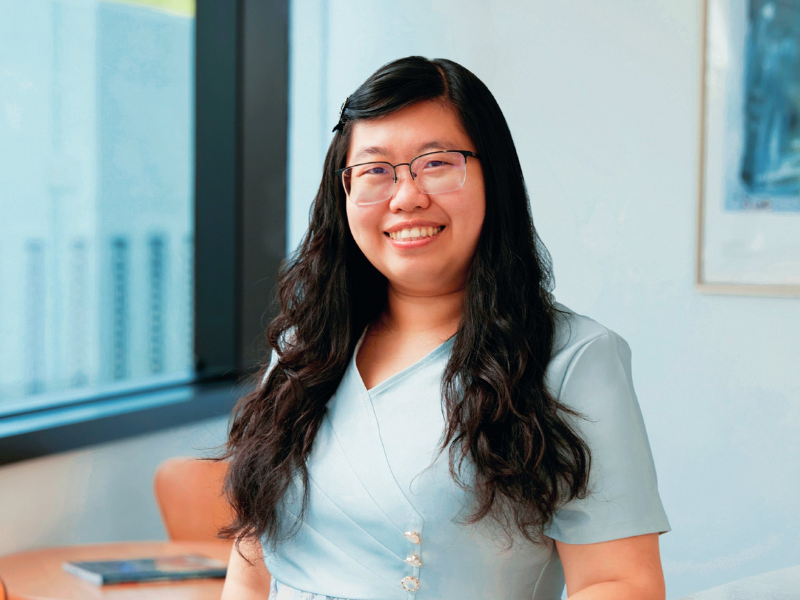
Born to teacher parents, Tan Shi Min, 38, recalls growing up in a house whose living room walls were used as whiteboards, every corner plastered with word charts. “I remember learning from my mum and dad how to set questions for exams or exercises, and I would use their school materials to teach my younger siblings how to read.”
Her childhood in Gurun — an agricultural hub in Kedah that had few entertainment centres — was shaped largely by her elders’ interests and profession. “I developed a passion for music and literature from a young age, which is quite unusual for people living in such a small town, and I have my mum to thank for that,” Tan says.
She was introduced to classical music and English authors including Jane Austen and the Brontë sisters, and harboured a dream to travel to European countries, especially the UK, to visit the landmarks mentioned in the novels.
Her path to becoming an educator was somewhat set, following in her parents’ footsteps. After completing high school, she moved all the way to Sabah to pursue Teaching English as a Second Language (TESL) at Institut Pendidikan Guru Kampus Gaya in Kota Kinabalu.
There, she became acquainted with the Rotary Club of Kota Kinabalu team — part of a global organisation founded in 1905 with the intention of gathering professionals with diverse backgrounds to exchange ideas and give back to their communities — who were coordinating a volunteering programme for children in Kampung Teringai Laut in Kota Marudu, a rural district in Sabah.
13.png
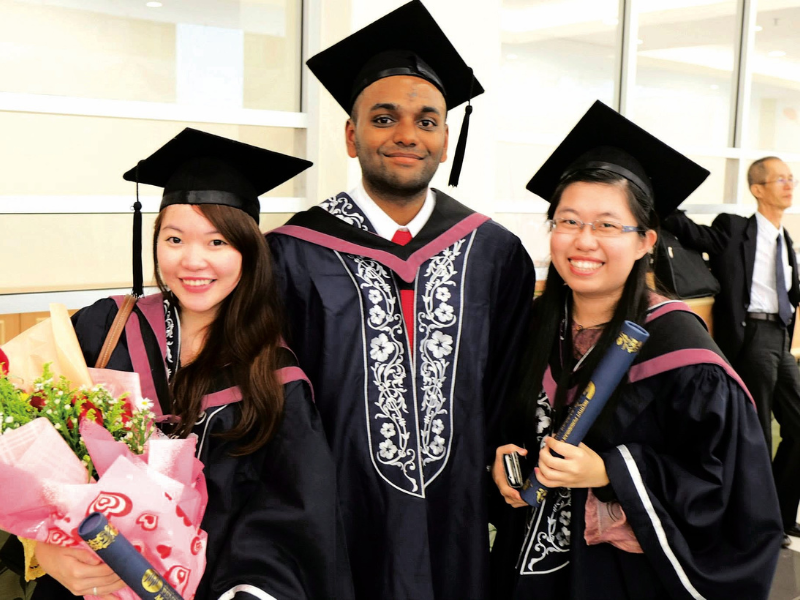
“Together with five friends, we taught the children English using songs and interactive games. On the last day, I asked the students to write their ambition on a piece of paper and turn it into a crane. We made ‘strings of ambitions’, which were then attached to the ceiling.
“One girl wanted to be a nurse. But I found out not long after that she got married at age 12. She stopped going to school, which meant her dream to become a nurse could never be fulfilled.”
The fact that many girls in the country are denied the opportunity to continue their education beyond primary school due to child marriage did not sit well with her.
When Tan finally made it to the UK for her bachelor’s degree, her priority shifted. During semester breaks, rather than touring the idyllic countryside where Austen’s novels were set, she devoted her time to a volunteering initiative with non-profit organisation UK Charisma, later rebranded as Charisma Movement. In her second year, she submitted a proposal to mobilise a two-week community service programme in Kampung Teringai Laut, Kota Marudu. Fourteen years later, the programme — now called Projek Anak Malaysia — is overseen by a group of passionate individuals, including Tan, as it seeks to reach more villages in the area.
12.png
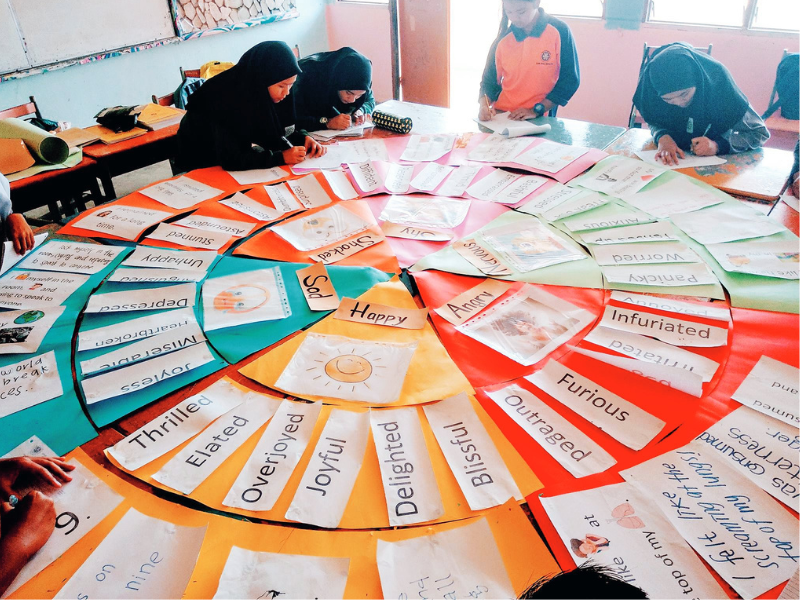
In 2015, Tan returned to Sabah to do her practicum, before moving back to her hometown in Kedah for the next nine years. She was posted to schools in rural areas, where she discovered those who were aiming to sit for the Malaysian Certificate of Education (SPM) could not even construct a complete sentence.
“They needed to write at least 200 words to pass the exam. It was very frustrating, but also an opportunity for me to explore new methods and innovations that could help my students,” she says.
In an effort to help them learn vocabulary more effectively, she developed the Wheel of Learning, a multi-layered graphic organiser that encourages pupils to explore synonyms, related figurative expressions and idioms based on a single word. Using this method, Tan engaged previously indifferent, non-literate pupils and sparked their interest in learning English.
“They overcame their fear of writing and I could see their confidence grow. In my fifth year, I managed to help some students obtain an A+ and increase the subject’s passing rate to 79%, the highest in the school’s record,” she says.
Now a lecturer at IPG Kampus Tuanku Bainun in Penang, Tan incorporates music into her teaching. She believes in the power of sound to stimulate the brain and ignite creativity. It is also the reason she chose to pursue her master’s in music education at University College London.
“I took piano lessons until Grade 8 and would accompany the church choir on piano. Back then, I probably studied music just to pass exams, but as I grew older, I realised what a great companion it has been to me. When I’m happy or sad, it is always there. Music has always been a part of my life and given me so much joy.”
This article first appeared on Mar 23, 2026 in The Edge Malaysia.