
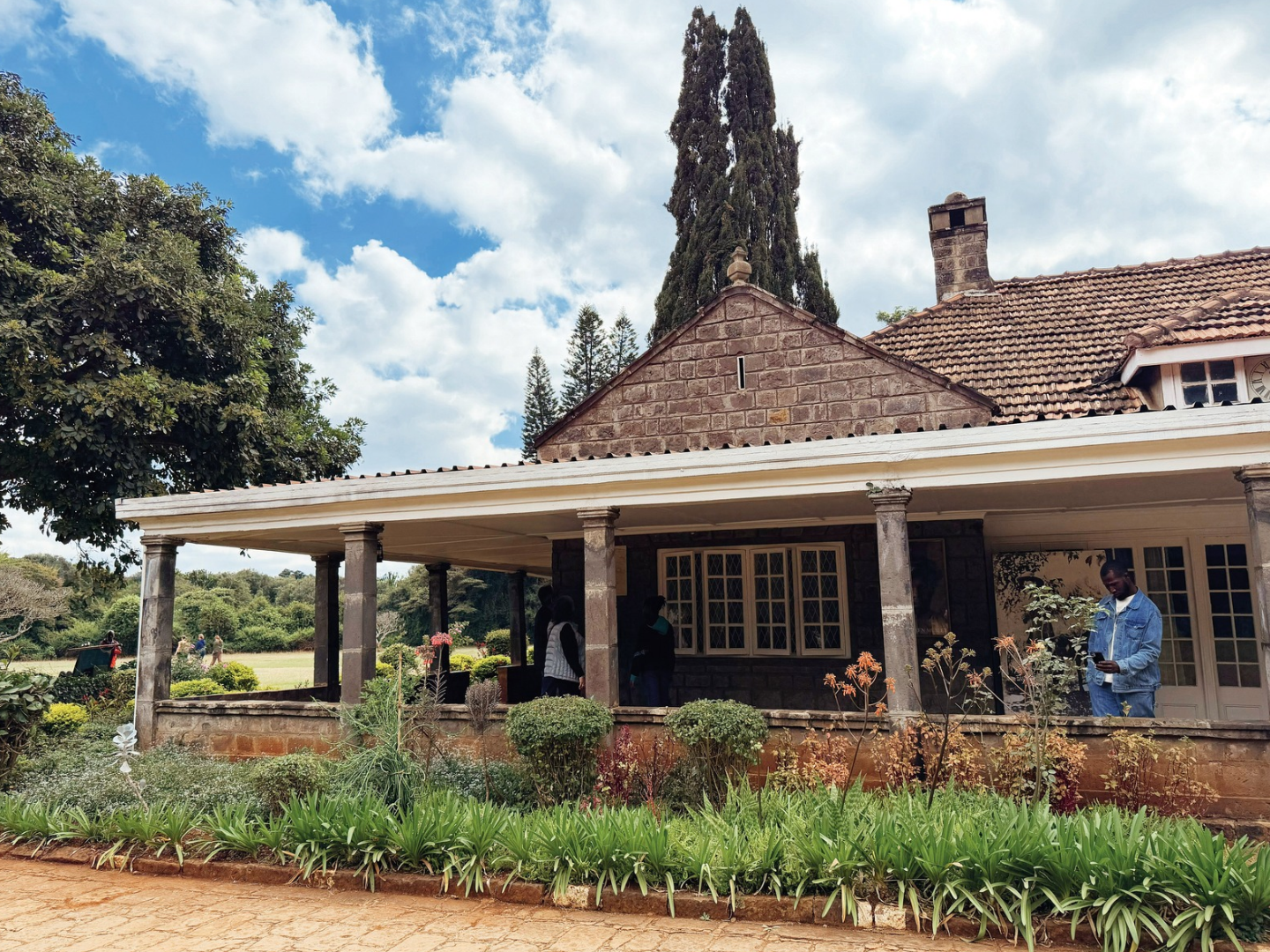
The estate was purchased by the Danish government as a gift for the Kenyan government in 1964 (All photos: Diana Khoo/The Edge)
Sept 7 marks the 65th anniversary of author Karen Blixen’s death. Although Danish born, Blixen’s legacy is forever and inextricably linked to Kenya after she published her seminal autobiographical memoir, Out of Africa, in 1937, under the pen name Isak Dinesen.
First arriving in 1914 in what was then called British East Africa, Blixen seemed destined for an indolent life. Coming from a wealthy family herself, her engagement to second cousin and Swedish aristocrat Baron Bror von Blixen-Finecke seemed to further guarantee a comfortable existence ahead. It was a visit by Bror’s uncle, Count Mogens Frijs, which sowed the seeds of what would become a life-changing decision for the couple.
Inspired by Frijs’ stories of Africa, his big-game hunting, the Great Rift Valley and the beauty of Lake Naivasha, coupled by the fact that many colonial landowners who ventured to East Africa became instant millionaires by owning well-run farms, both began to harbour starry-eyed dreams, of a future lined with wealth and adventure … and, above, all, far away from the staidness and coldness of upper-class Scandinavian life. And it was in Mombasa, still East Africa’s biggest and busiest seaport, where the Blixens married, immediately after their arrival.
body_photo_75.png
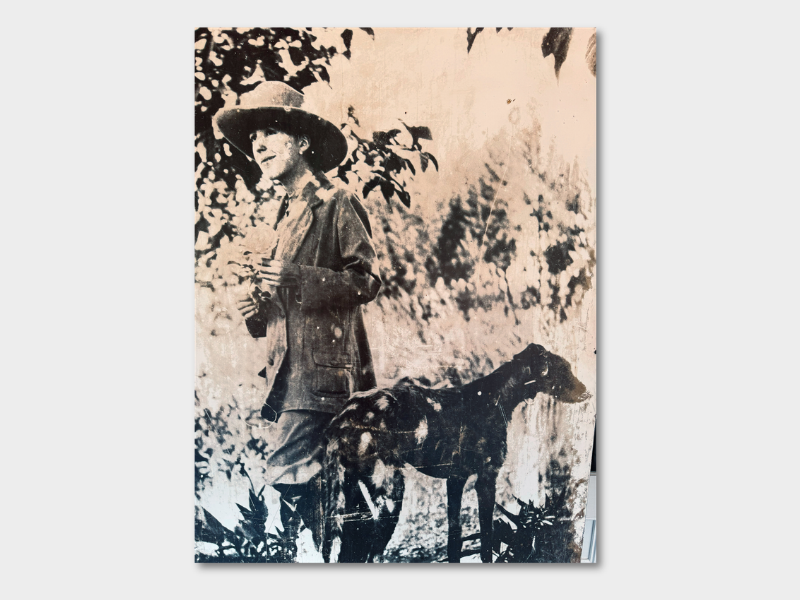
Originally slated to pursue dairy farming, it was dissuasion by none other than the pioneering and influential Lord Delamere (legend has it the British peer was not keen on potential competition) that Bror decided instead to use his wife’s family money to acquire a coffee plantation at the foot of the Ngong Hills — and which, no doubt, fans would immediately recall as the evocative first sentence in Out of Africa.
Although conjuring up images of rural idyll, in reality, the couple’s life in Africa was one of struggle — both personally and professionally. The land’s high elevation and poor soil quality made coffee cultivation near impossible. Also, being loosely connected to the infamous Happy Valley set — the nickname for the hedonistic clique of privileged British and European settlers who settled in the White Highlands and the Wanjohi Valley of colonial Kenya — created further friction and distractions from the round-the-clock hard work needed to get a struggling coffee plantation off the ground.
Devastated upon learning of her husband’s infidelity after a debilitating syphilis infection, Blixen had to then grapple with chronic pain and undergo torturous early 20th-century treatments for the disease. This included the use of heavy metals, such as the arsenic-based salvarsan and mercury pills. Many surmised that this toxic medical protocol was the reason Blixen never had children.
body_photo_76.png
Faced with an unending string of daunting challenges, including looming financial ruin and the sudden death of her British lover Denys Finch Hatton in an airplane crash in Tsavo, Blixen eventually conceded defeat, returning to Denmark in 1931.
As part of her coping mechanism, Blixen began to reacquaint herself with her creative side, picking up the pen and looking for both a reason and means to go on living. In 1934, she published Seven Gothic Tales, followed by her seminal autobiographical memoir three years later.
Sadly, her death at the age of 77 meant that she would never see or experience the big-screen success of her life story. It was only decades later, in 1985, that Out of Africa began filming on location — with Meryl Streep and Robert Redford, no less. Thereafter, the National Museums of Kenya institution decided to gazette the property — first, as a heritage site — before officially opening the Karen Blixen Museum in 1986.
And while there is an understandable aversion to romanticising colonial tropes or canonising white-settler nostalgia, it cannot go unnoticed that Blixen’s memory remains cherished in Kenya. The affluent Nairobi suburb of Karen, for example, is named in her honour by the Kenyan government. The Karen Blixen Museum remains beautifully preserved in Mbogani, the couple’s original home whose name stems from the Swahili words for “a house in the woods”.
Another charming fact is that the Danish government had earlier purchased it in 1964 as a gift to the Kenyan government, which had gained independence from Britain just the year before.
body_photo_77.png
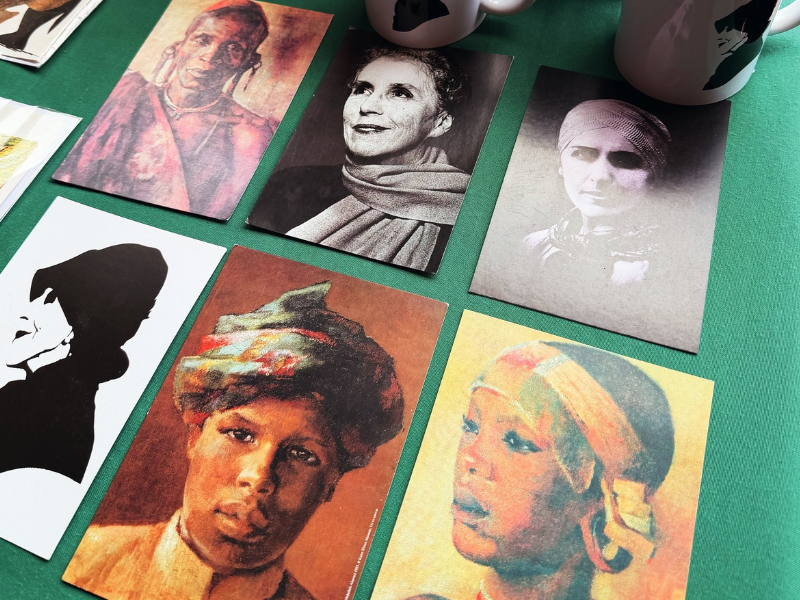
Tourists today will be rewarded with a journey back in time, as well-informed guides take them through the various sections of the house. Bedrooms conjure up images of a colonial settler’s privileged life, replete with porcelain dining ware and deep tin bathtubs in which the luxury of a hot bath is afforded. Original costumes from the Out of Africa set can be seen hanging in some of the cupboards while leopard and lion skin rugs offer damning testimony to Bror’s predilection for hunting. Nearby, a turbaned portrait of Blixen offers up another tragic witness, this time to the severe hair loss she suffered as a result of her syphilis treatment.
Besides a gramophone and German cuckoo clock, visitors will also be shown the curious sight of two lanterns — one in blue, the other red — which was used to signal to the house help the mood their madam happened to be in that day. An old print out of a menu from a 1928 dinner given in honour of a visit by Edward, the Prince of Wales, may also be perused, showcasing the sumptuousness of life for settlers, even in those days, with courses of Mombasa fish in Hollandaise sauce, partridge with peas, croustades with mushrooms, and savarin with fruit to finish.
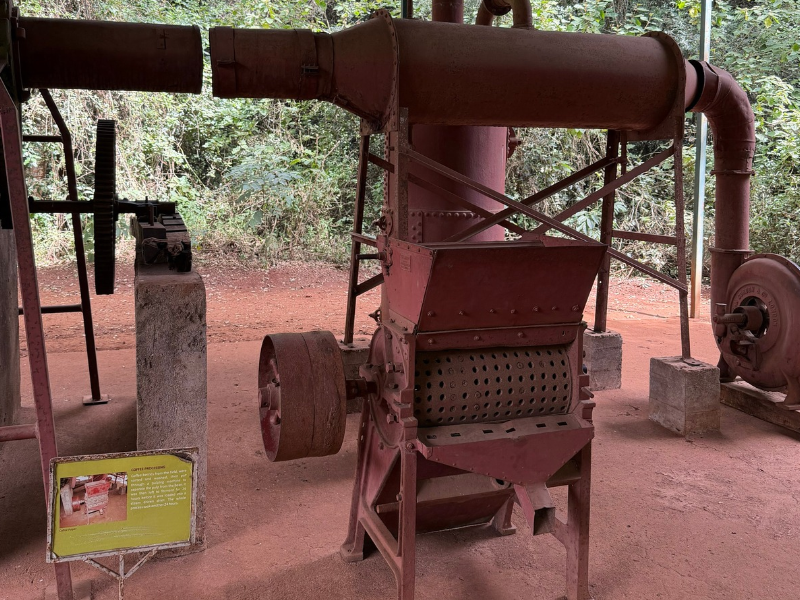
The expansive gardens invite exploring and are peppered with farm tools of that period, including wagons and ploughs, while a short walk through a nature trail will take you to a replica of the coffee processing area (the original machinery was sadly lost to fire). Around the corner is the bijou but welcoming Pointzero café that serves delicious Kenyan coffee, cakes and light bites. The grounds also regularly play host to artists and woodcarvers who are only too happy for you to bring one of their wares home while the on-site museum shop is widely stocked with all manner of Blixen and Out of Africa memorabilia as well as Kenyan souvenirs and gift ideas.
This article first appeared on Sept 7, 2026 in The Edge Malaysia.