
Open on Wed, Thurs and Sun, 5pm to 1am; Fri to Sat, 5pm to 2am
If you are a frequenter of the imbibing institutions known as izakayas, you may be familiar with their common hallmarks: an overwhelming range of cheap, chuggable tipples; chaotic and chatter-fuelled ambience; and walls plastered so thickly with food posters that the smoke-saturated paint beneath has forgotten sunlight. The quintessential Japanese pub is one that has mastered the ability to coax its patrons into spilling their woes and laughing full-bellied as they grow fearlessly pink with intoxication, already talking about when they are going to do this again.
So the question is: How can the highfalutin fashionings of a hotel bar live up to these lovable locales contingent upon candour? Truthfully, it would be mutually disrespectful to equate the recently opened Ensō Izakaya and Bar with the rowdy, rustic taverns we know and love (and not, like many Malaysians ardently dissing the 2026 Michelin Guide Kuala Lumpur & Penang online seem to think, because all “fine” culinary establishments represent a sacrilegious corruption of our prized street food culture, or that the local mindset is fundamentally incapable of appreciating delicacy).
Rather, this new haunt on the fourth floor of the Hyatt Regency Kuala Lumpur Midtown, aptly named for the Zen calligraphy stroke that represents Buddhism’s free-flowing detachment, finds strength in its willingness to not pursue some manicured form of that bustling energy. It opts instead for a soothingly intimate air, still faithful to the robust offerings and cultural soul of its muse but delivered with its own refined approach.
food.jpg
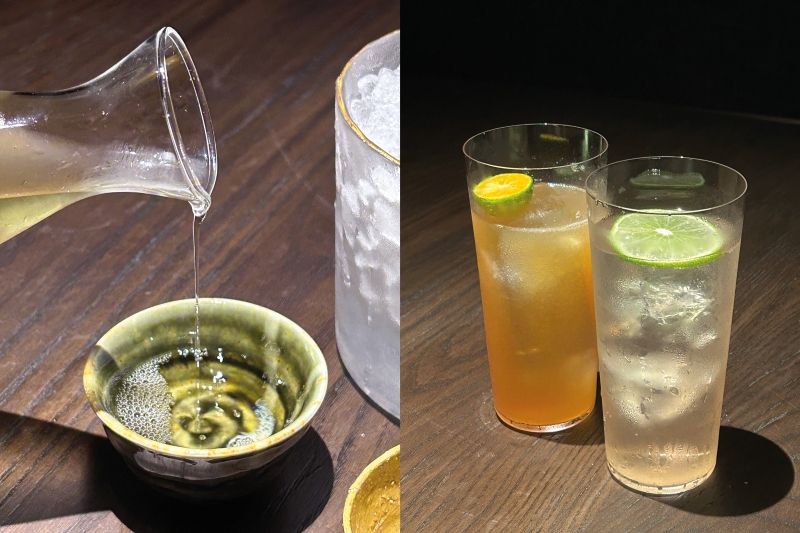
Case in point, we are pleased to discover Ensō has not shirked on its highballs, considered by many as one of the most sacred, fundamental building blocks of the izakaya menu. Within the stab-bound folder of cocktails, one finds a curated collection of four chū-hi (shōchū highballs) each covering a unique taste profile and priced at a decent RM38. While the Berī and Suppai veer on the fruitier side, the Tsukemono (meaning pickles) is an enticing mix of tangy-salty umeboshi and shiso cordial with umami bitters that melds into the light salinity of the Iichiko Saiten base for a refreshingly briny concoction. For a creative play on the typical whisky-soda, the Umecon (RM45) drips with sweet tangy personality, rich in plum and brown sugar notes from Kokuto Umeshu, while the base of smoky scotch and hinoki wood bitters are amped up by black tea tannins.
As might be expected from a Japanese bar, the cavalcade of sake and spirits, especially the handsome queue of Nipponese whiskies, is nothing to scoff at. A plentiful selection of nihonshū — the proper name for Japanese rice wine — is neatly sorted by region and prefecture of origin, poised between RM250 and an eye-watering RM8,000. Mùa Craft Sake from Vietnam is the on-tap option, but for a unique and decadent experience, spring for a carafe of the Kimoto Junmai Daiginjō.
Created exclusively for Ensō over a meticulous three-year process using Aramasa Shuzou brewery’s legendary Kyokai No 6 Yeast strain, this pristine liquid captivates with its unexpected complexity, owing to the more traditional kimoto method of mashing the starter to introduce natural lactic acid and promote powerful fermentation. The nose is juicy with hints of freshly sliced melon, while the first sip imparts a remarkably well-balanced symphony of clean, floral sweetness and an umami edge. A superbly smooth texture and medium finish relieve the tongue just before the bold flavours can overwhelm, always inviting the next chilled sip. Admittedly, RM200 for a scant 180ml is a pretty pocket-burning rate, but as a special treat, it is well worth the indulgence.
food_1.jpg
The establishment’s list of mixological marvels relies primarily on Japanese ingredients and flavour profiles delivered with out-of-the-box twists that play heavily on contrasts. On the lighter end, Sea Breeze (RM60) exudes a tropical bouquet, thanks to the pineapple and Midori, with a lemon-lime tinge. This emerald potion balances bright fruit and a pronounced salted element, mellowed by the malty beer reduction and with a lasting savoury denouement from the seaweed.
The Sakura Martini (RM65), meanwhile, is a slower companion: the pale pink fluid has a sweet, vernal perfume reminiscent of lychees, yet delivers a crisp, slightly bitter profile resulting from the dry Fino sherry. Each draw blossoms, spreading the gin’s ripe lemon notes and aromatic juniper botanicals across the tongue. Enjoying it alongside the small dish of seaweed, sesame and bonito furikake reminds us of the niche practice of licking salt with nihonshū, rounding out the spirit-forward character for a long-lasting beverage.
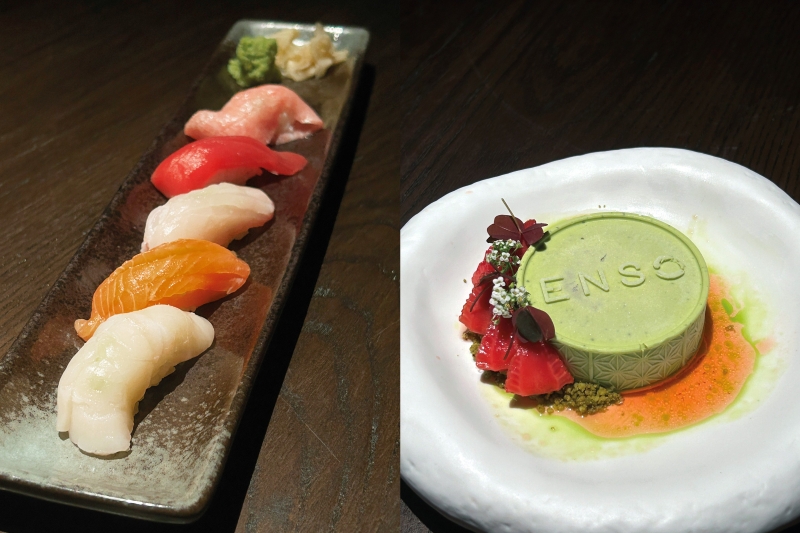
As opposed to classic izakaya fare — the oversalted, potently seasoned kind meant to be continuously washed down — this venue provides a comprehensive variety of traditional cuisine. Sashimi and sushi come prepared to a pleasant standard. The five-piece nigiri sushi moriawase (RM58) includes tender scallops and luscious fatty tuna, great as a light meal, whereas the uni and ikura-topped oyster makes for a truly luxurious starter.
For pecking, there are the more informal, sauce-laced rolls, not to mention several types of binchotan-grilled kushiyaki, featuring chicken thighs and leek skewers or even lamb tenderloin (Ensō is perhaps a bit too uppity for your average livers and gizzards). Even more filling are the wagyu shabu-shabu and sukiyaki, served alongside cauldrons of delectable broths and veggies, and the choice of noodles or rice bowls — all ideal shime (finishers or finales) for the night.
kulrk-p0071-enso-izakaya-bar-seating.16x9.png
Despite this thoroughly tricked-out menu, we honestly still find ourselves missing punchy nibbles like takowasa (raw octopus with wasabi), beef tataki (seared, seasoned beef fillet slices) and eihire (dried ray fins), items sure to lend the bar a bit more authenticity compared with the somewhat cliché suggestions of edamame or California rolls. On the sweeter side, we give the signature Asa no Ha (RM32) dessert a restrained passing grade: the pleasantly bitter but not particularly compelling matcha ice cream drowns out the fermented compote within, and while the salted strawberries and shiso oil offer a bit of fragrant depth, it cannot quite hold our interest long enough to contemplate a re-order.
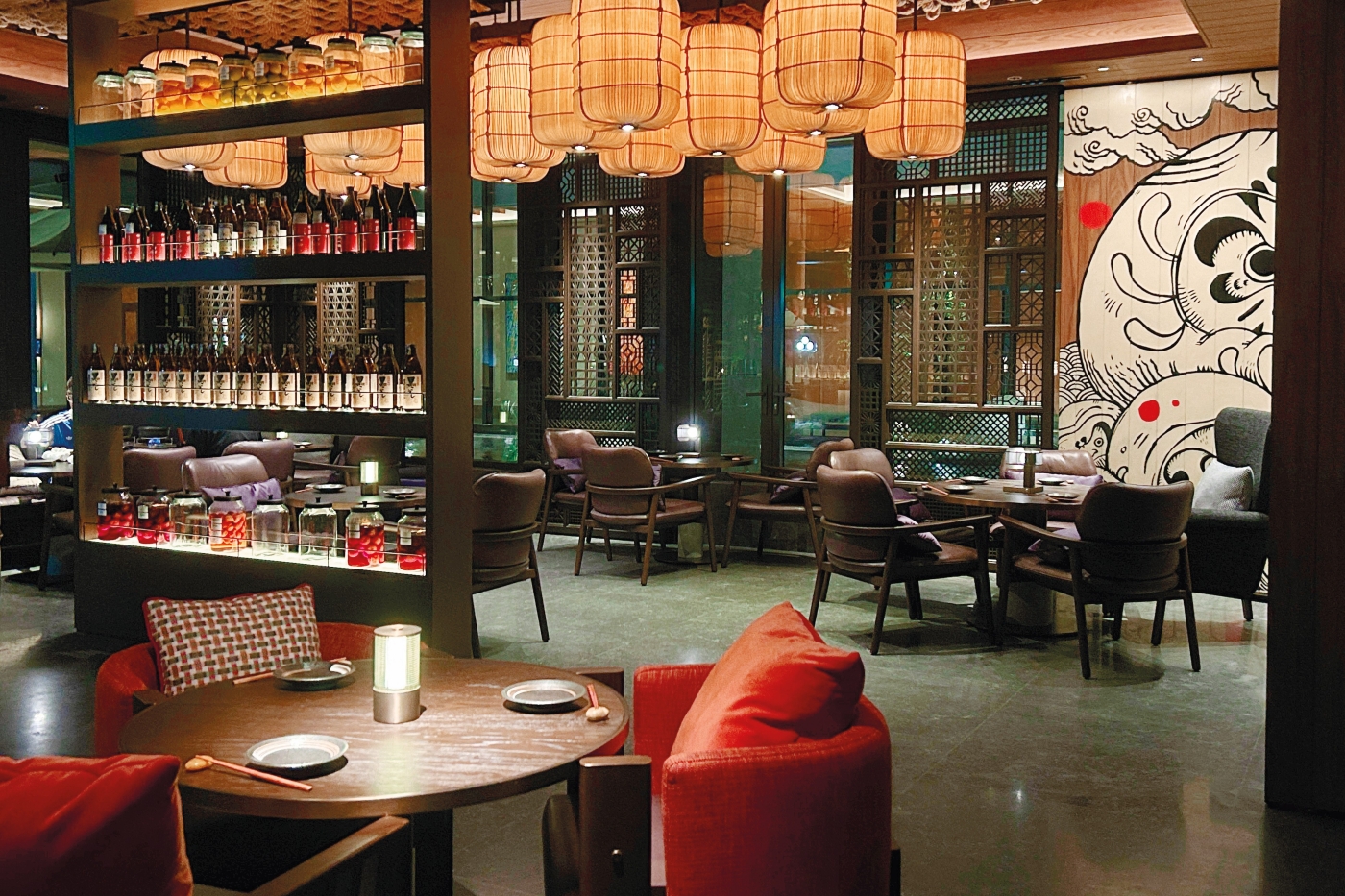
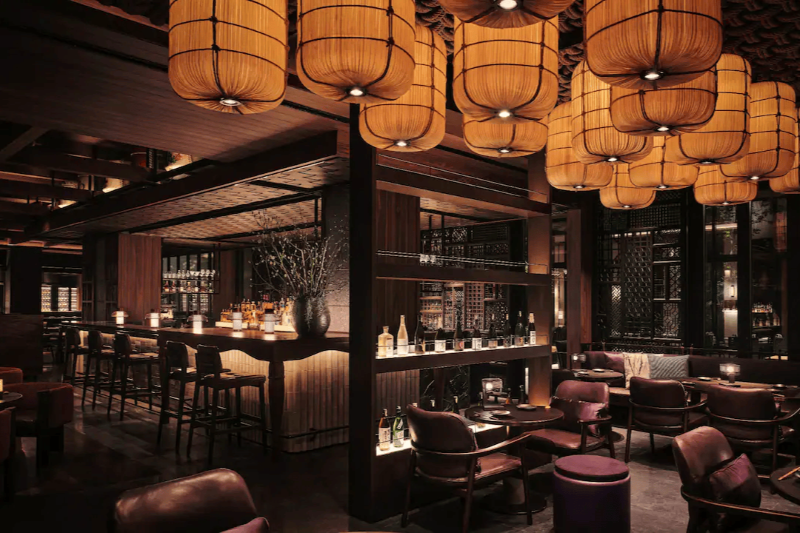
Architecturally, Ensō wants not for spaciousness. On a busy Saturday evening, its interiors still do a fine job of segmenting the area into more private nooks, shielded by intricate dark wood latticework and vaulting reminiscent of a temple at night. A daruma doll mural, 30-year-old bonsai tree and warm looming lanterns breathe elegant cultural panache into the space, though the minor detail of round pebbles as chopstick holders is almost laughably perplexing.
The circle-based theming here advocates that no two visits will be alike, promising “perfectly imperfect moments” and “a place to be your comfortable self” in language akin to a gratuitously philosophical kintsugi workshop. Ensō has yet to convince us each trip here is meant to be some profoundly poetic undertaking. But if the tipples stay tasty and bites skilfully served up, we are more than willing to keep an open mind.
This article first appeared on Dec 8, 2025 in The Edge Malaysia.