
She speaks about what to expect from its booth and evolutions in the regional art scene.
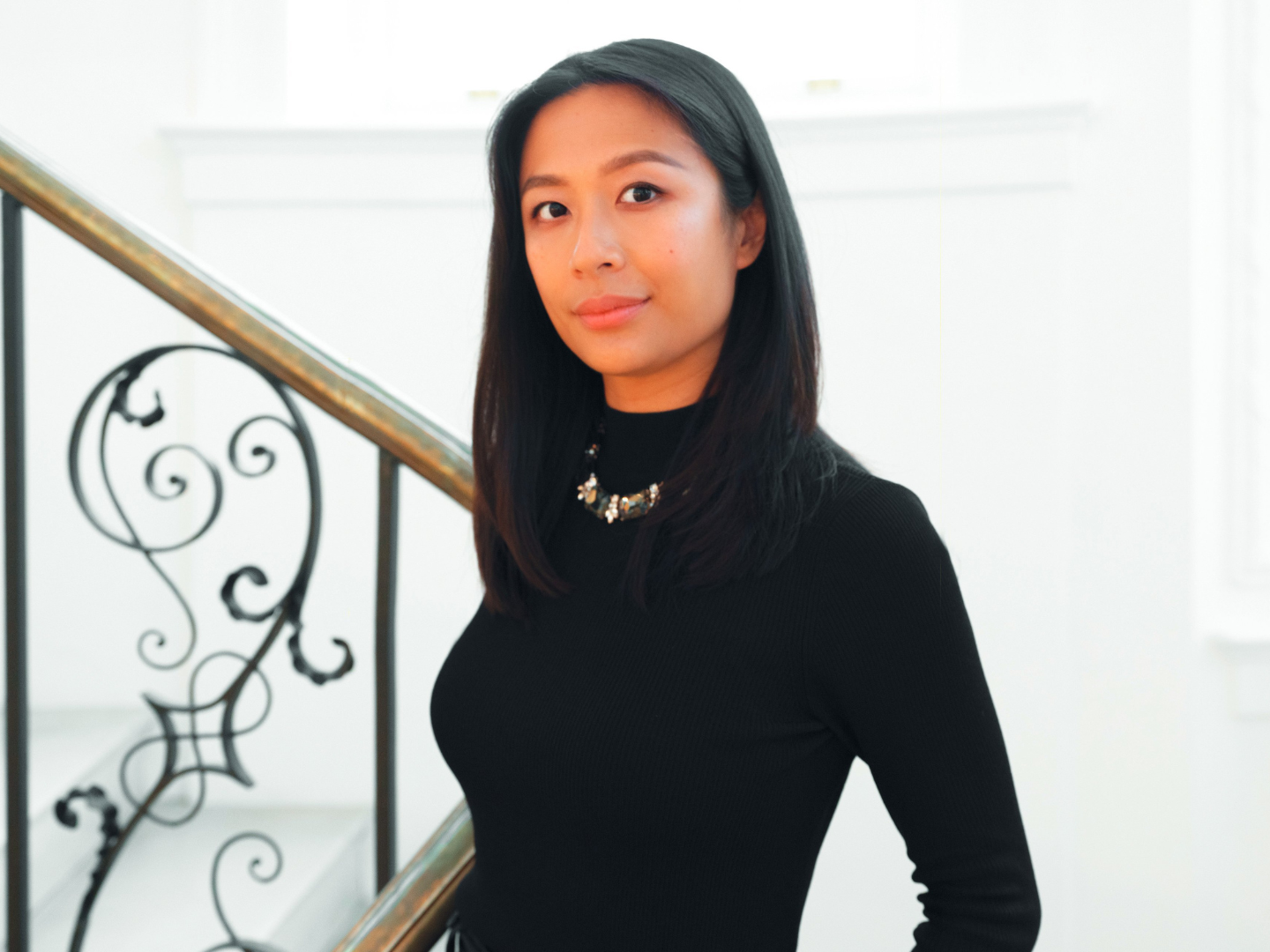
Zhu is the gallery’s director of Asia (Photo: Eva Herzog)
Options: Fresh off a triumphant presentation at Art SG in January, Thaddaeus Ropac still has much up its sleeve as it gears up for Asia’s premier art fair — Art Basel Hong Kong. How are you feeling about the 2026 fair season so far?
Dawn Zhu: The 2026 fair season has started on a positive note for us. Art SG in January saw strong engagement with collectors and institutions across the region, reaffirming the importance of Asia to our programme. While there is certainly a degree of global economic and geopolitical uncertainty at the moment, the conversations and commitments we continue to see from collectors in Asia remain encouraging. As we now look ahead to Art Basel Hong Kong, we are hopeful and excited to build on that momentum.
A key highlight at the gallery’s Art Basel exhibit is a piece by major Pop Art figure Robert Rauschenberg. Tell us more about this artwork and its significance at the fair.
Created in 1990, Pasar (Market)/ROCI Malaysia belongs to the small series of paintings made for the titular ROCI Malaysia exhibition, which took place at the National Art Gallery in Kuala Lumpur in 1990.
The title references the Malay phrase pasar malam (night market), and the composition incorporates silkscreened images derived from Rauschenberg’s photographs taken during his travels. These include scenes of local commerce — such as a chalkboard advertising pepper and cocoa and a man carrying produce into a shop — alongside imagery of animals like chickens and a turtle mosaic. Through these layered images, Rauschenberg juxtaposes urban and natural motifs to reflect tensions between modern and indigenous cultures in Malaysia.
We’re so delighted to be presenting the work in Hong Kong, especially at a moment when institutions around the world are revisiting Rauschenberg’s global legacy during his centenary year, including the major exhibition at M+. This renewed attention highlights just how forward-thinking the ROCI project was, anticipating the kind of cross-cultural exchange that has since become central to the way contemporary art operates globally.
1.png
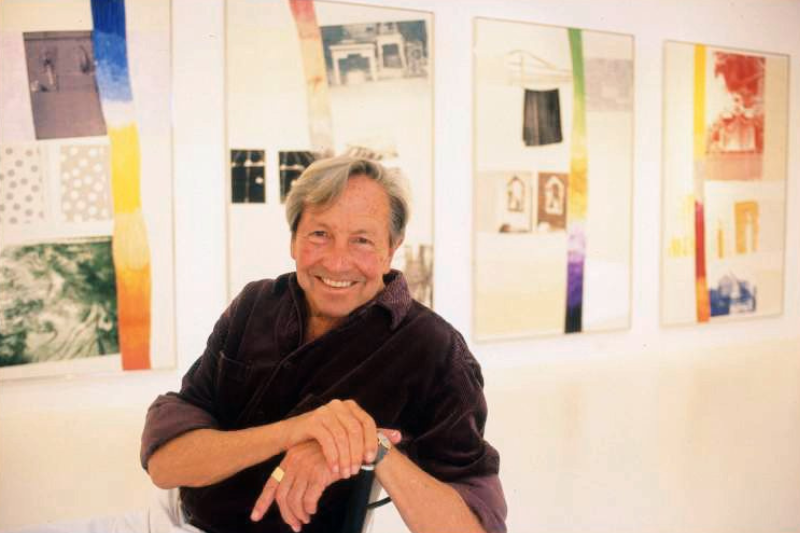
Works by American multi-media artist Robert Rauschenberg are often associated with mid-20th century movements such as Conceptual Art and Neo-Dada (Photo: Ed Chappell)
What other artworks in the line-up are you most excited about?
We’re bringing a particularly strong selection this time, including an exceptional Zao Wou-Ki painting that has remained in the same collection since it was acquired directly from the artist more than 25 years ago. Alongside this, we’re presenting new flower paintings by Alex Katz, as well as a powerful fresh piece by Yan Pei-Ming, who will open a major exhibition at the He Art Museum, Guangdong, later this month. Our presentation also includes new creations by Alvaro Barrington, recently announced as one of the artists participating in this year’s Venice Biennale, and Zadie Xa, who will showcase a site-specific installation at the Guggenheim Museum Bilbao later this year. We will also present an important output by Martha Jungwirth, first shown in her museum exhibition in Düsseldorf, and a new work by Mandy El-Sayegh, who will open a show at Space K this month.
What does an average day as director of Asia at Thaddaeus Ropac entail?
It’s quite varied. A lot of the day is spent speaking with collectors, advisers and institutions across Asia — sharing works, discussing artists and following up on potential placements. I’m also coordinating closely with our gallery team on upcoming exhibitions, art fairs and available inventory, preparing presentations for clients or thinking about which works might suit particular collections.
Because of the time difference with Asia, my mornings often start with messages that come in overnight and, of course, depending on the time of the year, there can be a fair bit of jetsetting involved — visiting collections, attending openings or travelling for fairs we participate in internationally.
What are some key changes you have noticed in the Asian art scene over the past decade, and where do you think it is headed next?
I’ve really noticed that the Asian art scene has become much more confident and internationally connected. When I first started working in the region, many collectors were focused on building foundations with blue-chip Western artists. Today, there’s a much stronger curiosity about regional artists and more conceptually driven practices, as well as a new generation of younger collectors who are very informed and globally minded. Institutions across Asia have also become more active, which has helped shape a deeper conversation around the work itself.
Looking ahead, I think Asia will continue to play a progressively crucial role in the global art landscape. The ecosystem feels much more mature now, and collectors seem increasingly interested in long-term engagement with artists rather than following short-term trends.
2.png
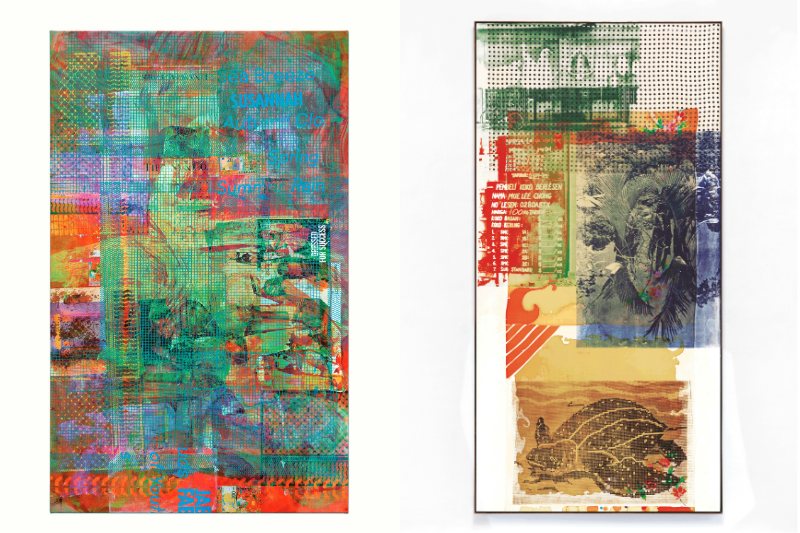
Left: Net Grid Study (Dressed to kill) by Mandy El-Sayegh, Right: Pasar (Market)/ROCI Malaysia (Photos: Thaddaeus Ropac)
Who are some talents from the Asia-Pacific region you have your eye on right now?
At the moment, we’re particularly excited about the Asian artists featured in our group show Distancing at our Seoul gallery — Kei Imazu, Juree Kim, Nosik Lim and Maria Taniguchi. All four work in distinct ways but share an interest in how images, materials and histories evolve over time.
Through Taniguchi’s quietly repetitive brick paintings, Kim’s clay pieces that literally change and crack as they dry, Lim’s softly layered paintings where forms emerge and dissolve, or Imazu’s canvases that bring together fragments of history, mythology and contemporary life — what links them is this sense of allowing meaning to unfold gradually, inviting viewers to spend time with the work rather than grasping it instantly.
What can enthusiasts and collectors expect from the gallery in the coming months?
We’ll of course be showing at Art Basel Hong Kong 2026, where we will present works that reflect the range of the gallery programme, from historical figures to a younger generation of artists. Beyond the fairs, we are looking forward to a strong series of exhibitions across our spaces in London, Paris, Salzburg, Milan and Seoul, including displays of new works by Alex Katz, Anselm Kiefer, Adrian Ghenie and more. We are also excited to support some significant institutional projects by our artists, including exhibitions of latest pieces by Georg Baselitz and David Salle in Venice, coinciding with the 61st Art Biennale.
Art Basel Hong Kong takes place from March 27 to 29.
This article first appeared on March 16, 2026 in The Edge Malaysia.