
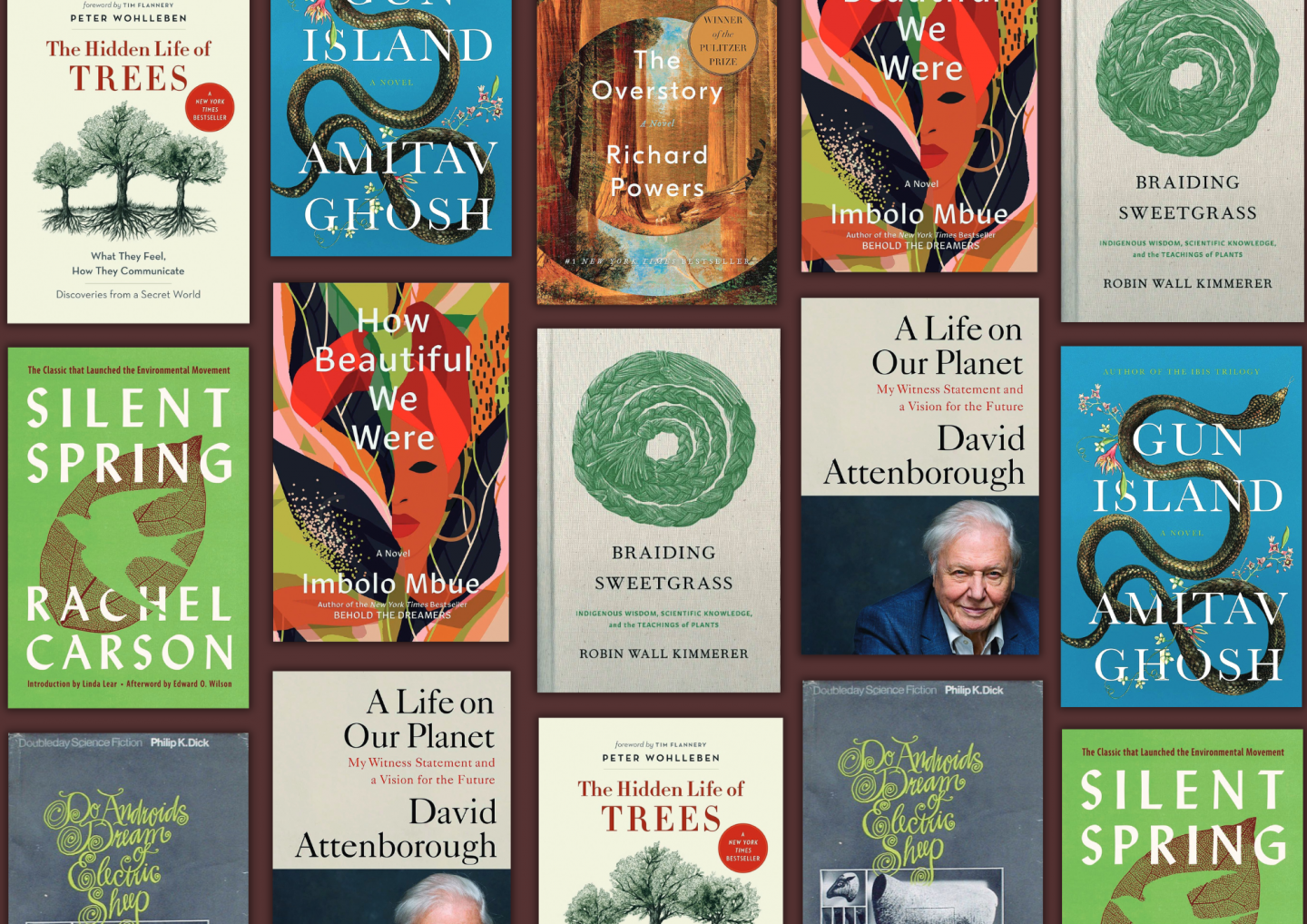
Prizewinners and page-turners that invite us to consider our planet closer
Feeling burnt out by the record-breaking heatwaves and what they mean for the planet? Keep your fire for climate justice alive with this reading list, curated for the environmentalist.
How Beautiful We Were
by Imbolo Mbue
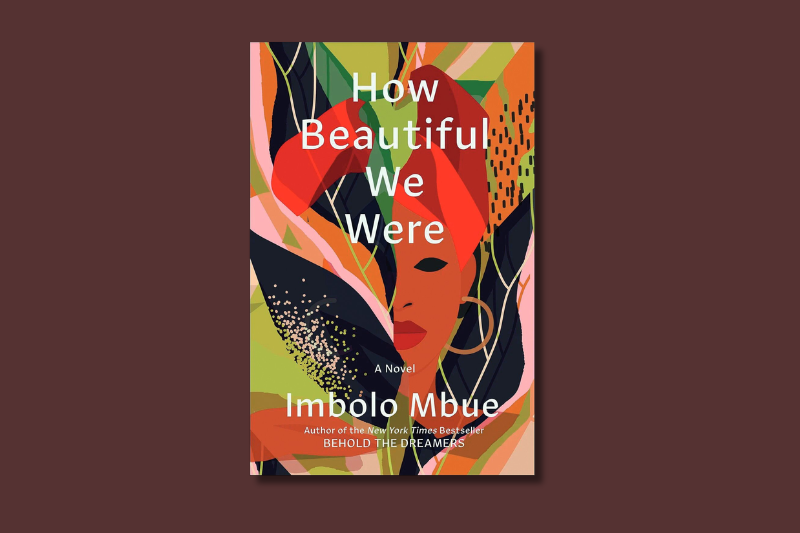
Those most impacted by climate change are usually the ones who contribute the least to its causes. In this second novel by the New York Times-bestselling author, the fictional African village of Kosawa is brought to the brink of destruction at the hands of an American oil company. Pipeline leaks have rendered the soil infertile and poisoned the drinking water supply. Despite promises of clean-ups and financial compensation, the locals’ plight and pleas are ignored. To make things bleaker, the profit-hungry corporation is backed by the US government, helmed by a dictator. Strife often births the most passionate of revolutionaries though, and Kosawa refuses to be erased without a fight.
Do Androids Dream of Electric Sheep?
by Philip K Dick
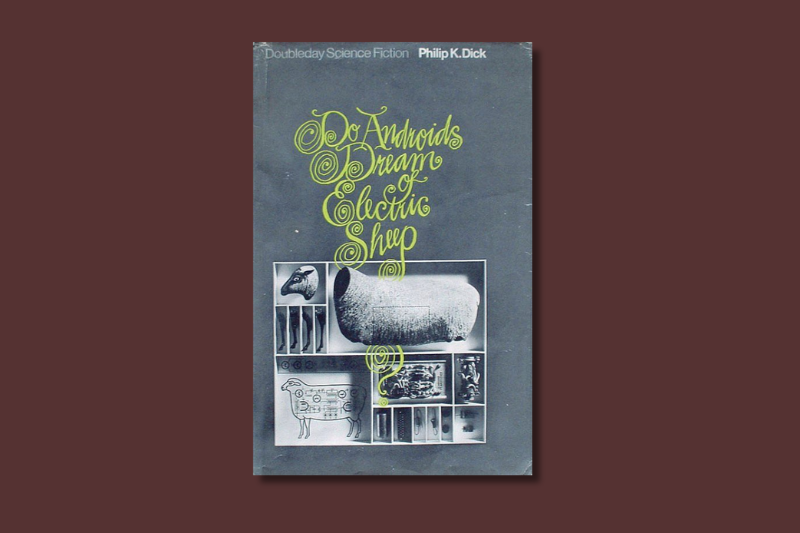
It is the year 1992 in a post-apocalyptic San Francisco. As a result of a global war, Earth is highly radioactive, and most animal species are extinct. Owning real creatures is fashionable for the wealthy and connected, while most of the remaining human population must settle for electric imitations. Survivors are incentivised by the offer of android servants to move to off-world colonies. Fearful of what the chaos these very realistic robots could cause, the government bans them from Earth. When rogue machines appear on the planet, it is bounty hunter Rick Deckard’s job to kill them. The inspiration for the 1982 film Blade Runner, this read emphasises the consequences of environmental neglect and the ephemerality of life.
Silent Spring
by Rachel Carson
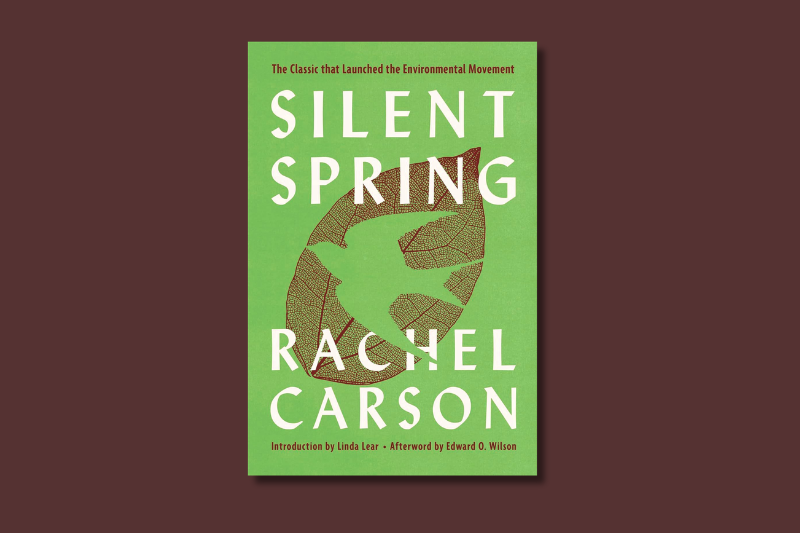
Regarded as one of the most influential science books of all time, Carson’s critique of mankind’s negligent use of chemicals is as striking today as it was when initially published in 1962. She highlights the role of a synthetic pesticide called Dichlorodiphenyltrichloroethane (DDT) in World War II, which was proven to have negative environmental effects — such as the weakening of ecosystems, which then become vulnerable to invasive species — and serious health repercussions in humans following prolonged exposure. Carson’s exposé on the chemicals industry sparked great outcry and played a key part in the US’ nationwide ban on DDT in 1972. To this day, it serves as a call for the responsible stewardship of our planet.
A Life on Our Planet
by David Attenborough
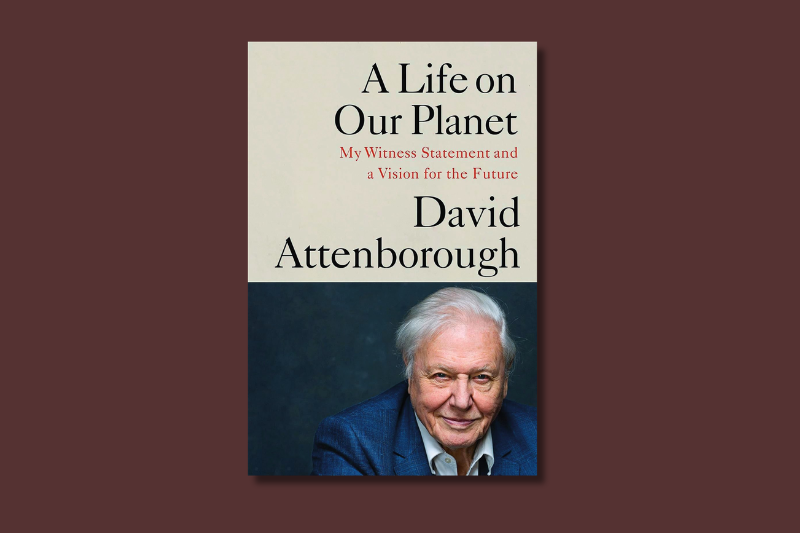
You have probably watched the documentary of the same name starring the iconic British naturalist, but have you read the companion novel? This scientifically informed account details the shifts the award-winning broadcaster has witnessed throughout an over 70-year-long career. Though its subjects and examples are poignant, its messaging reveals the author’s hopeful vision for a brighter future. Best savoured during trying times, this page-turner inspires readers to take matters into their own hands before it is too late. Attenborough said it best: “We have one final chance to create the perfect home for ourselves and restore the wonderful world we inherited. All we need is the will to do so.”
Braiding Sweetgrass
by Robin Wall Kimmerer
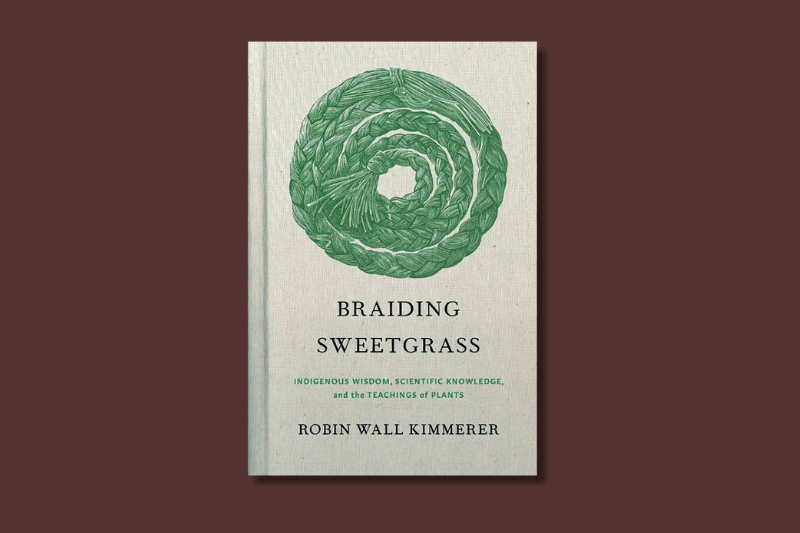
Potawatomi botanist Kimmerer’s profound exploration hinges on the idea that flora and fauna are our greatest and oldest teachers. Trained to ask questions with scientific tools while also being a member of an indigenous community that prioritises harmony with nature, the professor provides complex, multi-layered insights into sustainability and mankind’s reciprocal role in the ecosystem. Through personal stories recounting her journey to reconnect with her heritage and careful analyses, Kimmerer encourages understanding of how the natural world communicates, helping us become more receptive to nature’s gifts and lessons. It is only by learning to hear the voices and languages of other beings that we might form a more holistic way of living.
The Overstory
by Richard Powers
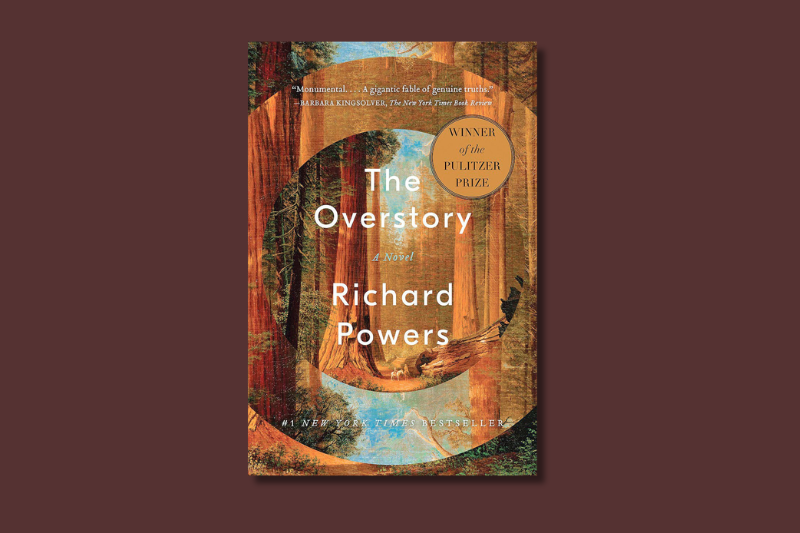
The 2020 Pulitzer Prize for Fiction winner, Powers’ 12th novel follows the stories of nine individuals whose personal encounters with trees culminate in them banding together to address the destruction of forests. The author applies a non-linear narrative structure stretching across generations and locations. It all starts in the mid-1800s with Iowan farmer Jørgen Hoel, who plants six chestnut trees on his land, of which only one survives. It becomes tradition for Jørgen’s descendants to photograph it, until Nicholas Hoel discovers his family dead from a gas leak. The events that follow see him team up with a group of other activists, each with a unique tale of their own.
The Hidden Life of Trees
by Peter Wohlleben
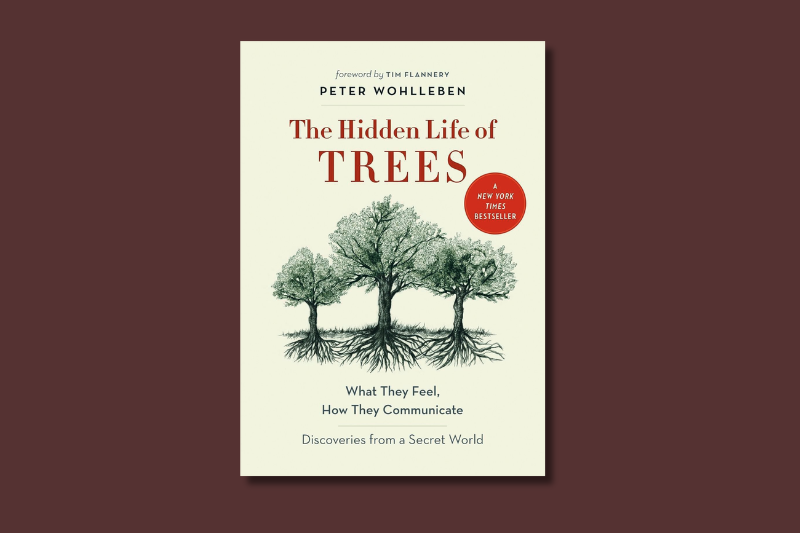
German forester Wohlleben dives into the previously unknown life of trees which, to most contemporary city-dwellers, are largely thought of as unfeeling and even non-sentient. The woodlands are likened to human families and networks — both cohabitate with their offspring, communicate with each other and support neighbours by sharing resources in times of need. Much like recluses, lone trees have a tougher time getting by, struggle to adapt and often have shorter lifespans than those in communities. Wohlleben demystifies how forests come to flourish, and unveils how his discoveries have influenced his own practices and behaviour while out in the wilderness.
Gun Island
by Amitav Ghosh
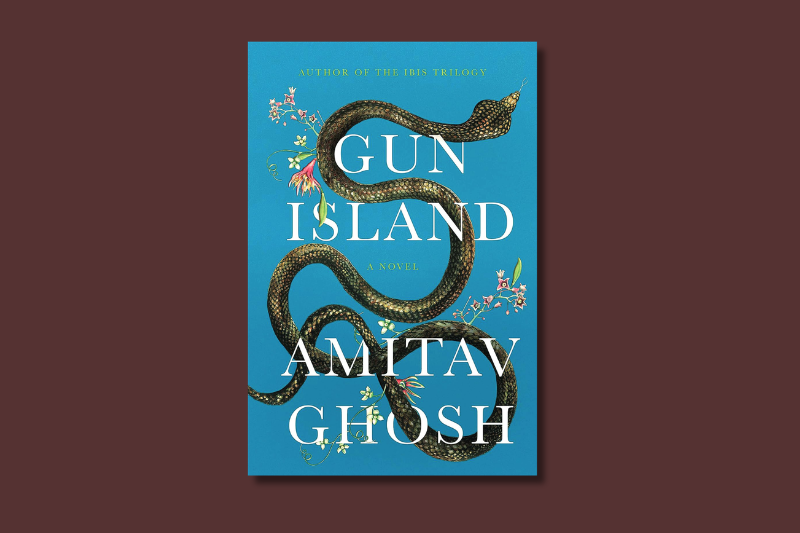
Rare books dealer Dinanath “Deen” Datta, who lives and works in New York, becomes fascinated by the Bengali folk legend of Bonduki Sadagar the Gun Merchant who is fabled to have fled abroad to escape persecution by Manasa Devi, Goddess of Snakes. Deen’s captivation eventually leads to the uprooting of his quiet American life, sending him on a journey across continents during which he meets a cast of colourful characters and cultures. As Deen unravels new understandings of his own identity and the supernatural world, he also uncovers a darker issue — the displacement of refugees from areas affected by climate change.
This article first appeared on July 13, 2026 in The Edge Malaysia.