
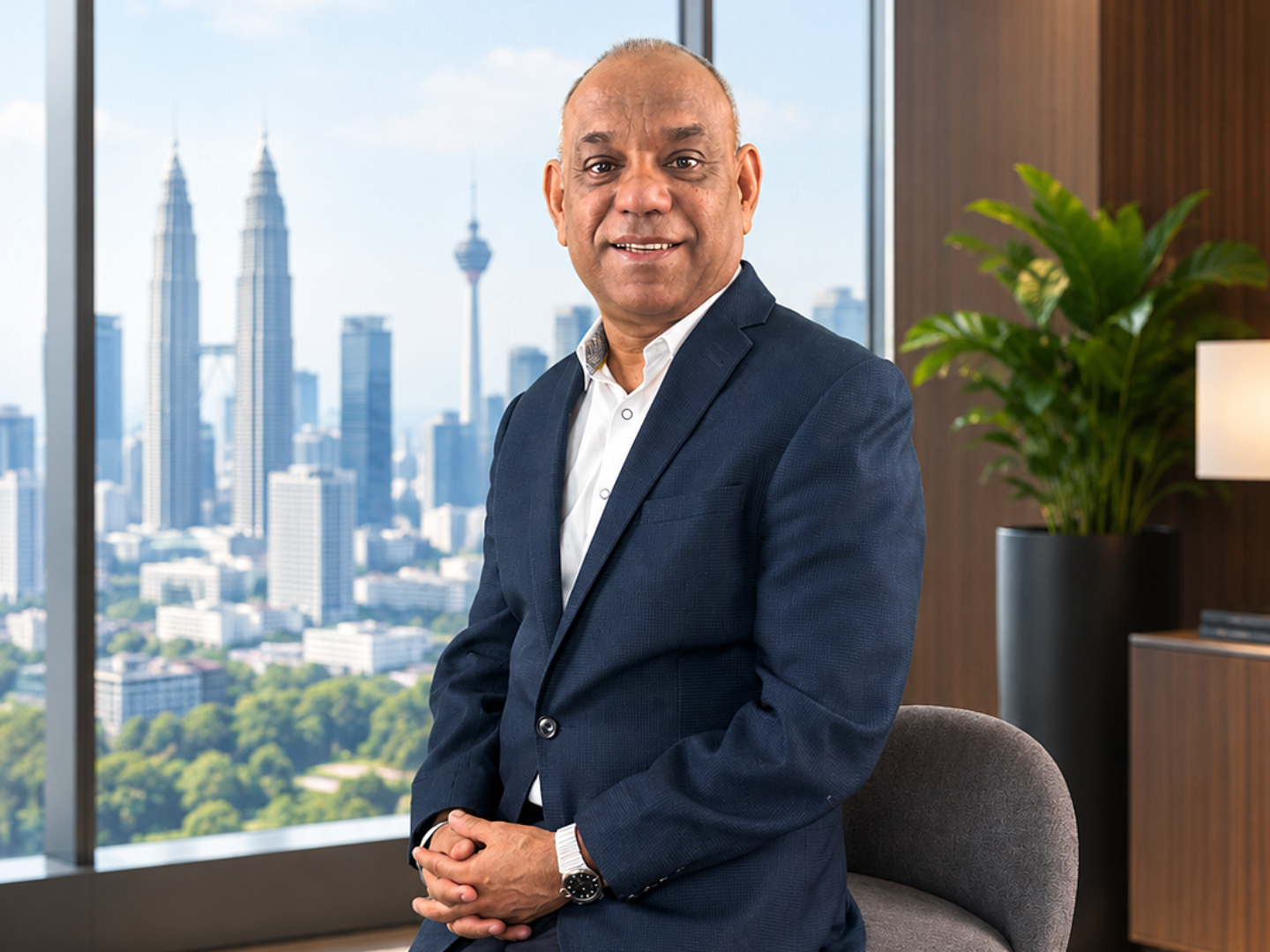
Tan Sri Rashpal Singh Randhay, chairman of the charitable non-profit organisation associated with CVSKL (Photo: CVSKL Foundation)
Options: As the charitable arm of CVSKL, how does the foundation determine who receives assistance?
Tan Sri Rashpal Singh Randhay: The team does a good job on background checks, going to the extent of looking through applicants’ phone bills and doing house visits to view their living conditions. This way, they give the board of trustees enough information to make the right decisions. We do not get involved in these processes, as we have our governance. If the application goes through, patients must be certified by our in-house doctors and all procedures must be done in and by CVSKL.
It must be hard having to reject patients. Who qualifies as a recipient?
We concentrate heavily on the B40 community, taking in people from all over Malaysia. There are also referrals from other establishments, or those who come to us for second opinions. However, the requirements are quite stringent, though we hope to look into that later on. As it stands, someone could be unemployed but still own a house that is fully paid. Unfortunately, they will not qualify because they have an asset.
How do you balance the number of people seeking assistance with the cases the foundation can take on?
Annually, we try to accommodate six to eight cases, depending on budget, timing and severity. Instead of straight up saying no, we still try to find other opportunities to help. This could be by referring them somewhere else or initiating crowdfunding, especially because some B40 individuals do have relatives and loved ones who can chip in; they are just unaware of the issue. We also have three CVSKL doctors on the trustee board who give their opinions on the most suitable procedure for each person we help.
Where does funding come from?
Most of the funding for patients comes from donors, the hospital itself and doctors’ contributions. For example, if the procedure costs RM100,000, the organisation might pay half while the remainder is absorbed by the doctors.This is because we have to incur the inevitable expense of instruments and necessary tools such as surgical gloves — especially with new instruments coming into play like the Impella, a tiny heart pump that can cost more than RM130,000. But by and large, the doctors volunteer their time and effort, forgoing their normal high fees.
body_photo_38.png

Beyond aid, what other gaps in cardiac care does the charity hope to address?
Research. The data collected during reviews can help us draw conclusions about certain age groups based on their lifestyle habits, especially because of the diverse demographic. In fact, our youngest patient was 14 years old. The bigger picture we want to figure out is the trend of heart disease, particularly in Malaysia, and why is it happening to younger people?
What are some of the biggest challenges in cardiac care today?
These days, we are very concerned that facilities cannot cope. Government hospitals are inundated with patients and paperwork backlog, so there is a very big turnover in that sector too. Within the B40 community, the obstacle lies in after-care. Though we do not provide financial [support] post-surgery, the team does follow-ups, visiting patients to see how they have been keeping up. This is because in many cases, some patients stop coming to collect their medicine and end up relying on alternate options because of affordability.
In recent years, have you witnessed any changes in the profiles of heart disease or the healthcare industry?
Cardiovascular issues were once known as a rich man’s disease, reflecting a time when only the affluent could afford indulgent diets while leading sedentary lifestyles. But that is no longer the case. There is no age for heart disease. Now, it is common to read about a prominent CEO falling in the office or an athlete suffering from an attack. On a more positive note, government hospitals have improved tremendously. You would be surprised to see what they have.
body_photo_37.png
What should people be more aware of?
Heart disease correlates with other chronic medical conditions such as diabetes and hypertension. The majority of people pin the blame on fast food, but looking at the B40 community, some can hardly afford it. It is important to take nutrition into account and nourish your body.
What would you encourage Malaysians to do before they experience any warning signs?
A severe heart attack should not happen in the first place if the proper diagnosis and healthcare visits have been done. Everybody should go to a heart centre to get checked, even if you are young, healthy and have no visible problems. I always encourage people to fork out the money because once you go through a procedure, whether it is a bypass or stent, the medication is lifelong and only helps manage the condition.
Beyond medical check-ups, what everyday habits can make a meaningful difference to heart health?
I used to play a lot of golf and tennis, which can be quite demanding on the knees. Instead, I have found that walking is a good habit that helps me feel my best. Above all, move in a way that feels comfortable for you.
As someone who has undergone heart surgery yourself, what lifestyle changes have been the hardest to stick to?
It is very hard to reject nasi kandar. I limit myself to having it once a month — sometimes even two months — even though my friends may tempt me. To balance out my intake, I like to occasionally have cereal for dinner. My wife enjoys healthier snacks, so there are nuts and raisins placed all over the house for us to munch on.
This article first appeared on Sept 28, 2026 in The Edge Malaysia.