
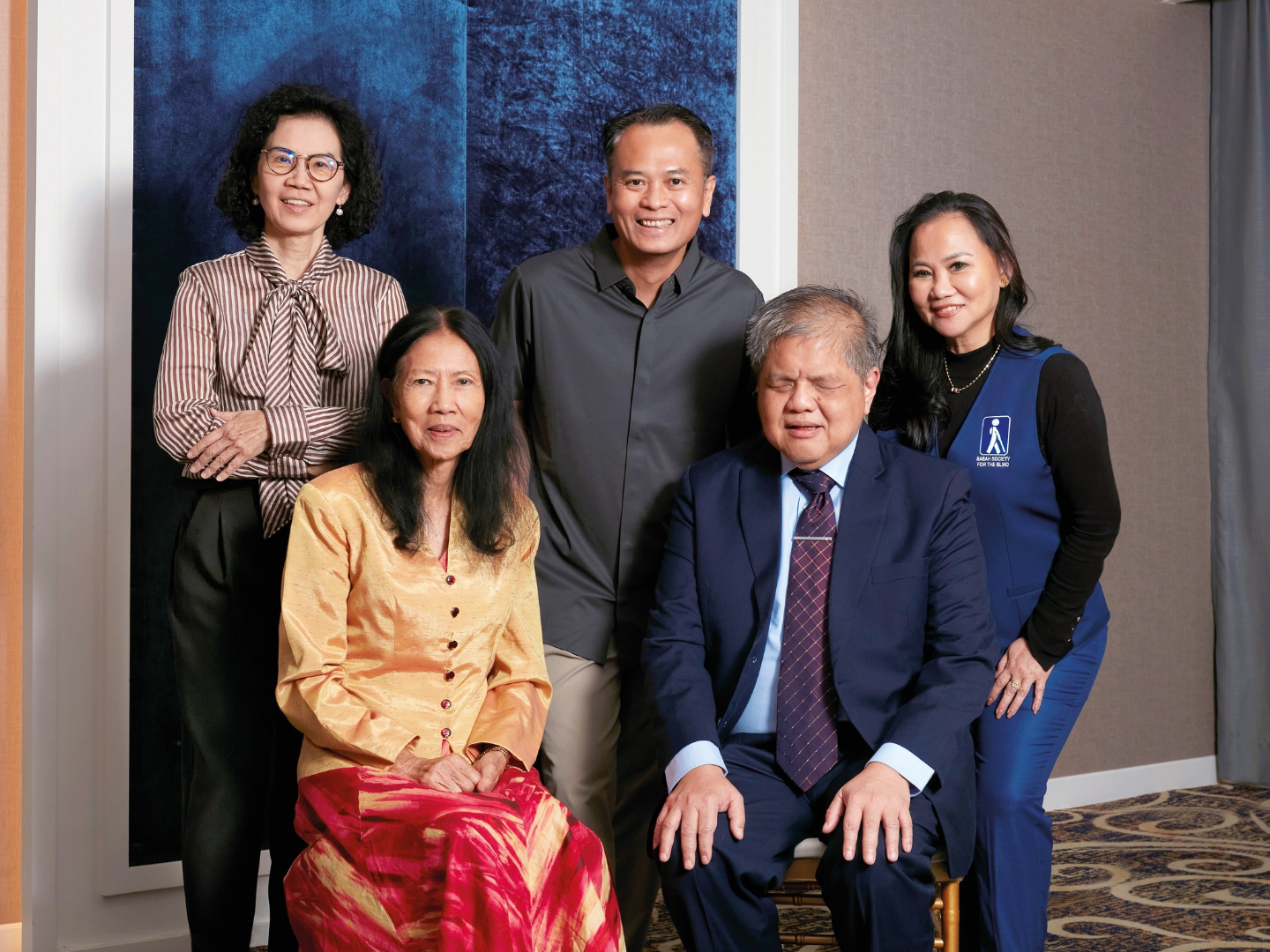
Seated: NCBM president Datuk Rosalind Chew and executive director Wong Yoon Loong
Standing: NCBM secretary Roy Chai Heng Hock flanked by Sabah Society for the Blind vice-president Phang Joo See (left) and secretary Vilina Passon John (Photo: SooPhye)
Opportunity, not charity: This is what blind and visually impaired (BVI) individuals in Malaysia want. Training, support and acceptance can equip them for employment, building skills and confidence for self-sufficiency.
Many people still think the blind need charity, says Wong Yoon Loong, executive director of the National Council for the Blind, Malaysia (NCBM). Or, they perceive obstacles where there are none.
“Mention work and the first thing employers worry about is how we can travel by ourselves to the workplace. Give us the job first and we will figure out how to get there,” says Wong, who was born blind.
“Of course, we fall here and there, and langgar tiang (walk into a pole). You need to fall only one time and you learn. Our young are taught how to use the cane at school. As for routes, you learn from others. We are close-knit; everyone knows everyone.
“We hope society can treat us the same as other citizens. We’re very proud of the nation’s development and want to play a part in it. We can do it if people accept us fully and give us the support.”
Many remain unaware of the needs of BVI persons, or may lack understanding. “We have to continue talking,” says Wong, who is vocal about not being sidelined by ignorance.
NCBM is the umbrella body for five major voluntary organisations serving the visually challenged in the country: St Nicholas’ Home, Penang (SNH), Malaysian Association for the Blind (MAB), Society of the Blind in Malaysia (SBM), Sabah Society for the Blind and Sarawak Society for the Blind.
There is strength in numbers, and a tally of the years that these affiliates have been championing the cause is heartening. Their efforts, carried out singly or together, are reason for celebration.
SNH marks its centenary this year and MAB, its diamond jubilee. SBM was inaugurated in 1964 while the Sarawak and Sabah societies were formed in 1960 and 1966 respectively.
NCBM, established in 1986, is their official representative. As Wong explains, the BVI community has distinct needs and priorities that require continued attention in national policies, programmes and allocations. The bodies representing them, however, may sometimes compete for funding, recognition and visibility.
“We thought there should be a common platform to discuss the issues affecting us, come to an agreement and then approach the authorities.
“We network and have a good relationship with government officers. If you have something logical to say, they listen. Malaysians are kind and I believe everybody has good intentions. But they might not know what we need; so, we have to tell them.”
A united voice is stronger and brings the groups together to work on shared priorities and resources, turning competition into collaboration, Wong says.
“Working in silos can result in duplicated programmes and services and a waste of resources. Fragmented advocacy and organisational complacency can weaken collective action, particularly when past achievements give the sense that sufficient progress has been made.”
body_photo_-_2026-11-16t113637.944.png
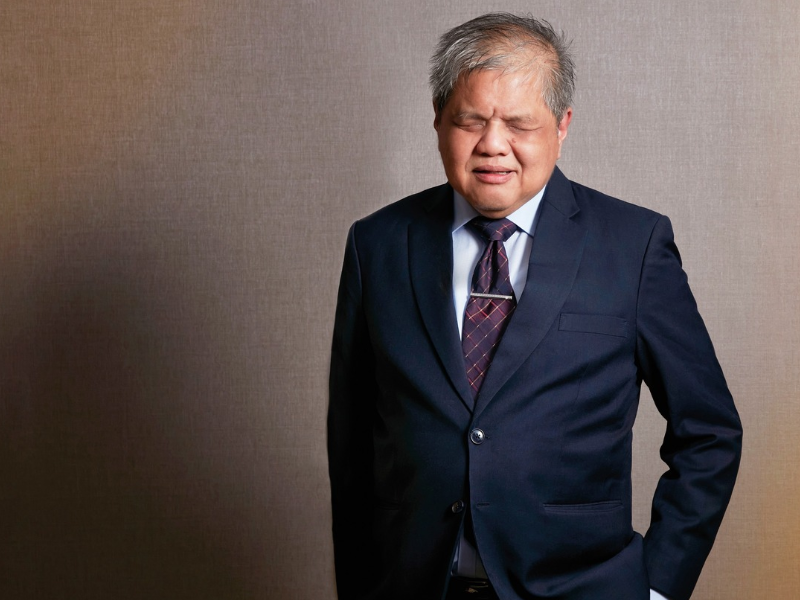
The work is far from done and NCBM, operating from a small office in Brickfields, Kuala Lumpur, is pushing on.
Many services and facilities for BVI children and adults are concentrated in urban areas, beyond the reach of rural and remote communities. Also, parents and families may be unaware of the amenities and opportunities available to the blind.
The good news: Congenital blindness has decreased, thanks to improved maternal and neonatal care, and socioeconomic growth — two key contributing factors. The bad: Adult-onset blindness, resulting from age-related eye disease and health problems, among other causes, is increasing.
Last year, the council introduced the Mathematics Braille Code in accordance with Unified English Braille, after helping to standardise the braille system for school textbooks, story books and reading materials in Bahasa Melayu to be in alignment with the UEB in 2020.
Skills training to meet benchmarks is another challenge. Equally important is ensuring that digital tools are accessible to the blind so information can reach them, Wong adds.
“Technology is a game changer and has transformed the lives of those with disabilities. It empowers and allows us to do things we could not before, like communicate via emails, surf the net or do online banking.”
Mobile apps today can even enable the blind to “see” their surroundings, he beams, picking up his handphone to demonstrate artificial intelligence describing what surrounds him in the room.
While a lot of software is available for free, web designers should note that screen readers cannot decipher visual images. Take infographics or photos on haze hotspots: “If they don’t tell us the information in words, we won’t know.”
In May this year, NCBM organised a workshop on disaster preparedness and what to do if BVI persons are relocated to an evacuation centre after, for example, an earthquake.
The community is not the most vulnerable, he says, but action is necessary for their protection and well-being. If food is provided at the centre, they must know where to get it. If they have to register online, they should get help to go about it.
Companies are pitching in to enable persons with disabilities to be more independent, a fact Wong appreciates. PWDs ride for free on trains and buses operated by Prasarana Malaysia. Hong Leong Bank has installed a talking ATM in every state while Maybank is in the process of putting up braille signs showing users where to scan their QR codes.
“We use Grab to travel from door to door. Every time they upgrade some app and it doesn’t work, I will write to them and they’ll try to fix it.” He is excited about driverless cars because “I can hop in and set it to go home”.
For now, he keeps his ears open for electric vehicles — “they are quieter than petrol-powered cars and we cannot hear them coming” — emphasising the importance of white canes, a mobility tool for those with vision problems, and reminding drivers to stop and let them cross.
body_photo_-_2026-11-16t113629.824.png
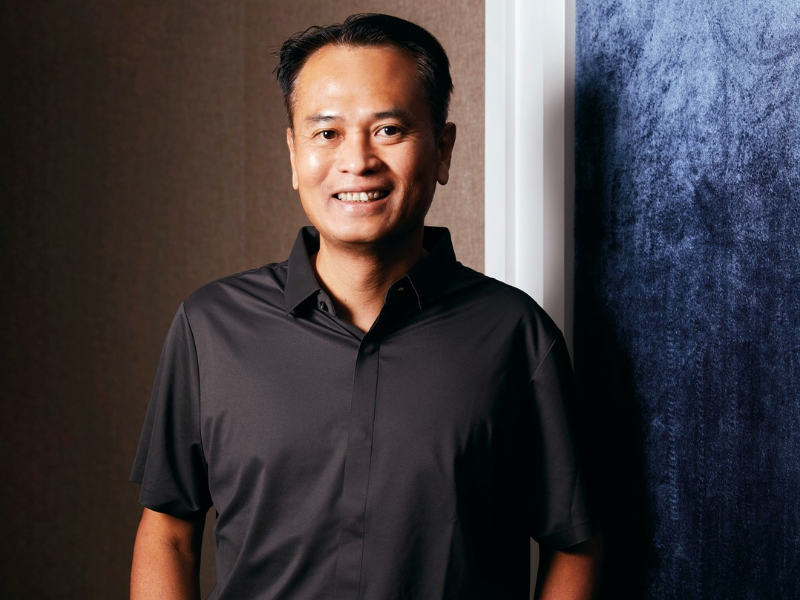
Wong is exemplary of someone who holds his own alongside the sighted and has achieved far more than many. Born in 1966, he left his KL home at the age of five to study in SNH, one of just two special schools for the blind in the country then. The other was Sekolah Kebangsaan Pendidikan Khas Princess Elizabeth in Johor Bahru.
“I understood the situation. I knew that if I wanted education and to be successful, I needed to go.”
His six years at SNH were a time of “playing, sleeping, fighting and studying together” with fellow residents. After upper secondary in a mainstream school, he moved out of the dormitory and into his sister’s home. Supportive classmates helped him commute to a pre-university programme daily. “That gave me a sense of full inclusion, which became the foundation of my university studies.”
An interest in politics led Wong to study international relations at Universiti Malaya, where he learnt “to negotiate, understand each other’s culture and differences and navigate the world”.
He graduated in 1989 and joined MAB, which was planning to build a new complex in Brickfields to consolidate its services. “They needed someone proficient in Bahasa Malaysia to liaise with government officials.” A decade later, he did his master’s in special education.
He stayed with MAB until 2006 before returning to SNH for a while. Subsequently, he joined NCBM and became executive director in 2022.
Statistics from Malaysia’s Social Welfare Department showed 70,604 registered persons with visual impairment as at Aug 31. About 10% of BVI students who complete their formal education enter university. The majority of the remaining cohort take up vocational training, with traditional blind massage being the most popular choice.
Those with a talent for music have pursued it and are sought after for events, such as singer Alfred Ho and pop-rock band Caliph Buskers, who amped up NCBM’s 40th anniversary dinner in KL on Sept 10.
“Massage is lucrative,” Wong says. NCBM president Datuk Rosalind Chew, who also heads the Sabah Society for the Blind, concurs. Jobless members given training at the Wallace Centre in Tuaran now get calls to massage hotel guests, besides lines of visitors at tourist spots.
Asked about the council’s immediate goals, Wong lists low-cost housing, equitable healthcare and more work opportunities for BVI persons. “The government has set a 1% employment quota for us. In reality, the figure is 0.6%.”
body_photo_-_2026-11-16t113623.220.png
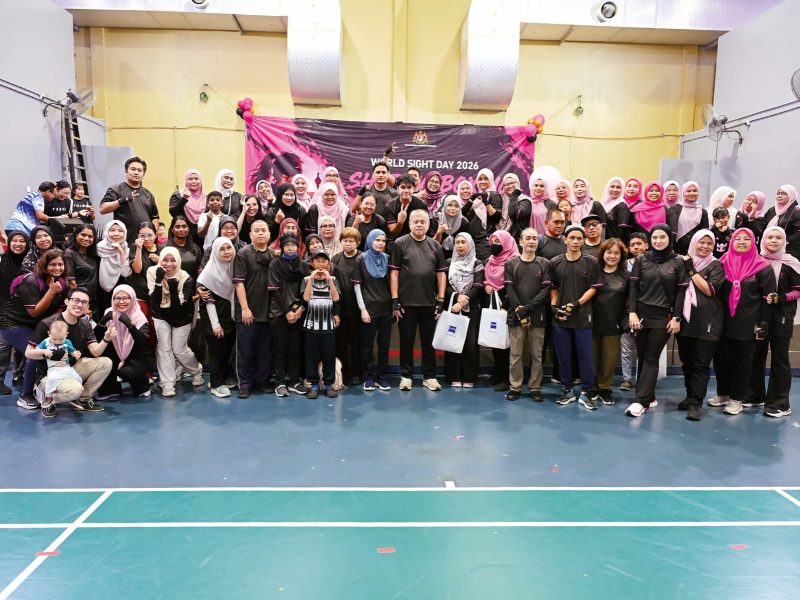
NCBM is a member of the Malaysian Confederation of the Disabled, of which Wong is president. It has been working closely with the government to come up with an action plan for persons with disabilities for 2026 to 2030.
“[On an international level,] we are in the final stage of submitting the country’s first report for the Convention on the Rights of Persons with Disabilities to the UN. It is long overdue,” he says. Malaysia had ratified the CRPD in 2010, strengthening its commitment to a rights-based approach to disability.
Wong also sits on the executive committee of the World Blind Union, which focuses especially on education, employment, technology, disaster risk reduction, women and youth. It challenges stereotypes and dismantles barriers to fight for the rights of blind and partially sighted people in 190 member countries.
In June, the Malaysian government announced that the deafblind community has been recognised as a subcategory within the multiple disabilities classification. This welcome move raises hopes for targeted intervention programmes, financial aid and specialised policies for those living with both impairments.
Reflecting on the ongoing plans and programmes by the groups under NCBM, Wong is happiest seeing BVI persons earning enough to support themselves and their families.
“Our aim is to ensure that every blind person here gets the opportunity for education, training and employment, no matter where they are. After a century of compassion, we look forward to another century of equity and genuine inclusion.”
The Malaysian Association for the Blind’s 75th anniversary charity gala dinner, billed as Night of Brilliance, will be held on Nov 23 at The Majestic Hotel Kuala Lumpur. Proceeds will support the MAB Diamond Jubilee Training & Education Fund. For enquiries, call 019-320 5310 (Azhani) or 012-911 3782 (Hariz).
St Nicholas’ Home will hold its Centenary Charity Gala Dinner on Nov 28 at St Giles Wembley Penang to raise funds for its building redevelopment and improve its services and facilities. For enquiries, call 018-988 5911 or 04-229 0800.
This article first appeared on Oct 26, 2026 in The Edge Malaysia.