
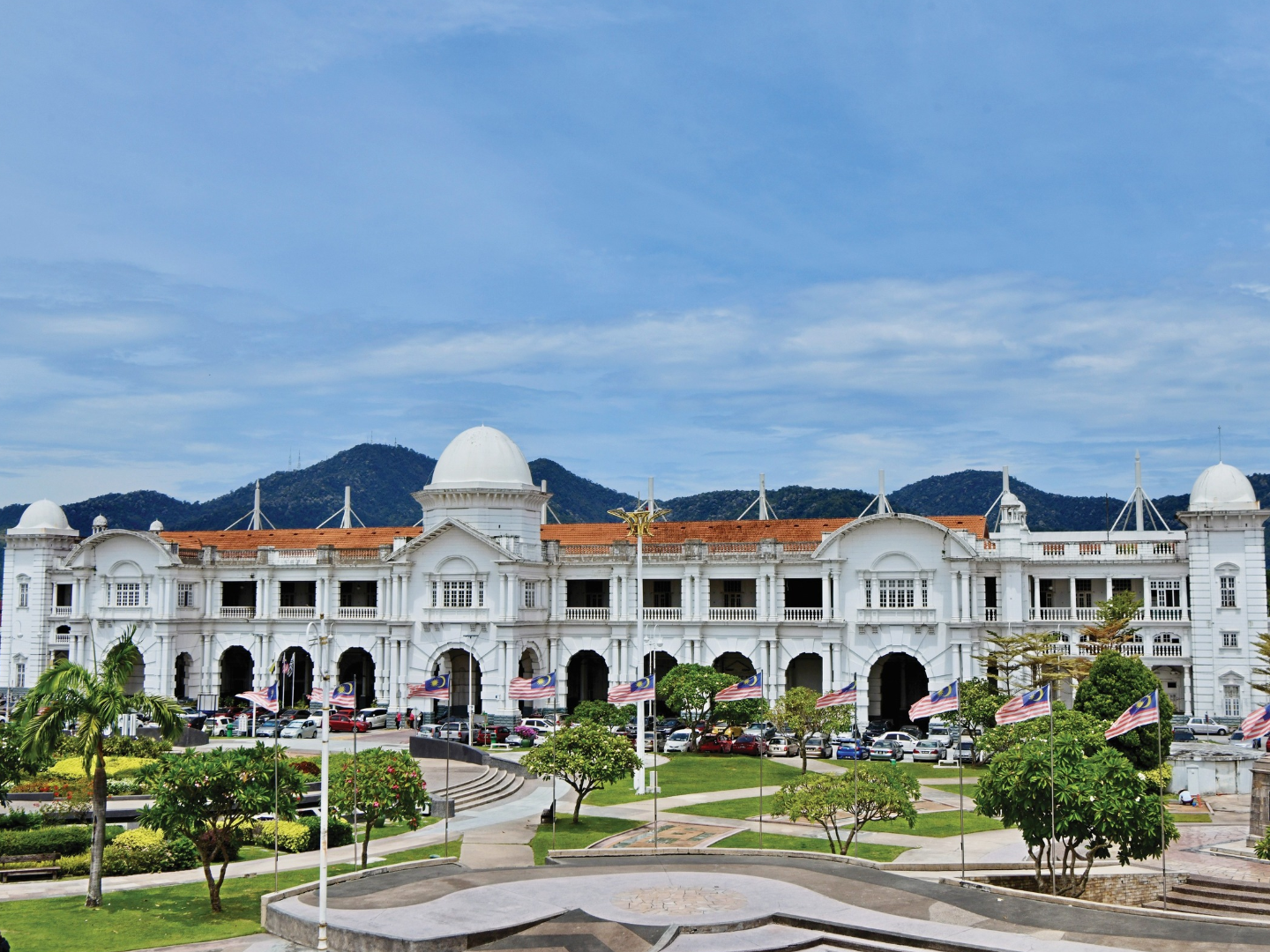
The Ipoh railway station (Photo: Sam Fong/The Edge)
One could not ask for a better, more dramatic backdrop than the ancient limestone hills and pinnacles that surround Ipoh, right in the heart of the Kinta Valley. Once hailed as the “city that tin built” due to the massive tin deposits discovered in the 1880s, modern-day Ipoh is presently on a quest to reinvent itself as a vibrant tourist destination, attracting visitors as much for its arts and heritage offerings as for its heaving food scene.
With the inaugural Ipoh Festival 2026 scheduled to run from Nov 27 to Dec 19, one of the most active personalities leading this vanguard is Puan Sri Dato’ Sandra Lee. As founder of 22 Hale Street, a restored pre-war cultural history museum and event space, and charitable NGO Persatuan Daybreak, the Singapore-born businesswoman and philanthropist is deeply committed to and involved in her adopted home. “Our Urban Regeneration project, which was launched in November 2025, has borne fruit,” she says delightedly.
What started as a simple wish to infuse her hometown with new energy has snowballed into a veritable month-long fest. “I really do want to encourage people to explore more of what the city has to offer,” she stresses. “Ipoh already has a rich heritage, a well-known food culture and a fast-growing creative community. We want to bring these elements together through a collective effort involving local businesses, artists, community groups and the public sector. This also offers an opportunity to explore how public-private partnerships can help bring new activities and experiences to the city. We are inspired by successful festivals such as Penang’s George Town Festival and Urbanscapes in Kuala Lumpur and would like Ipoh Festival to now be an annual highlight on the national calendar… something residents can take pride in and visitors can look forward to. I hope this will be the first step towards building a signature annual festival for the city, a festival Ipoh can proudly call its own.”
body_photo_-_2026-11-25t232528.804.png

Created “by Ipoh, for Ipoh”, as Lee puts it, the festival has a few key KPIs, chief of which are supporting local talent, strengthening the city’s identity and, of course, encouraging people to come from near and far to experience a known and beloved destination but through fresh and new perspectives. “As this is our first year, we are still building awareness and growing our audience. The inaugural edition will give us a better understanding of visitor response and participation, which will help us plan for the future. We hope to attract between 20,000 and 30,000 visitors throughout the festival, including local residents as well as domestic and international tourists. We are treating 2026 as a baseline and will measure what we can on the ground, including attendance and participation, so that future editions can be planned based on actual experience and results.”
A new walking trail has been designed to help visitors discover both Ipoh’s Old and New Towns à pied. “Starting from Ipoh Railway Station and ending at Palo 101, the route takes visitors past heritage buildings, selected murals and recommended food stops along the way,” she says. “It is designed as a leisurely three to four-hour walk and to be discovered at one’s own pace. The map will be available in our festival programme booklet and on our social media channels.”
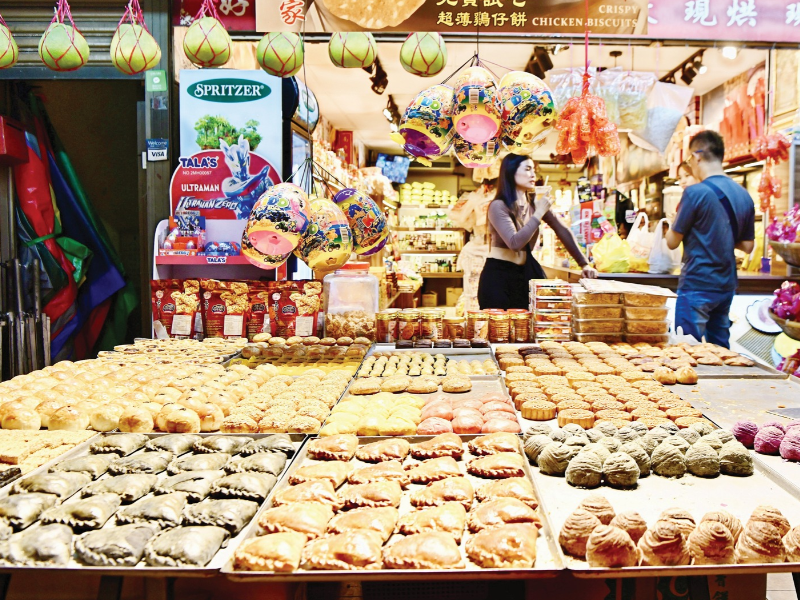
For those who know just how good Ipoh food is, the wise thing to do would be to go for the walk before food-hunting. “Food is such an important part of Ipoh’s identity, so naturally it must have a place at the festival. Our Made in Ipoh exhibition at 22 Hale Street will feature some of the city’s best-known hawker fare while Wayang & Makan di Padang Ipoh, which runs from Dec 10 to 13, will bring together local food and outdoor film screenings in collaboration with Greenery Market. After all, the theme for the festival is ‘Turning the city into a stage’,” she smiles. “This will also be an opportunity for us and the Ipoh City Council to explore how public spaces such as Padang Ipoh can be used for larger community events.”
body_photo_-_2026-11-25t233027.568.png
Experience Tin Alley is an opportunity for visitors to learn more about traditional crafts and the people who continue to practise them. “Through demonstrations and workshops, visitors can discover skills such as wooden signboard making, rattan work and Chinese tea preparation. We hope this will help introduce these crafts to a wider audience, particularly the younger generation, and encourage greater appreciation for the skills involved.
Another not-to-be-missed event is Arts in Action with Empress Jade and friends. “It is something a little different, bringing together live music, contemporary dance and poetry in a fully improvised performance inspired by the audience and the Rootbound art exhibition. Another would be our Food & Arts Crawl by Ipoh Mali Theatre and Indiescapes. We are bringing theatre and live performances into cafés and familiar spaces, giving visitors a different way to experience both the performing arts and Ipoh’s café culture.”
“What makes Ipoh special is that much of its heritage and character remains very much part of everyday life,” she muses in parting. “You see it in the old buildings, the food and the familiar places that generations of Ipoh residents have grown up with. At the same time, there is a younger generation bringing new ideas and activities into the city. I think it is this combination of the old and the new that makes Ipoh interesting.”
For updates on events and locations, see @ipohfestival on Instagram, Facebook and TikTok.
This article first appeared on Nov 23, 2026 in The Edge Malaysia.