
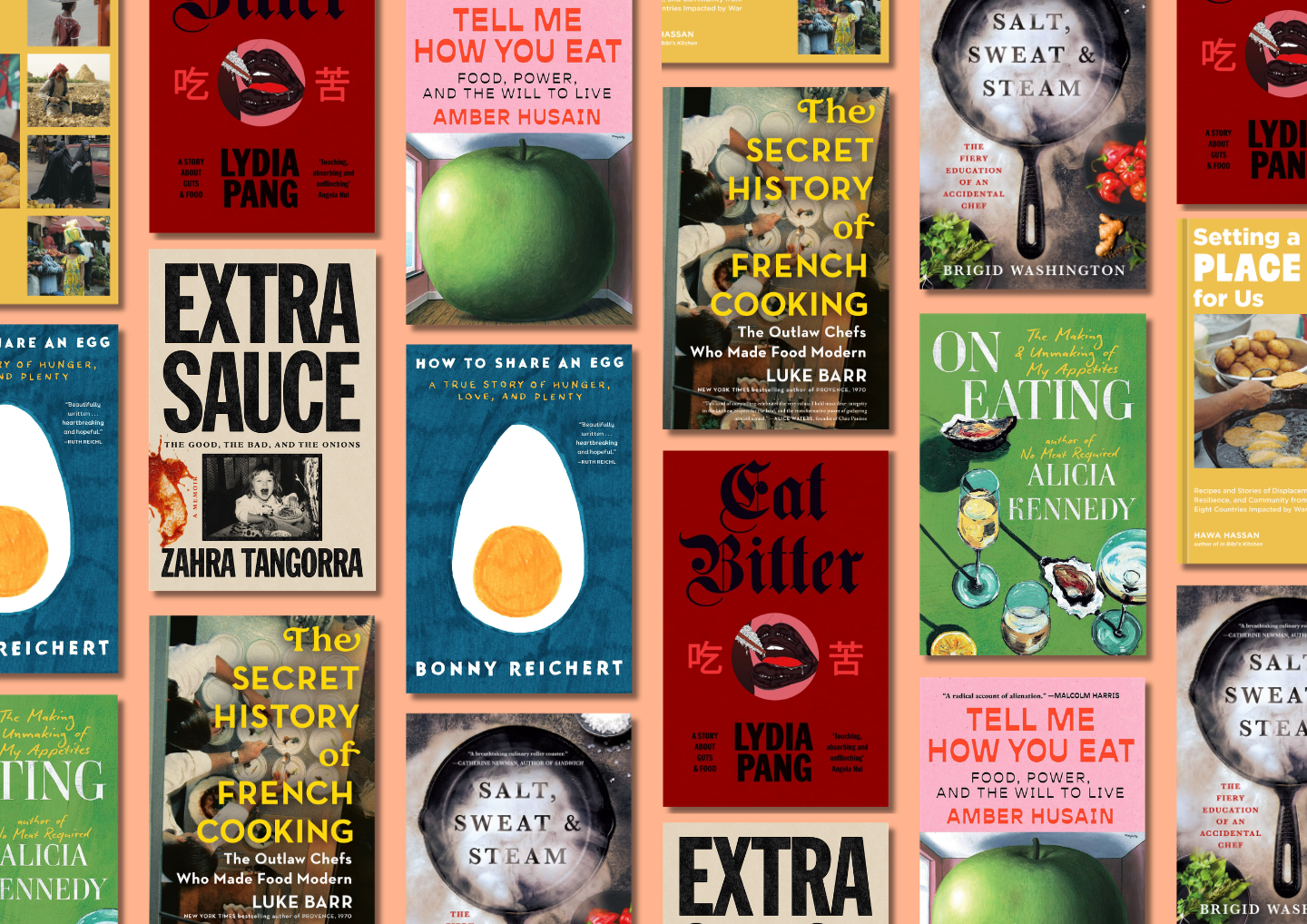
The world of gastronomy is for everyone — professionals and amateurs alike — to devour
Savour these eye-opening memoirs that foreground food as a tool of resistance as well as an expression of personal and cultural identity.

It turns out that French cuisine — which has long projected an air of immutable authority — was actually reinvented by a handful of rebellious chefs in the 1960s who decided heavy sauces were, in fact, optional. Luke Barr tracks the rise of nouvelle cuisine through its ringleaders — Bocuse, Guérard, the Troisgros brothers — and the transformation of the chef from hired hand to auteur. He also recovers the overlooked tales of women doing remarkable work while being studiously ignored by an aggressively male establishment. Add a villainous food critic, some serious backstabbing as well as the origins of the restaurant culture we inhabit today, and this reads like a particularly well-fed thriller.
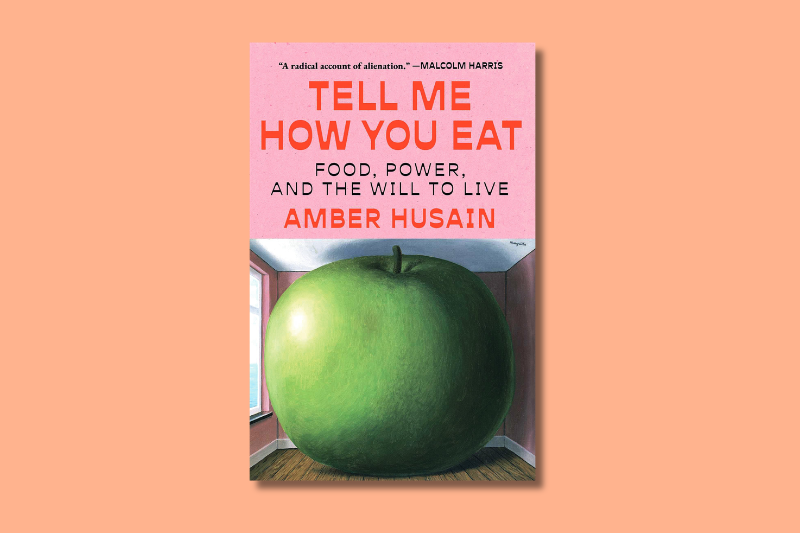
In a climate where every meal carries the weight of moral declaration, Amber Husain found herself unable to eat at all. Her response, eventually, was to pen a book. Part memoir of her unorthodox recovery from anorexia, part sprawling political history, Tell Me How You Eat refuses the standard medical fix of teaching the reluctant eater to make better choices and asks instead what kind of world might actually be worth eating in. The resulting inquiry ranges from fasting saints of the Middle Ages and the Black Panther’s free children’s breakfasts to present-day Gazan food bloggers. Is it true that we will only feel nourished when food is restored as a collective right rather than a personal virtue?
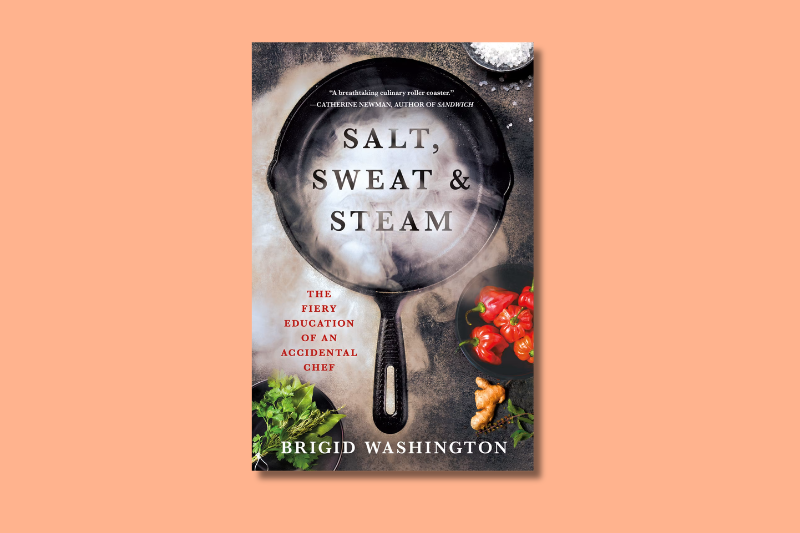
The Culinary Institute of America offers its students 50-quart KitchenAid mixers, CIA-issued knives and bains-marie in every direction — plus a tuition tab substantial enough to ensure the entry-level job waiting on the other side feels like a genuine punishment. Brigid Washington, a Trinidadian who enrolled in the college after a break-up, got an unusually close look at the institution as editor of its student newspaper, moving in a single day from studying the five mother sauces to interviewing Thomas Keller. There are injuries, flirtations, squabbles and dishes spectacularly gone awry. Billed as The Devil Wears Prada for the “yes, chef” era, it will appeal to anyone who has been curious about culinary school but sensibly thought better of it.
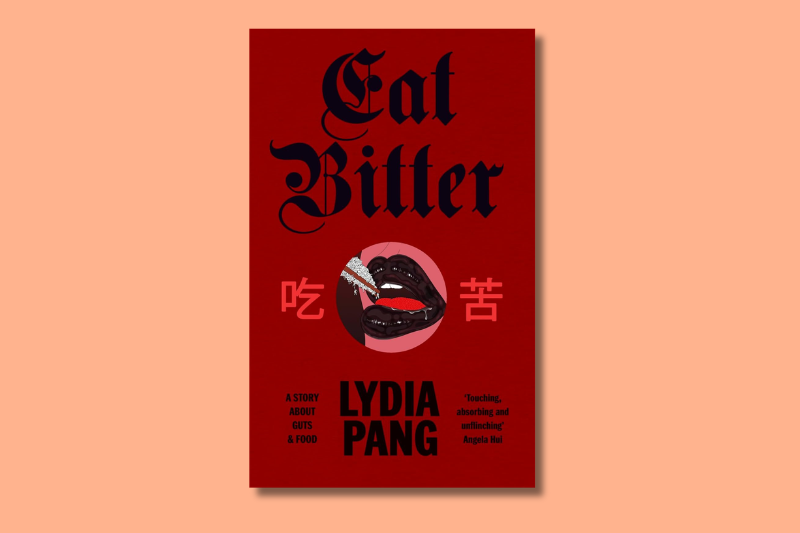
Chī kŭ — “eat bitter” in English — is a Chinese idiom that means to endure hardship before tasting sweetness. For the UK-raised author, her Hakka forebears — a persecuted ethnic group defined by forced migration — made something from very little by building a tradition out of fermenting and foraging. She applies the same philosophy to burnout from corporate success, fertility struggles, a tested marriage and an ailing parent, threading recipes through a personal narrative as memory and medicine. Readers are encouraged to “embrace their shadows” and make things so full of guts they linger long after leaving the room.
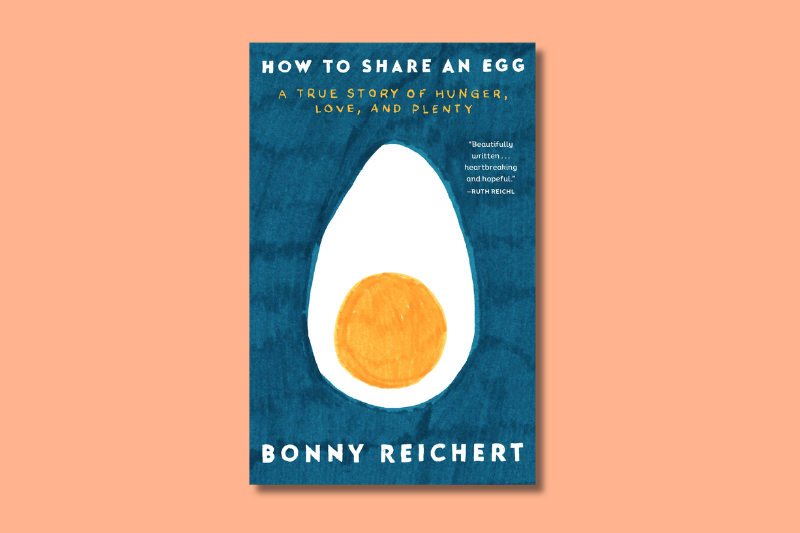
The book begins in 1945, with Saul Reichert on the brink of starvation following his liberation from Flossenbürg concentration camp — his fourth, after Lodz, Auschwitz-Birkenau and Sachsenhausen. It is a brutal opening because the hunger it describes never fully lifts. Bonny, Saul’s daughter, grows up in Edmonton in what might be called a genial childhood, were that not too simple a word for a household shaped by unspeakable history. It is only in her 40s that she finds a language for it. Making cholent, a Jewish stew her father loved before the war, she discovers that a single bite can unlock a past he has never spoken aloud. What ensues is slow, cathartic and hard-won: a chronicle of potatoes, borscht and the long work of repair.
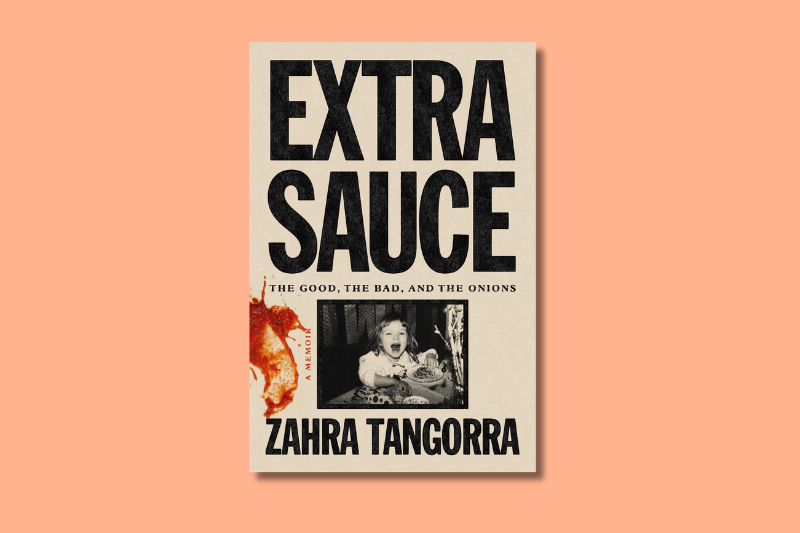
The title is both literal and manifesto: extra sauce is how Zahra Tangorra likes her pizza and, it turns out, how she does everything else. A near-death experience at 22 sends her back to the things she knows and loves: stuffed shells and giant meatballs at the Italian red sauce joint of her Long Island childhood; her mother’s chocolate mousse pie; as well as her father’s sweet and savoury pea soup. From there, the writer goes on to reckon with opening the cult-favourite Brooklyn restaurant Brucie, then closing it at the height of its popularity. Raucous, tender and curated with considerable nerve, this is a biography of the courage it takes to ask for more than you have been given.
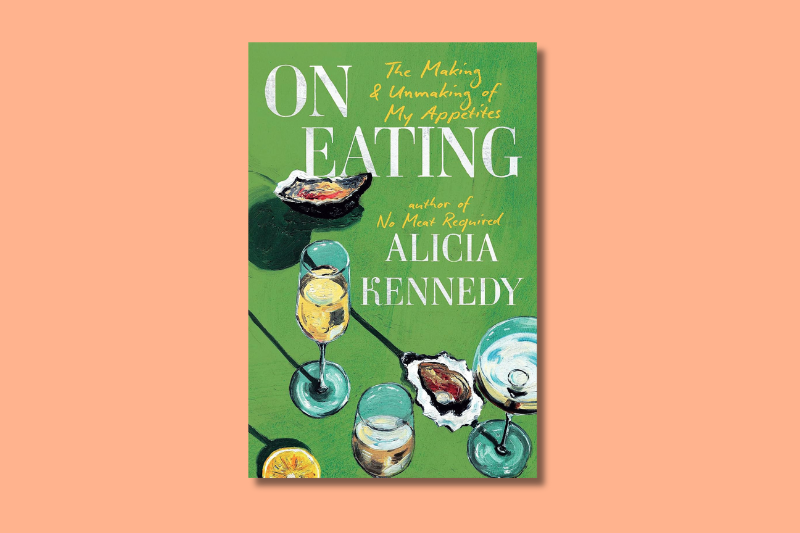
“As a girl, I ate like a king.” So opens Alicia Kennedy’s personal essay — and with it, the confidence of that first line. A New Yorker long based in San Juan, she is already a significant voice in food culture through her influential newsletter and sensational debut No Meat Required. Here, she turns the lens on herself: a girl who loved to eat but feared that cooking might swallow her whole into domesticity and service. Rooted in place — Long Island oysters and martinis, Puerto Rican plantains and sugar — On Eating moves from appetite to ethics, asking whether it is possible to indulge with both joy and conscience in a warming, overworked world.
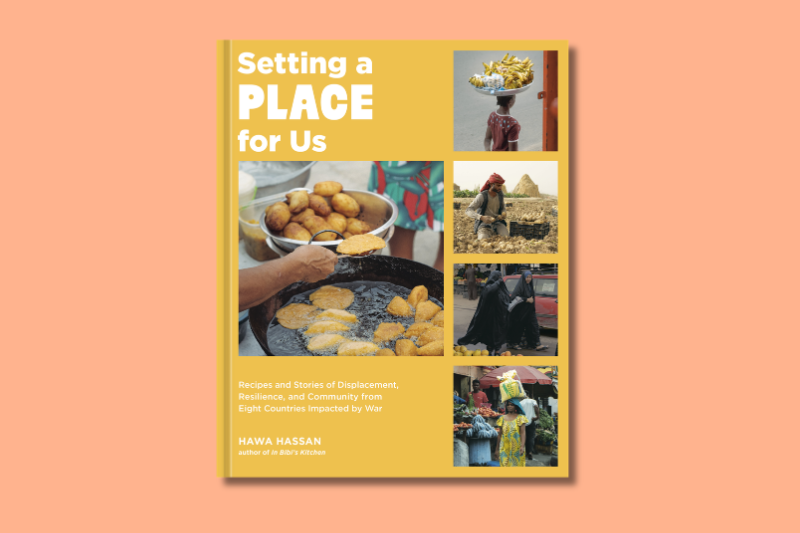
Countries in conflict are rarely portrayed as anything other than their crises. Hawa Hassan, a Somali refugee and James Beard Award winner, pushes back against that reductive tendency with resolve. Moving through eight countries, from Afghanistan to Yemen, each chapter opens with an essay on history and culture before giving way to recipes. The effect is cumulative and radical, reminding us that wherever people are surviving, they are also cooking, preserving, adapting and feeding one another. Setting a Place for Us returns narrative agency to those whose stories the media has consistently flattened into images of disarray.
This article first appeared on May 11, 2026 in The Edge Malaysia.