
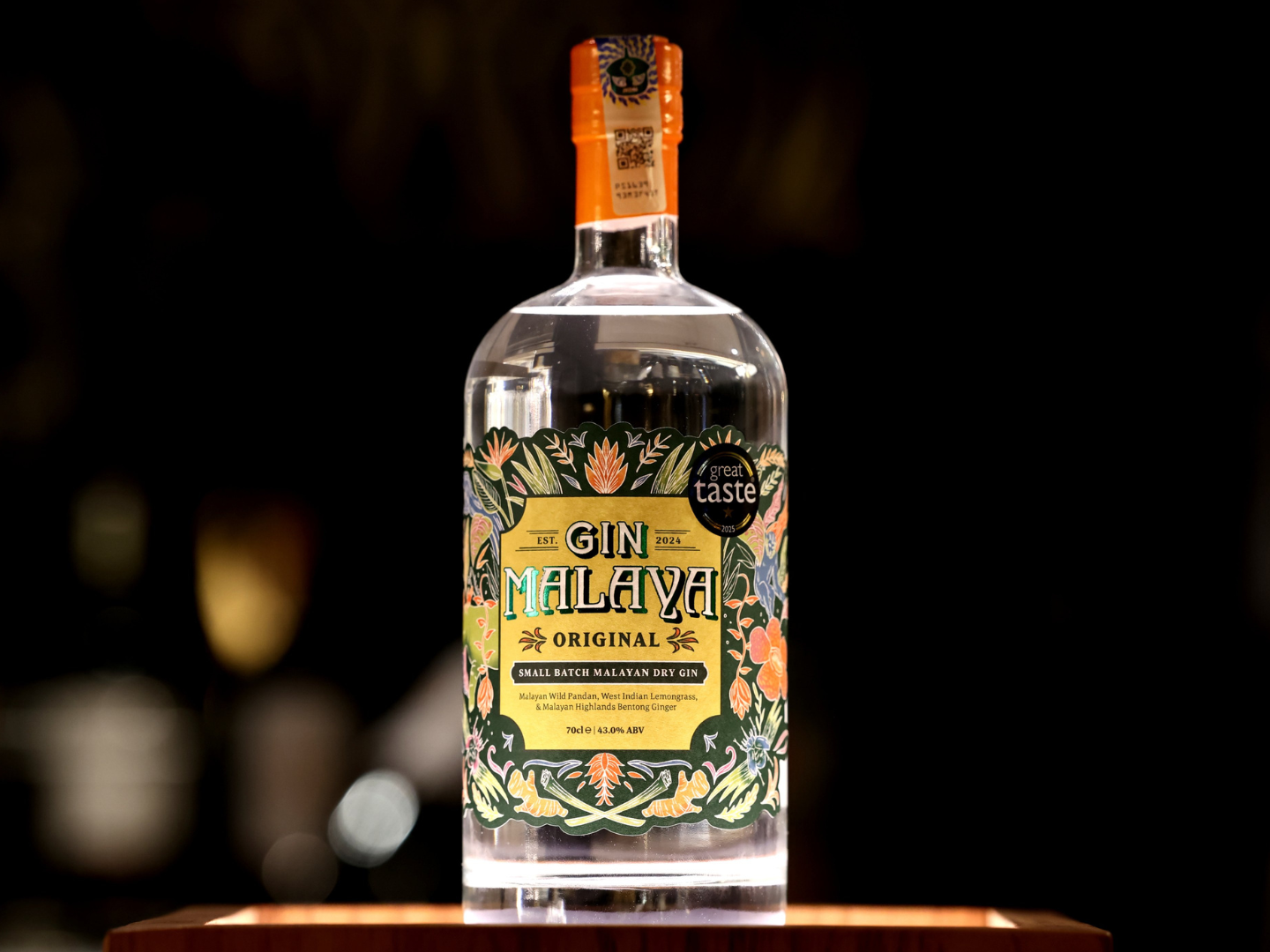
Gin Malaya marked its presence overseas last year in London during the celebrASIA Festival (Photo: Patrick Goh/ The Edge)
Juniper berry, citrus peel and angelica root — these are just some of the ingredients that give traditional gin its signature piney, bright and herbal character. Yet, depending on the specific botanicals it is distilled with, it can adapt to virtually any flavour profile, making it one of mixology’s most versatile bases.
Gin is Foong Eu Jin’s poison of choice, less for the playful link to his name than for its clean finish and drinkability, especially as it opens up with a splash of fizzy soda. A few years ago, over a couple of tipples at Locker & Loft, a speakeasy in Damansara Kim, Petaling Jaya, he and his friends realised that the spirit would be the ideal canvas to spotlight the country’s native ingredients. Gin Malaya also had a nice ring to it, they thought.
“As Malaysians, we’re very influenced by our food and culture. It’s part of our identity,” he says. “Pandan, lemongrass and ginger were the first three ingredients that came to mind. They are sort of the Holy Trinity of Malaysian cooking, from nasi lemak to chicken rice. We were toying with the idea of creating something to share with people who might not be familiar with our flavours.”
The opportunity came four years ago on a trip to Scotland.
“We visited this distillery, where the owner’s wife was also coincidentally Malaysian. We were exploring the possibility of buying a stake in the company. I’m sure we could distil our own gin back home, but the Scots have been doing it for a long time,” Foong says.
Plus, navigating the licensing requirements, sourcing specialised equipment like a bain-marie and proceeding without pristine highland water — not to mention mastering the craft itself — proved to be an overwhelming ordeal. After a few rounds of negotiations, they managed to buy into Crossbill Distilling in Glasgow.
1.png
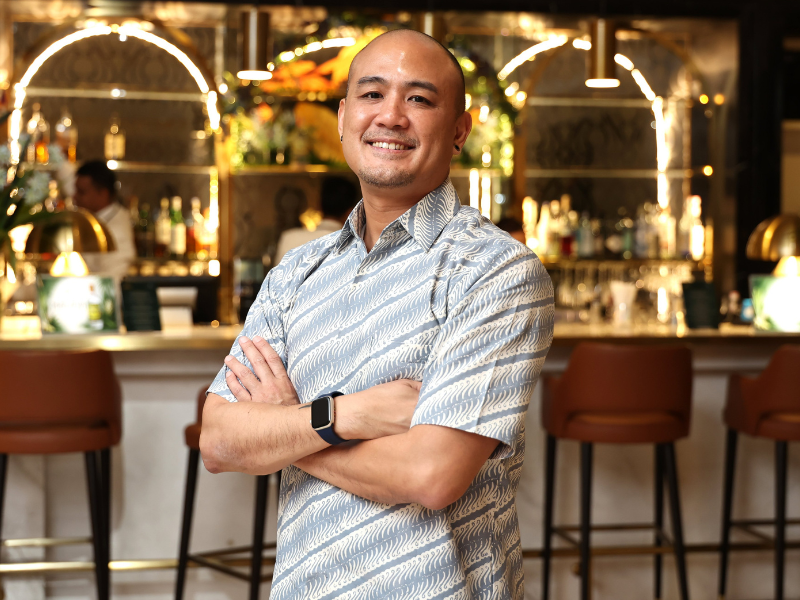
Named after a finch endemic to the British Isles, Crossbill brings two decades of experience, with gin production at its core for around 15 years. Instead of using an array of herbs, the company focuses on selected wild botanicals harvested by hand, which are then slowly macerated and distilled to yield small but distinct batches reflective of the season.
“What’s unique about it is that it gets first dibs on fresh Scottish juniper berries, so the gin doesn’t have the muskiness that comes from dried juniper. It tastes fresher and goes really well with our ingredients,” he adds.
Turning Gin Malaya into a reality brought a steep learning curve for Foong and the brand’s two other co-founders. Months of R&D (research and drink, as he jokingly calls it) included consecutive days of refinement.
“It was important for us to get the balance right. We’d distil a recipe and taste it. If it didn’t work, we’d try again. We’d also bring home some samples to share with friends to get feedback. The tough part was, because the master distiller is a Scotsman, he didn’t quite understand our palate in the beginning. We had to really try to convince him,” Foong shares.
As for the core botanicals, Gin Malaya teams up with selected local smallholder farmers.
“For example, we source the pandan leaves from a farm in Segamat. These we have to export as soon as possible because they can release water. We get lemongrass from Semenyih and we dry it out here first. Bentong ginger is stronger and because it has a longer shelf life, we can safely ship it over.”
2.png
A quick whiff of Gin Malaya Original brings the pandan, lemongrass and ginger’s unmistakable aromas to the fore. It is bold, crisp and spicy with a lingering bitter aftertaste on its own, but a few ice cubes loosen and unfurl its punch.
There is also the Gin Malaya Kantan, or “laksa in a glass”, as Foong has been told. With rosehip in the mix, its zesty floral fragrance is warm and inviting. On the palate, its sharpness is rounded out with a subtle sweetness.
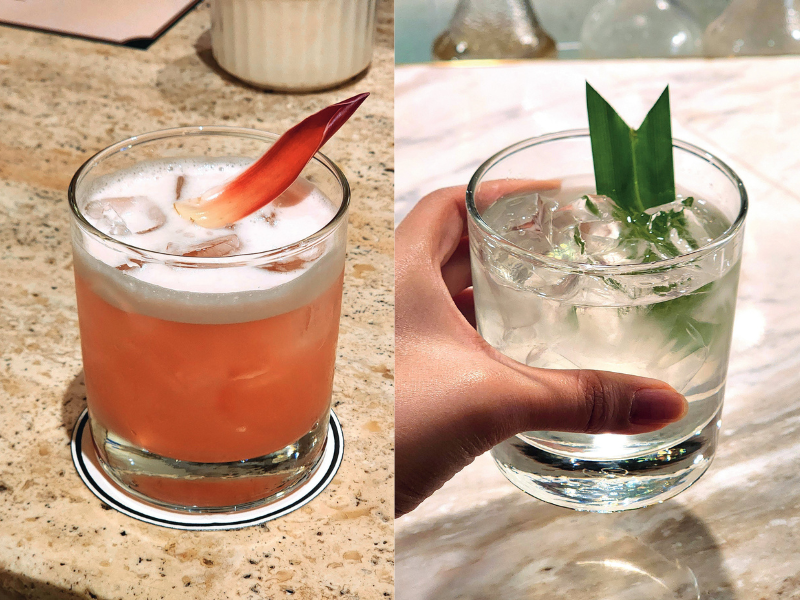
A curated selection of Gin Malaya cocktails is available at RC Bar at The Ritz-Carlton, Kuala Lumpur until Oct 31. For an easy opener, opt for the Malaya Rock, where the Original is mixed with pandan syrup and refreshing coconut water. For a fuss-free highball, the Kantan Fizz combines the latter with lemon, a puree made from torch ginger flower and soda.
Since launching in 2024, the brand has been quietly making a name for itself. Last year, it marked its presence overseas by leading a gin masterclass at London’s Battersea Power Station during its celebrASIA Festival.
“We’re doing it again in September and setting up a cocktail bar this time,” he shares.
To build industry credibility, the team has actively entered international competitions, earning a star at the Great Taste 2025 blind-tasting event and a bronze medal for quality, value and packaging at the London Spirits Competition.
The bottles also sport a more vibrant packaging to stand out on the shelf. Highlighting our local flora and fauna, it features whimsical hand-drawn designs of the rhinoceros beetle, rafflesia, gibbon and tapir.
Looking ahead, Foong aims to enter Gin Malaya in more global competitions to secure even higher ratings, and penetrate the US market. Simultaneously, the team plans to partner hotels across Malaysia to position the spirit as a quintessential souvenir for travellers.
This article first appeared on Aug 31, 2026 in The Edge Malaysia.