

With smart glasses on the rise, Luxury brands built on discretion must adapt to an age of radical visibility (All photos: Meta)
The luxury realm has always depended on controlling the gaze. From intimate salons and embargoed previews to invitation-only presentations, it is constructed on the careful management of who gets to see the merchandise, when and under what circumstances. The customer, in this arrangement, is a supplicant — admitted on approval but quietly discouraged from wondering why a sacrosanct Birkin bag sometimes costs more than a gently used BMW.
But with a pair of Meta’s Ray-Bans perched on a shopper’s nose, that sacred boundary between myth and manufacture begins to dissolve. Worn as casually as a pair of Persols, the newest artificial intelligence (AI)-enabled glasses can not only translate signs and identify landmarks in real-time but also, less innocuously, furtively record what unfolds on the shop floor. Whispered discussions about waitlists or glimpses of stockrooms housing supposedly scarce goods can be chronicled without the tell-tale lift of a smartphone or the social cue that someone is documenting the moment. The mechanics that sustain exclusivity, once confined to private conversations and back offices, are thrust into the open.
This phenomenon is part of the broader rise of point-of-view (POV) shopping: the practice of capturing retail experiences from a first-person perspective and sharing them with a wider audience.
The technology amplifying this trend further is disarmingly inconspicuous. Meta’s nifty spectacles conceal an ultra-wide 12-megapixel camera, five microphones and an integrated AI assistant within frames that, at a glance, are virtually indistinguishable from classic Wayfarers or Headliners. A simple voice command — “Hey Meta, take a video” — instantly activates the device, leaving the wearer’s hands entirely free to examine a five-figure cashmere coat or pet an exotic leather tote. While a built-in LED indicator is supposed to alert bystanders that filming is underway, modders have already circulated workarounds to disable the light online, suggesting that the privacy safeguard is more symbolic than foolproof.
2.png
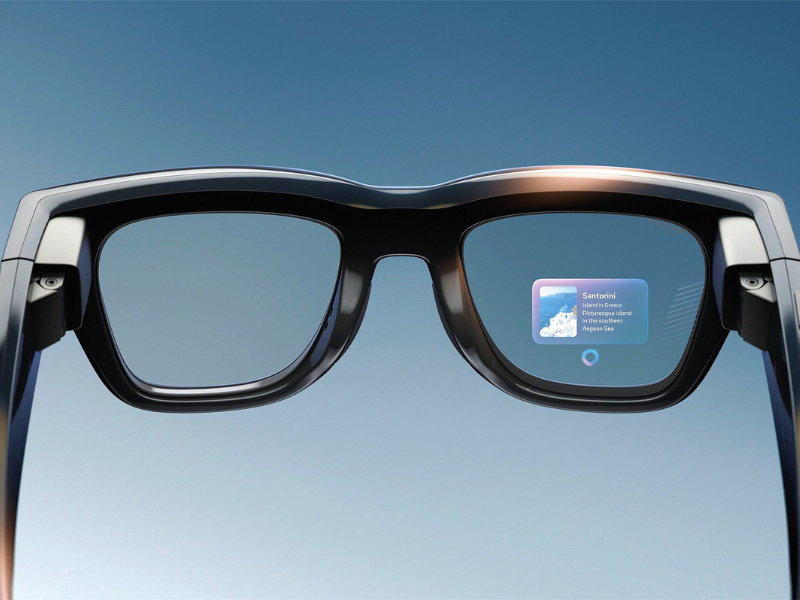
The resulting footage is rendered in crisp 3K video at up to 60 frames per second — sharp enough to zoom in on the glue stains of a carryall with roughly the same practical purpose as a reusable grocery bag or reveal micro-scratches on a coveted watch that, despite its lacklustre craftsmanship and unremarkable finishing, still remains frustratingly out of reach. Operating like a documentary crew in plain sight, users can even livestream directly to Instagram and Facebook, seamlessly toggling between their eyewear and smartphone mid-broadcast.
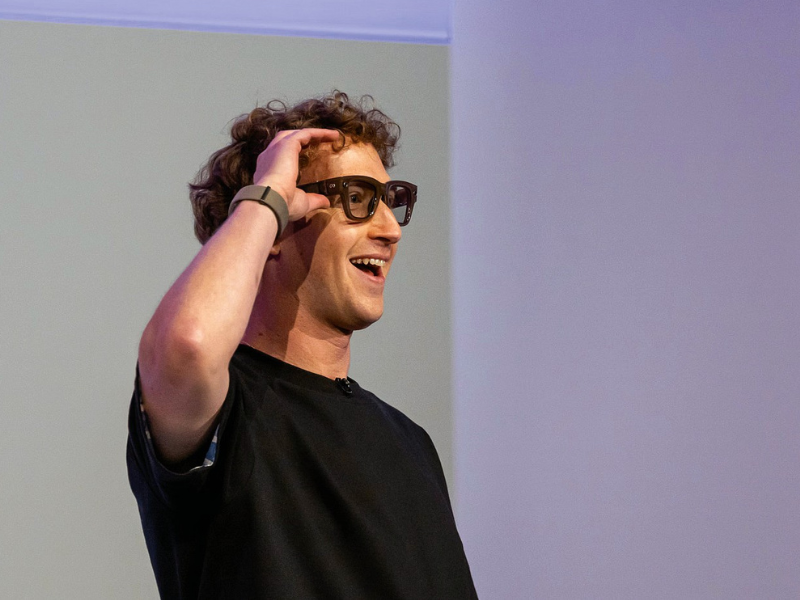
“Glasses are the ideal form factor for personal super-intelligence because they let you stay present in the moment while getting access to all of these AI capabilities to make you smarter, help you communicate better, [as well as] improve your memory and senses,” asserts Meta CEO Mark Zuckerberg of his latest invention, which reportedly sold nearly seven million pairs last year. But, come on, if technology is expected to shoulder the burden of small talk, civilisation is surely in deeper trouble than we thought.
Predictably, consumers are not exactly using this novel “super-intelligence” to solve world hunger but instead to storm the gates of elite heritage houses. This is not a futuristic threat. POV shopping — in high definition, at that — is already an internet obsession. The hardware has spawned an entirely popular genre of viral voyeurism, fronted by lifestyle evangelists such as Rafal Krolak (@thenorejectionguy), who invites viewers to “live your dream life through my eyes”. Social platforms are now awash with eye-level dispatches from what are effectively walking human tripods: creators requesting the most expensive item in a Patek Philippe boutique or interrogating sales associates about suspiciously affordable products. In effect, carefully cultivated notions of desirability are no longer debated among clients over champagne but litigated in the unforgiving court of the comments section.
By streaming every visit raw and unedited, the promise of scarcity gives way to the cold, logistical reality of commerce. Suddenly, maisons are no longer simply staging a performance, ritual or an exclusive “party”; they are finding themselves exposed to new reputational hazards as influencers tear down the velvet ropes. Customers, after all, are guests, and guests, as any good host will tell you, are never invited into the kitchen.
In the US, filming and posting people in public spaces without consent is generally lawful unless they are captured in nooks where there is a reasonable expectation of privacy, such as restrooms or changing areas. While retailers can often rely on strict private-property trespassing laws to remove unwelcome content creators, Malaysia’s legal landscape remains considerably grey. In the absence of clear statutory protections against covert recording in commercial settings, local stores will find that a pair of smart frames presents a challenge the law is not yet fully equipped to address.
1.png
The irony is that attempting to enforce these outdated rules too aggressively could also prove counterproductive. Deploying a stern security guard or a disapproving employee to confront a tech-toting shopper is unlikely to change the outcome; it merely risks generating a high-conflict PR fiasco perfectly tailored for a TikTok feed. If neither formal regulations nor a big sticker on the door can keep the cameras at bay, the industry’s last line of defence will have to be entirely behavioural. Survival in the era of wearable surveillance requires frontline staff to be trained not just as gatekeepers but, on occasion, diplomatic crisis managers capable of defusing situations before they evolve into tomorrow’s spectacle.
There is, of course, more than one way to read the same lens. What appears to be a menace to luxury’s meticulously guarded mystique may also be an unexpected point of entry into a generation of buyers deeply cynical about polished corporate messaging. For decades, the playbook relied on hyper-curated, multi-million dollar ad campaigns to project an untouchable ideal. Smart glasses have collapsed that distance, stripping away the sterile artifice of traditional marketing and humanising a fantasy that customers could admire but never quite inhabit. French conglomerate Kering is preparing to launch smart glasses under the Gucci banner in partnership with Google next year, potentially becoming the first major luxury label to enter the AI-powered eyewear market.
Ultimately, legacy brands will have to accept that they cannot keep the curtains drawn forever. If the house is going to be watched after all, it had better learn to put on a show worth watching.
This article first appeared on June 29, 2026 in The Edge Malaysia.