
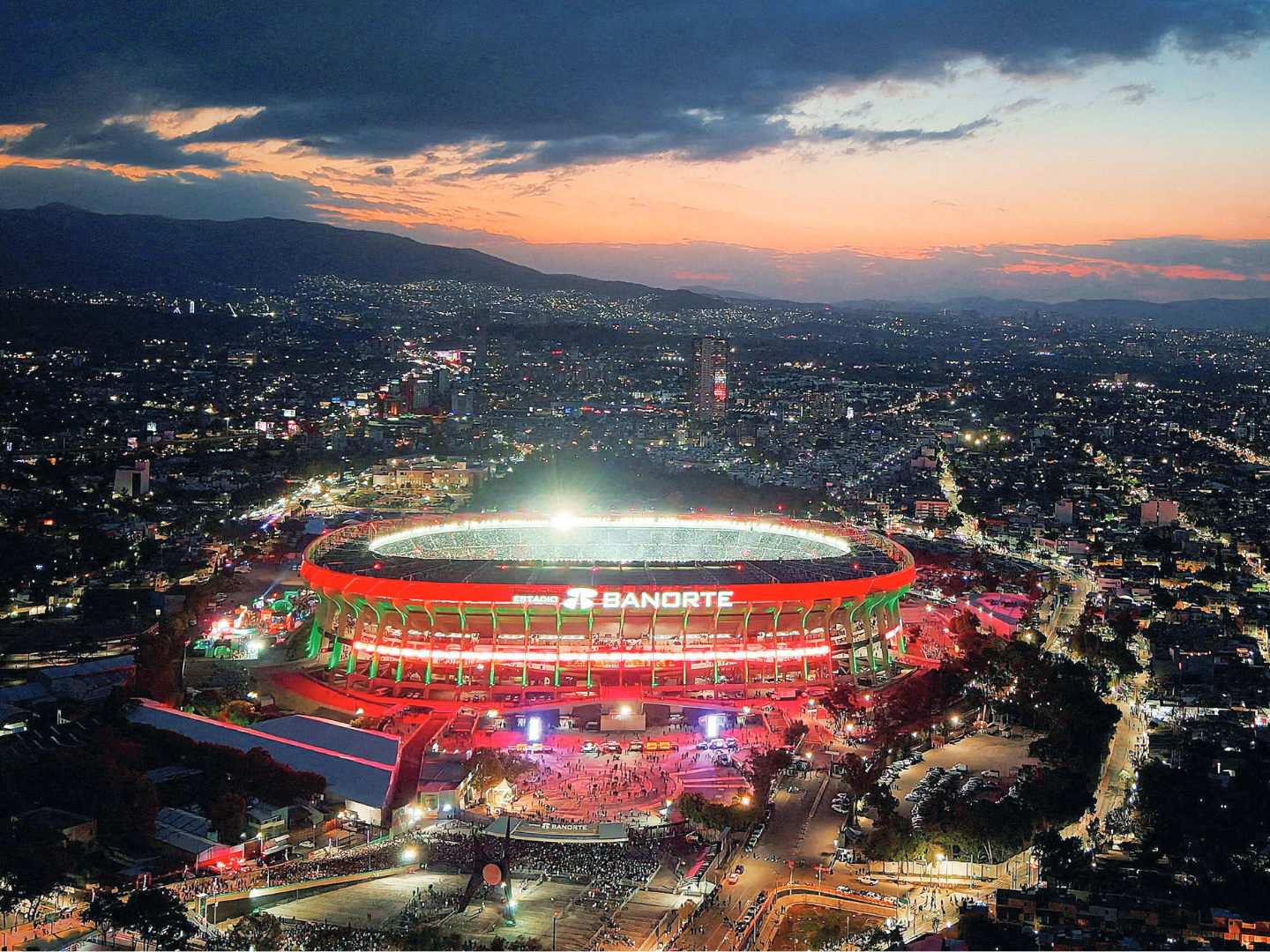
The Estadio Azteca in Coyoacán, Mexico City has the honour of hosting the World Cup's opening fixture (All photos: Reuters)
It could be the best of World Cups, it could be the worst of them. A ceasefire in the Gulf is just about holding; the kick-off is upon us, and like the best matches, the whole 39-day extravaganza in Mexico City could go either way. It could be magical, or it could be an overblown, expensive, disastrous monster. With apologies to Charles Dickens, it is a tale of three countries (the US, Canada and Mexico), 48 teams and 104 matches. And it is a major — and perhaps much-needed — distraction in these difficult times.
Call it an age, an epoch or a season, the build-up has witnessed wisdom overwhelmed by foolishness (a lack of jeopardy in the group stage). It has seen belief stretched to the point of incredulity (ticket prices). And it has light descending into darkness (Fifa joining the scalpers and being subpoenaed for ticketing practices by two US states).
Colossal dud?
With ticket sales slow and hotels in the US’ lukewarm football cities labelling the World Cup a “non-event” — Fifa itself has cancelled tens of thousands of rooms — Newsweek has already damned the tournament as a “colossal dud”.
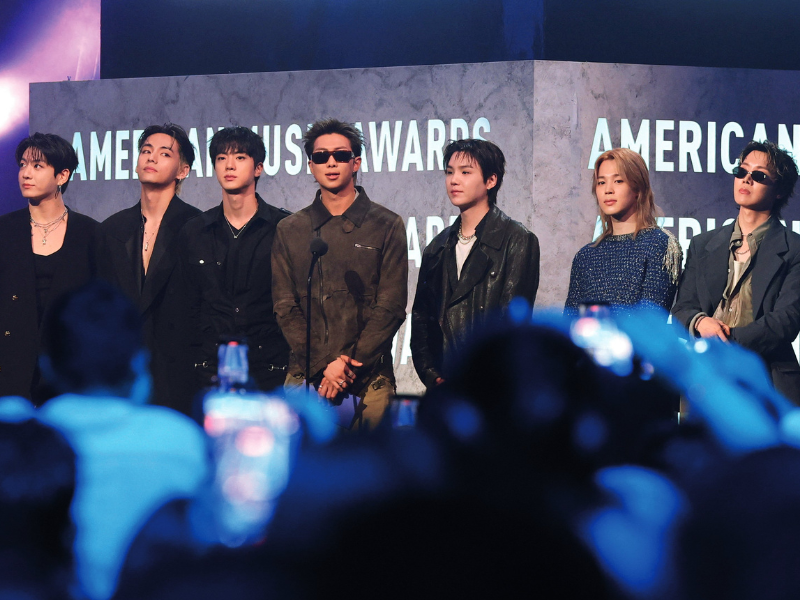
The biggest bones of contention are the pricing, format, heat, distances and Fifa turning it into a corporate event. The association’s president Gianni Infantino says there will be “104 Superbowls”, but is that not one too many? Just to keep attention spans from wandering, he has arranged a half-time show with Madonna, Shakira and K-pop stars BTS — at the World Cup final! You get the feeling that if Taylor Swift could kick a ball, he would insist she play as a striker for the US team.
2.png
So, even though many of the deterrents the US had threatened have not been implemented, the damage has been done. The US$15,000 (RM59,472) bond scheme for individuals from certain countries and five-year social media history reveals have not seen the light of day, while ICE (Immigration and Customs Enforcement) personnel have melted into retreat. But many of the most colourful fans, from countries that President Donald Trump has described in equally colourful language, have been scared away, so there is more room for the silent, suited corporates.
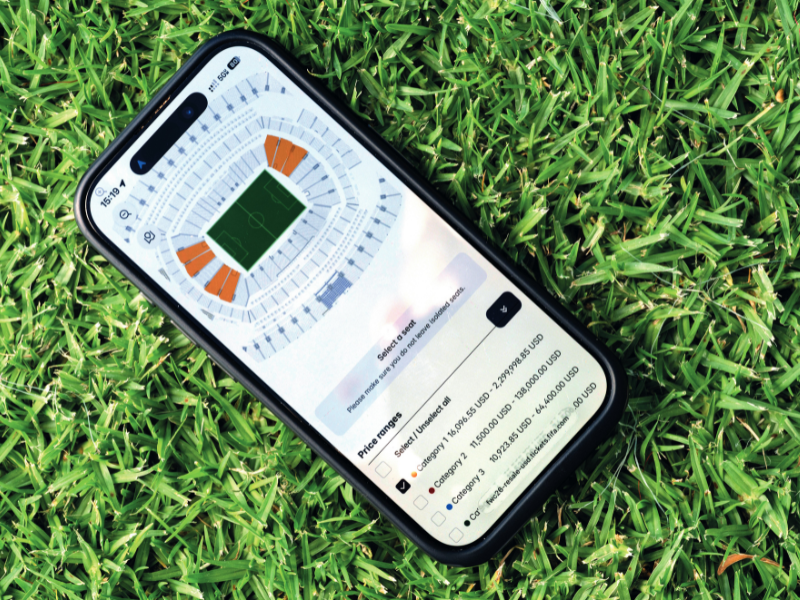
“Every match is sold out,” Infantino said in February, a boast the organisation retracted days later. He also claimed half a billion tickets had been sold. But it was Fifa that had bought them, and then put them back on sale, taking 15% from the seller and the buyer. Instead of controlling ticket sales for genuine fans, the footballing body joined the scalpers.
The US’ opener against Paraguay, its first home World Cup game since 1994, still had unsold seats at over US$1,000 each, three weeks from kick-off. The locals have yet to be swayed by Infantino’s claim that watching this tournament would be like watching “1,000 years of World Cups at once”. Remind you of anyone? He has obviously paid too many visits to the Oval Office.
Lack of jeopardy
Another serious worry is the lack of jeopardy in the group phase. It will take 72 matches to eliminate the same 16 teams that were removed in 48 matches in 2022. Group E on the final day was one of the most dramatic nights in World Cup history, with all four countries — Spain, Germany, Japan and Costa Rica — switching positions throughout the 90 minutes. For three minutes, both Spain and Germany were out. Spain and Japan eventually prevailed.
But these nail-biters cannot happen now. A team can draw all three group games and still advance as one of the eight best third-place finishers. Germany’s successive “early baths” in Russia and Qatar, the sort of results that make nations look into the mirror, would almost certainly not happen under the new format, with two-thirds of the field advancing.
If the format leaves you cold, the conditions will make up for it. As many as 26 matches are likely to be played in temperatures high enough to demand water breaks. But there is still the possibility of games dragging on for hours. At the Club World Cup held in the US last year, one match saw a one-hour and 47-minute delay due to storms and lightning.
Football fever
Despite the doom-mongers, football’s ability to withstand everything thrown at it will surely save the day. At which other event could the host bomb one of the guests, and the seating arrangements be unaltered? Not even the threat of an imminent return to the Stone Age could keep Iran away.
Football fever is remarkably resistant and there is no vaccine in sight. When the final squads were announced this month, the heartbreak felt by players who missed the cut was as painful as when nations fell at the final qualifiers.
The expanded tournament — up from 32 teams in Qatar in 2022 — means that almost a quarter of the planet will be there. The enlargement lit the qualification touchpaper and if one or two big names (like four-time winner Italy) got burnt, you can understand why the celebrations went on for days.
Curaçao, a tiny island off the coast of South America, became the smallest country (population 150,000) ever to qualify for the World Cup. Cape Verde, an archipelago of 520,000 off West Africa, also put the billion-plus populations of India and China to shame. Jordan and Uzbekistan complete a quartet of rookies that have turned a once-impossible dream into reality.
We will also see “forgotten” alumni return from the wilderness. Haiti, destitute and gangster-ruled, made it for the first time in 52 years. Iraq, still bearing the scars of torture by Saddam Hussein’s son, Uday, savoured a rare moment of joy after four tumultuous decades. And they did it the hard way, playing the most qualifiers (21) of any country over 28 months.
The Democratic Republic of Congo is a rebrand of Zaire, whose solitary appearance in 1974 ended in humiliation after a 9-0 hammering by Yugoslavia. Today, its return is overshadowed by the Ebola outbreak, but the team has not been near the affected area and will be allowed in.
Exorbitant ticket prices
1.png
This event has a magnetic field to behold. And it is the saddest of ironies that just when the entry gates opened wider, the doors were slamming shut on their supporters. The combined deterrents of immigration restrictions and off-the-scale ticket prices have kept the numbers down.
And there was a genuine safety scare in Mexico in February when the army killed a leading drug lord, “El Mencho”, who had a US$15 million bounty on his head from the US. It triggered a wave of violence that left the World Cup city of Guadalajara like a ghost town. Parallels with El Chapo and Pablo Escobar were inevitably made, and pressure from the Trump administration was seen to be behind his killing.
The biggest challenge for fans is to the pocket. It is a case of if the bombs and narco lords do not deter you, the prices will. Only the world’s well-heeled can afford to go. The first open ticket sale on April 2 revealed that Fifa is charging US$10,990 to watch the final. As we know, dynamic pricing is a euphemism for “rip-off”, and it is not just individuals who are reeling. Many countries are worried they will actually lose money if they do not make a deep run in the competition.
Fans are apoplectic that tickets cost US$1,000, with parking at US$100 and still a mile to walk at some venues. Do not even think about a burger and taking the kids. Fans of some of the poorer countries would have to work for years to pay for their trip.
An affluent England fan, who is selling his second home for £400,000 (RM2.1 million) to finance the holiday of a lifetime, is now wondering if it will be enough. When Trump was asked about the ticket prices, he answered: “I wouldn’t pay it.”
All said, you cannot get away from the feeling that something is deeply wrong with the tournament — and much has to do with the main host. It has never been held with the hosts or the governing body having quite so many negatives, and now the hosts are likely to sue that body for price manipulation!
Latin beat
3.png
It is a good thing then that North America is not that far from South America, home to two of the favourites and the best-supported nations. Brazil and Argentina can light up a tournament both on and off the field, and as their fans showed at last year’s Club World Cup, their games are going to be different gravy.
Besides being the event’s only five-time winner, Brazil is the most populous football nation and has a large diaspora in the US. Although the current side is non-vintage and laboured to qualify, the Torcedores always believe they can win. The return of the prodigal Neymar, now 34, has only heightened hopes of a storybook sixth title, and their fans are sure to make their presence felt.
Brazil always writes their own script and if they happen to play south of the border, they will be adopted by the locals once their beloved El Tri bow out. Mexicans love Brazil as much as tequila and tacos, and turned both their previous stagings (1970 and 1986) into virtual “home” tournaments.
Brazil’s famous fans never need assistance, though. A year ago, having travelled to support their club representatives, they turned half-empty stadiums into Rio Carnivals for the duration.
This time, the national team will be playing in New Jersey, Philadelphia and Miami, and for each of these visits, the host cities will feel like the Copacabana.
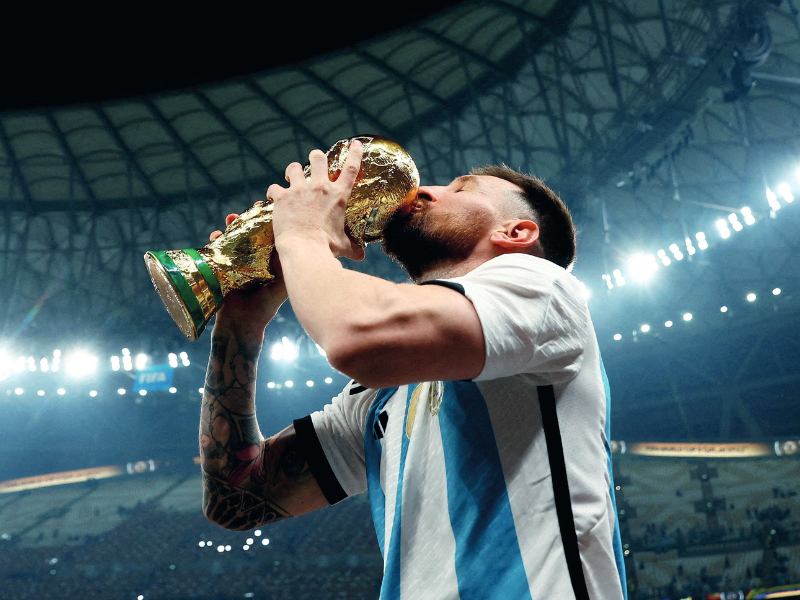
Argentina, who are champions and will be saying adios to the immortal Lionel Messi, are sure to bring a massive following and are no slouches in the vocals department, either.
With Uruguay, Paraguay, Ecuador and Colombia making it six teams from South America, a sizeable chunk of fixtures is guaranteed to have a Latin beat. And with fierce intracontinental rivalries between them and the two Big Boys, there will be no such thing as a dud game. More likely, they will have their own CONMEBOL carnival. And whatever has gone on before, if the best teams get through, the stadiums will be filled and it will feel like a World Cup.
Perhaps a bit of history might remind them that in football, nothing is impossible. In 1968, admittedly on what seemed like a different planet, Iran won the Asia Cup final 2-1 before 38,000 people in Tehran. Their opponents on that occasion? Israel.
This article first appeared on June 8, 2026 in The Edge Malaysia.