
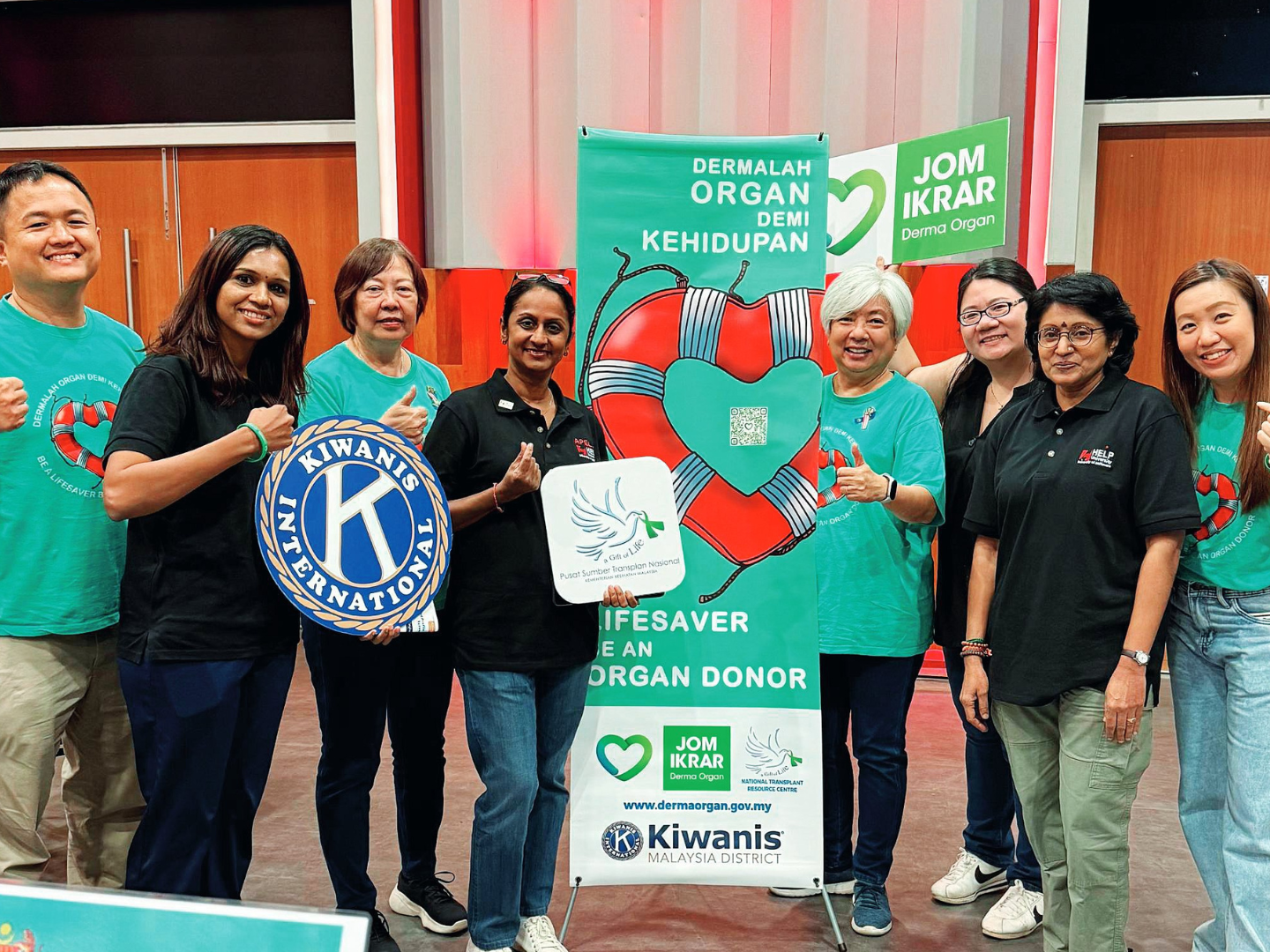
Rosemary Tan (fourth from right) with other members of Kiwanis Malaysia and representatives of HELP University (All photos: Kiwanis Club of Kuala Lumpur)
According to the United Nations, about 3,000 to 5,000 children are born with Down syndrome each year, an incidence which occurs when an individual has an extra full or partial copy of chromosome 21. In Malaysia, this figure translates into about 500 children annually.
Beyond biology, the impact of Down syndrome extends into something less measurable — quality of life, access to opportunities and the way society chooses to understand, support and include your needs.
“In the early days, focusing on Down syndrome was a lot harder. But now, awareness has grown immensely,” says Rosemary Tan, president of Kiwanis Club of Kuala Lumpur (KCKL).
As one of the organisations at the forefront of advocating for the Down syndrome community, KCKL is well known for championing the cause. However, its efforts stretch much further than that, says Tan.
Although united by a shared mission to serve children and build stronger communities, Kiwanis clubs across the country have taken on a range of other causes, from supporting indigenous communities to assisting the elderly and the underserved B40 (bottom 40% income group).
Decades of service have been marked by significant achievements. This year, KCKL celebrates its golden jubilee, having been founded in 1976.
Established in Michigan in 1915, the global organisation was invited to Malaysia by the late Tan Sri Datuk Khir Johari. The former minister of education and ambassador to the US was inspired by the volunteer network and chartered a club upon his return to the motherland.
Kiwanis Malaysia’s journey with Down syndrome began when a member, who was also a doctor, highlighted that resources to assist parents and children were scarce. Using a curriculum developed by British clinical psychologist Robert Deller, a proper syllabus was crafted while efforts to start the first Kiwanis Down Syndrome Centre proved fruitful in 1989.
body_pics_2.png
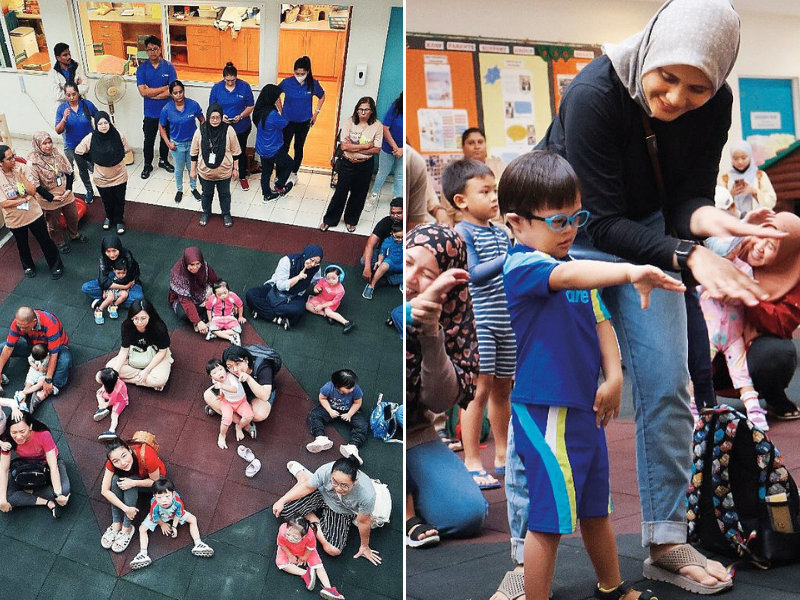
What started out as a modest single-storey house in Jalan Gasing, Petaling Jaya, has since expanded to multiple centres in Selangor, Negeri Sembilan, Melaka and Johor.
Under the umbrella of the Kiwanis Down Syndrome Foundation (KDSF), the units work towards their individual needs to break down barriers to inclusion and acceptance while the foundation itself oversees the entire ecosystem and streamlines services.
Early intervention programmes help children build essential life skills, while training initiatives equip educators and caregivers with the tools for developmental support. This is underpinned by a key philosophy — that learning does not stop in the classroom.
“A caregiver or guardian must come along to learn with the child. It’s important for lessons to continue at home,” Tan explains.
Understanding how each child learns is equally crucial. While academic fundamentals such as reading and mathematics remain important, KDSF emphasises a more holistic approach that recognises different learning capacities and prioritises emotional and social growth.
“When you truly see them, you realise they are always happy. We want to help them build their potential and be contributing members of society. Ultimately, it’s about ensuring they lead purposeful, meaningful lives — towards independence and self-sufficiency,” she says.
Over the decades, the movement’s growth has enabled closer collaboration with policymakers and stakeholders to advocate for more supportive frameworks. Yet, as much as structured programmes matter, the community plays an equally important role, says Tan.
2.png
That belief comes to life at KCKL’s upcoming flagship event — Kiwanis Kartnival Emas — set to take place on April 11 at Montfort Boys Town in Shah Alam. Held in conjunction with the organisation’s 50th anniversary and World Down Syndrome Day, the event is designed in line with the latter’s global theme, “Together Against Loneliness”.
Dubbed Malaysia’s first kart derby-style event, the highlight of the day will see participants racing custom-built, gravity-powered karts down a 140m slope. The Build Your Own Kart concept encourages creativity and sustainability, with teams constructing their vehicles using recycled materials.
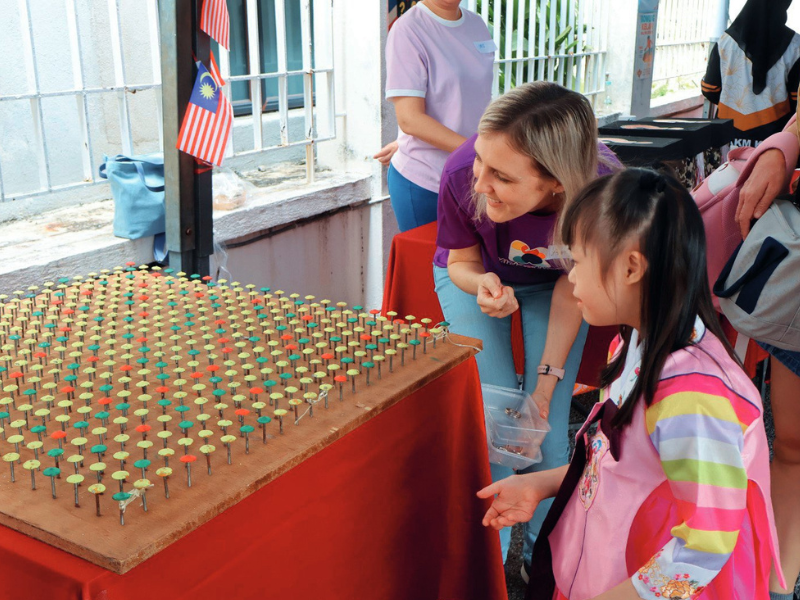
Festivities will extend well beyond the race. Sports teams from schools for refugees and children’s homes will take part in football matches and friendly competitions, while visitors can explore a lively marketplace filled with food, trinkets, games and performances by participating social enterprises and impact organisations.
Browse the artworks of Kirtanraw or try Silent Teddies’ baked goods while children and KDSF alumni take centre stage. Restock your bookshelf with pre-loved reads from Books For A Better World or shop for handmade products by Tanma Federation.
Malaysian safety activist Balasupramaniam Krishnan (fondly known as Captain Bala) will be present as the event’s safety adviser, delivering a special talk while supervising race protocols. Whether it is a trinket, sweet treat, delightful win or new piece of knowledge, there is definitely something for everyone to take home.
For Tan, the vision is simple yet powerful. “It’s like a giant birthday party,” she smiles.
1.png
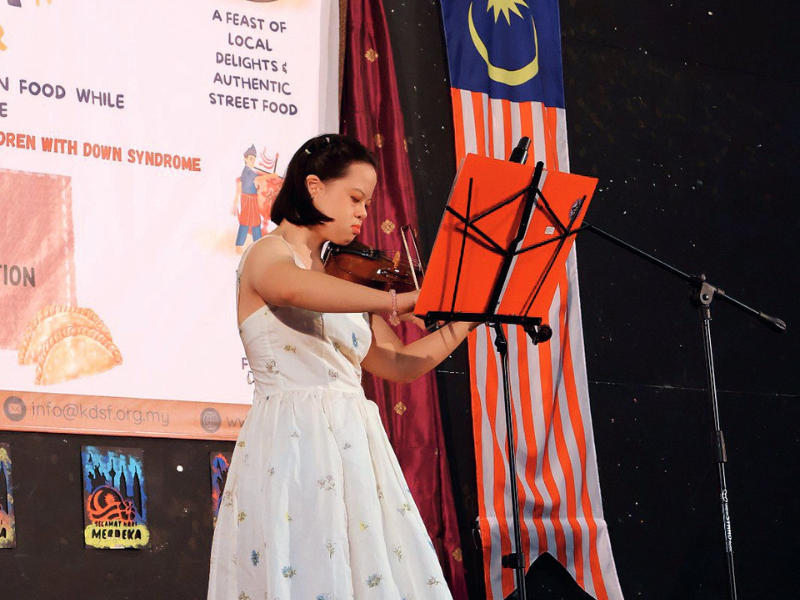
Beneath the joyful atmosphere lies a deeper intention. In an age where screens often replace shared moments, Kartnival Emas offers something that people have begun to openly search for — connection.
“Children today spend so much time on devices. It has become a default babysitter,” Tan observes. “Here, they get to create memories and build camaraderie.”
More importantly is the shift in narrative. Instead of being passive recipients of aid, the communities KCKL supports are active participants who can compete, perform and engage alongside everyone else.
“How do you build community? How do you usher in unity and harmony?” she asks. “This is one way.”
Proceeds from the event will go directly towards supporting KDSF, Montfort Boys Town and other Kiwanis-led initiatives, ensuring the impact lasts long after the day ends.
As KCKL marks five decades of service, Kartnival Emas stands as both a celebration and a reminder that meaningful change is not only built through programmes and policies, but also people coming together with kindness, intention and a shared sense of purpose.
This article first appeared on April 6, 2026 in The Edge Malaysia.