
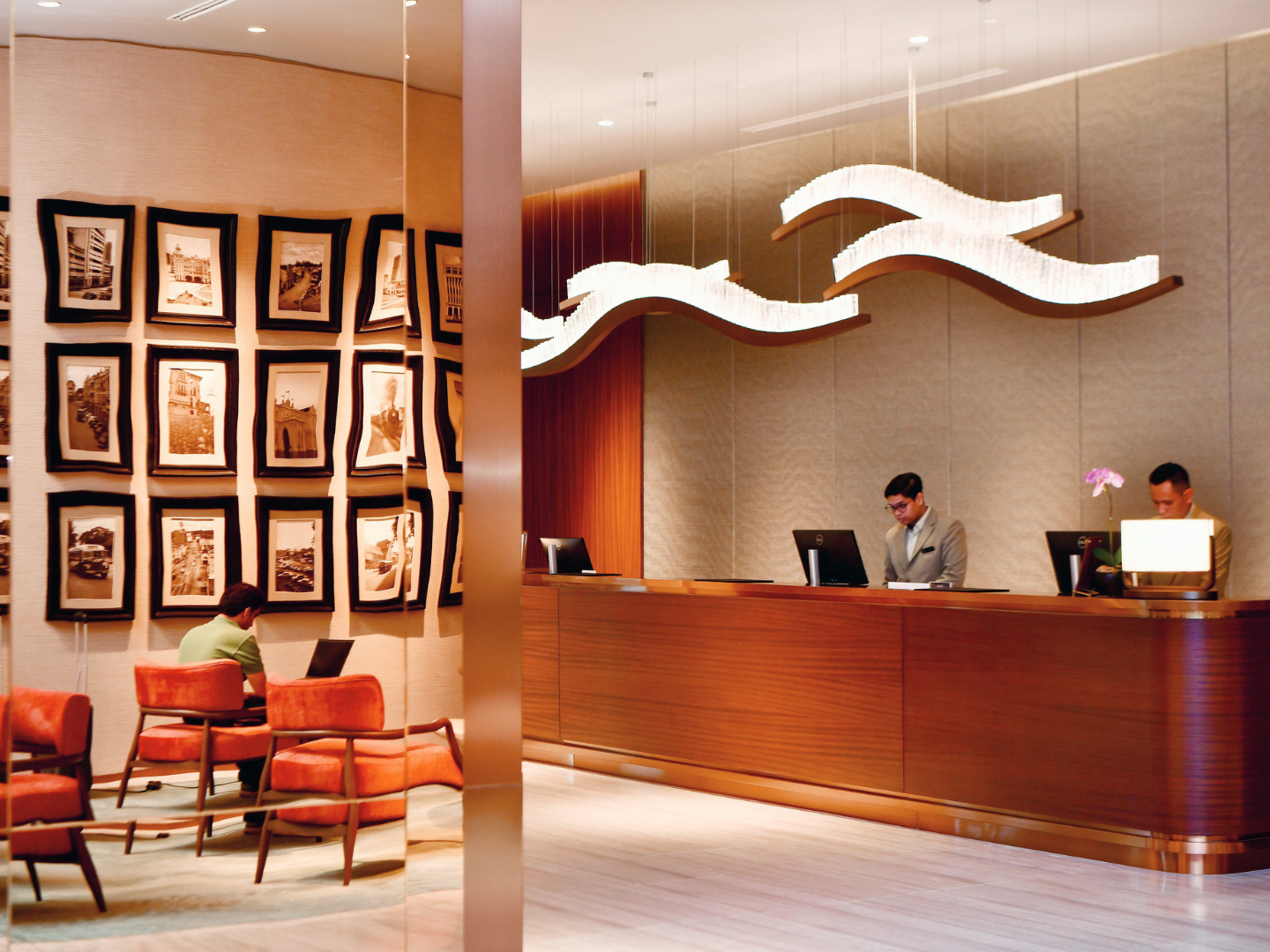
Motifs of Malaysia's traditional kite, the wau, are woven throughout the hotel (All photos: Sam Fong/ The Edge)
By most measures, Tan Boon Lee should be the last person to find fault with a luxury hotel. The IGB Bhd group CEO has logged more nights in five-star retreats than most travel writers — the Amans, Four Seasons and Rosewoods, which offer, if only for a few days, the promise of being held in very capable hands. As the youngest son of the late Datuk Tan Chin Nam, who founded IGB Group and Tan & Tan Developments Bhd, he grew up steeped in the hospitality industry and has spent enough time on private terraces, pristine golf courses as well as at impeccably plated breakfast tables to know precisely what separates the merely expensive from the genuinely excellent. Which explains why his verdict is so telling.
“I still prefer hotels where there is something to do the moment you walk out,” says Tan, a small, knowing smile threading through the remark. Amanpuri, the flagship Aman resort on Phuket’s west coast in Thailand, is by his own account idyllic. And yet, even lying in one of the most covetable beds imaginable, he still finds the quiet pull towards the door by morning. The getaways that linger in his memory are invariably bustling places that do not seal themselves off.
That conviction, road-tested and stubbornly his own, informed the refreshed St Giles Mid Valley Kuala Lumpur. Formerly known as St Giles Gardens Hotel, it reopened on April 1 under CHM Hotels, IGB’s dedicated hospitality management arm. The location, as Tan sees it, already does much of the heavy lifting: direct access to Mid Valley Megamall and The Gardens, with over 600 retail outlets as well as major transport networks. The concentration of commercial activity makes the hotel a natural landing pad for corporate and international business guests — precisely the demographic IGB is betting on as high-yield travel rebounds.
2.png
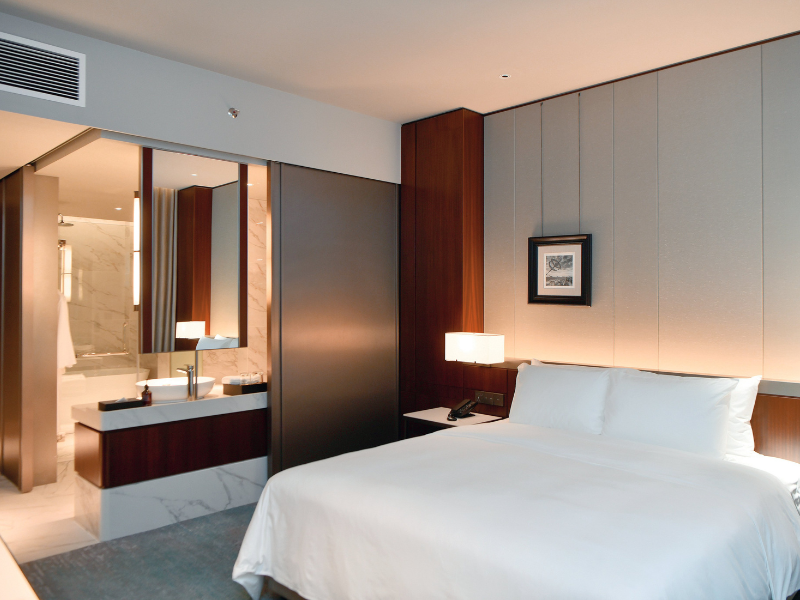
The building has been given every reason to match its address. Its 448 fully renovated rooms are arranged across four categories, each thoughtfully adorned with motifs and imagery drawn from the wau, Malaysia’s traditional kite, long regarded as a symbol of grace and ambition. The Deluxe and Premier options are dressed in premium bedding, their bathrooms fitted with a bathtub and a separate shower. Meanwhile, the elevated Wau Deluxe and Wau Premier selections go further with more considered interiors and views that render KL’s sprawl almost curated. Guests in either Wau tier can enjoy exclusive access to the lounge for private relaxation and, perhaps most appealing, the pleasure of sitting still above a buzzing town that rarely does.
Downstairs, the mood shifts. Ember & Brass sets the tone as the all-day dining experience; Eight Ounce Coffee Co sharpens the mornings with a java jolt; and Zuka Bar takes the baton come evening when business agendas and serious conversations can, for once, wait.
“The most important KPI for us is still the quality of sleep. You can have the best design but if people don’t rest well, nothing else quite matters,” asserts Tan, who has also invested in details such as Serta beds. That said, a well-appointed haven has always been a means to a larger end.
“Guests are more discerning now. We adjusted the lighting to create a more inviting atmosphere, upgraded the pool and the ballroom is set for completion by early 2027. But people don’t just want a beautiful space; they want to step outside immediately and have somewhere to be, with ample F&B choices. That’s the bread and butter of hospitality. Nobody wants to feel isolated or rely on taxis every time they leave.”
That proximity to myriad lifestyle and cosmopolitan offerings may prove timely. With airfares climbing amid geopolitical uncertainty, more Malaysians are reconsidering long-haul shopping trips and turning instead to domestic spending. For operators anchored to destinations like Mid Valley — with its density of familiar labels and loyal weekend crowd — the opportunity lies in capturing a different kind of footfall, one already close to home. The company, Tan notes, is already working with tenants on more targeted activations and engagement through its loyalty programmes to make the most of it.
3.png
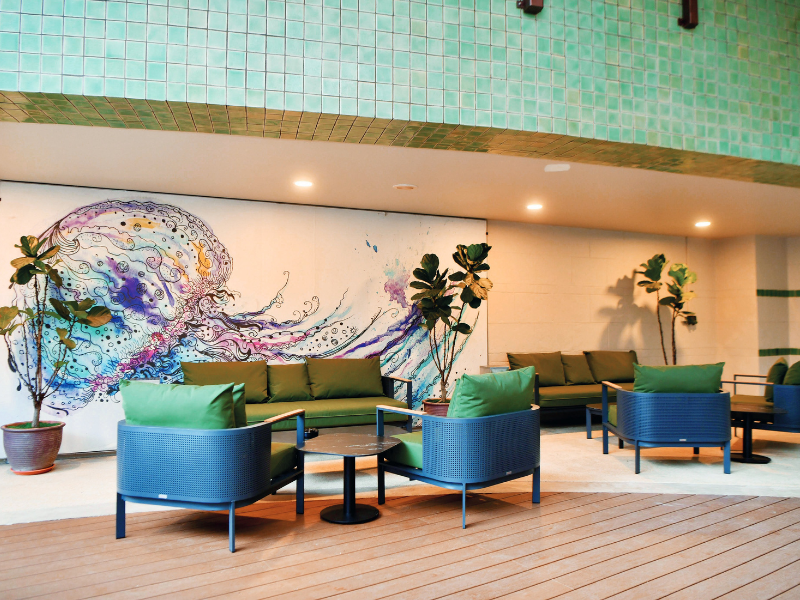
Simon Yong, who oversees the day-to-day of the newly reopened property as general manager, is also candid about where the hotel stands. “It’s still a positioning exercise for St Giles. We’re already seeing encouraging occupancy — about 34% tonight, on a weekday — which suggests our strategy is working. For others already established and running, it’s a question of survival. For us, it’s about determining where we sit and making that visible.”
He adds that the team has taken an assertive approach to industry presence, even as pricing pressures intensify competition. “Guests will always compare options and there will always be lower-priced alternatives. That’s part of the hurdle. But we’re confident in the value we provide and the steady uptick in occupancy reflects that.”
St Giles, in fact, is no stranger to operating beyond its home turf. London was once part of its portfolio until the group divested its 732-key stronghold in Tottenham Court Road in a reported £220 million (RM1.2 billion) deal to Criterion Capital.
Tan describes the rationale behind the sale. “London has changed and, unfortunately, not for the better. There are parts of it where people no longer feel safe. It isn’t quite the city we once knew and enjoyed. Walk down Tottenham Court Road today and you’ll find a slew of accommodations stretching from the high street to the airport. The price [for St Giles] was good, so we let it go. We’ll continue to review and dispose of what we consider non-core assets and reinvest in areas we think are looking bright, such as Southeast Asia.”
The region, in his view, holds both financial upside and cultural weight. Governments adopt a more open posture, encouraging infrastructure expansion at a pace that older, more ossified markets have struggled to match. The same instinct is also being put to work further south, where the St Giles asset in Johor Bahru, tied to the Southkey development, has gathered momentum as cross-border traffic between Malaysia and Singapore deepens. Another outpost within the country is also in the pipeline.
Tan explains, “Our economies are open and we welcome anyone. The [hospitality] mindset and service in Bali and Thailand are a lot better. But the hotels in Italy? They literally scold you. If you ask for too many things, they just tell you to shut up. We don’t do that in this part of the world. The warmth and efficiency here are part of the attraction.”
1.png
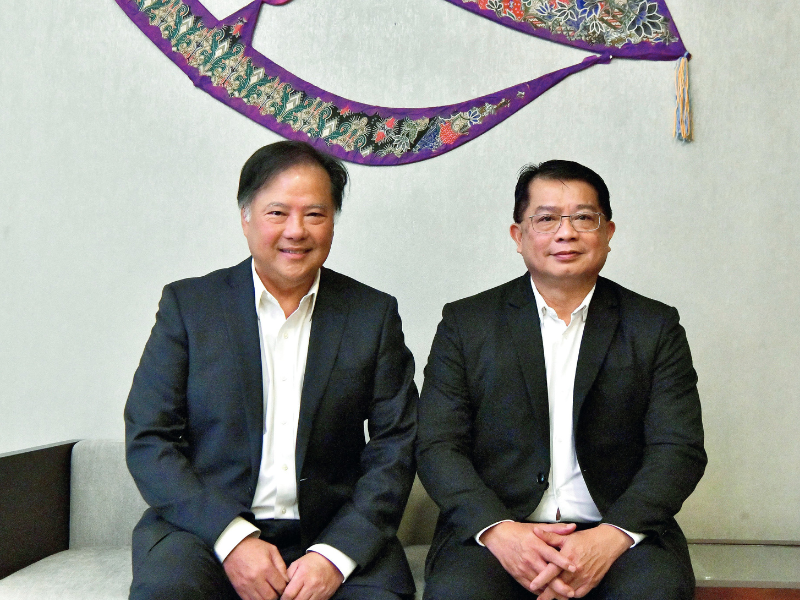
Perspectives and pragmatism will prove invaluable when the CEO guides the group forward — paring back where necessary, doubling down where it counts and preparing the ground for those who will eventually take the reins.
“A lot of family-owned entities are navigating the same transition we are. The baby boomer generation — myself included — has to step aside,” he admits with a laugh. “What we’re passing down isn’t just know-how but a way of thinking: how to assess prospects, when to take risks and when not to. You don’t, for instance, open a mall in Vietnam without fully understanding the landscape first. As a slightly more conservative, public-listed company, we’ve always erred on the side of caution.”
What matters, he adds, is a grounding in fundamentals. “My predecessors taught us to take pride in what we do, believe in the product and, most importantly, understand the market.”
The same philosophy extends across the organisation, with a growing emphasis on internal enrichment and exposure. “We’re designing more programmes to give our staff the chance to better themselves while ensuring our second line of leadership is properly trained.”
Execution, he reiterates, is where the real test lies. “Anyone can spend on fancy aesthetics or service standards — that’s the easy part. But generating a return from it? That’s the challenge.”
After more than four decades with the family business, Tan is clear-eyed about what comes next. “Retirement! This is my 41st year. I think that’s more than enough and I’ve done my part. It’s really time to hand over.”
This article first appeared on May 4, 2026 in The Edge Malaysia.