
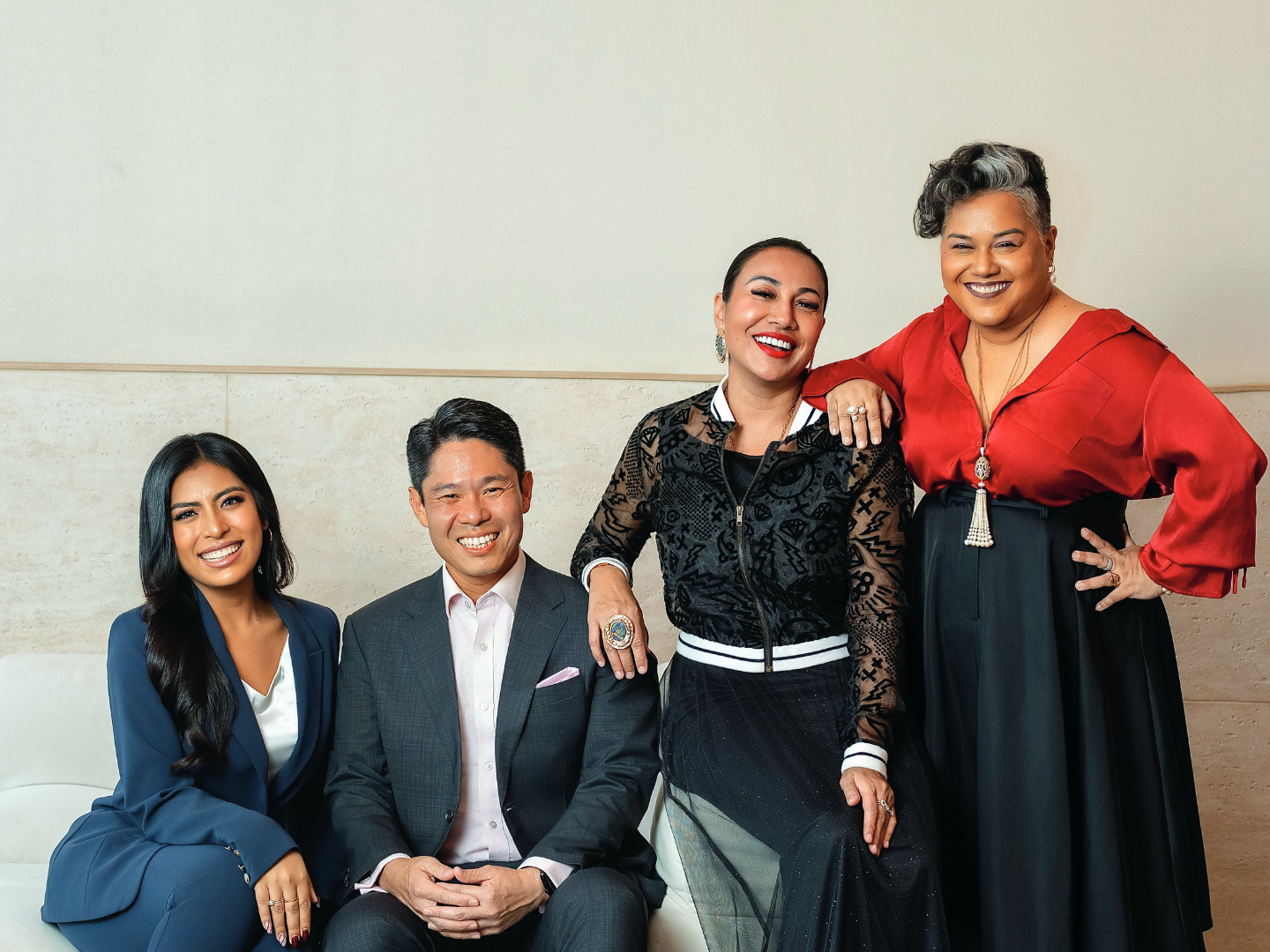
From left: Yazmin Aziz, Christopher Lim, Ning Baizura and Elvira Arul (All photos: Stories Sdn Bhd)
“When this finally happens, we will be richer. Not from a financial standpoint, but from one that is more holistic.” This is the belief of Triterra, a Kuala Lumpur-based property developer that specialises in innovative and sustainable real estate and is best known for the award-winning The MET Corporate Towers in Mont’Kiara. “We aren’t like the big boys who can write seven-figure cheques, but we hope to be part of a movement that prioritises integration and closeness,” says CEO Christopher Lim.
At a time when experiences are becoming increasingly individualised, the circumstances of a collective presence feel almost rare. Thus, as Triterra marks its 10th anniversary, it is choosing to celebrate with a different kind of blueprint — one less tangible yet arguably more enduring.
Set within the twin structures of The MET, the inaugural edition of Rentak reimagines what a corporate space can be. Taking place on April 24, the festival presents an outlet of exploration on how professional environments can become a backdrop to foster social connection. In doing so, the developer shifts the conversation from what is built to what is felt.
More than just buildings
Unity is not something that happens by chance, according to Lim. Rather, it is intentionally fostered through much effort. Although governing bodies and institutions are the main drivers of this, he believes that citizens — particularly those working in the corporate sphere — have a role and responsibility of their own.
When businesses grow, so must awareness of their direct impact on the surrounding populace, he notes. “As property developers, whether we like it or not, we disrupt livelihoods with many inconveniences like construction work. So after we complete a project, it’s nice to give back.”
This aligns closely with the concept of placemaking — an integral part of modern architecture and urban design that prioritises meaningful and functional human-centred environments — an approach that Triterra is always looking to implement.
Since The MET became ready for occupancy 2½ years ago, the building has evolved from its intended purpose, with its large glass doors welcoming all walks of life. “We wanted it to be filled with exuberance — buzzing throughout the morning, afternoon and night with an atmosphere that changes from weekday to weekend,” says Lim.
1.png
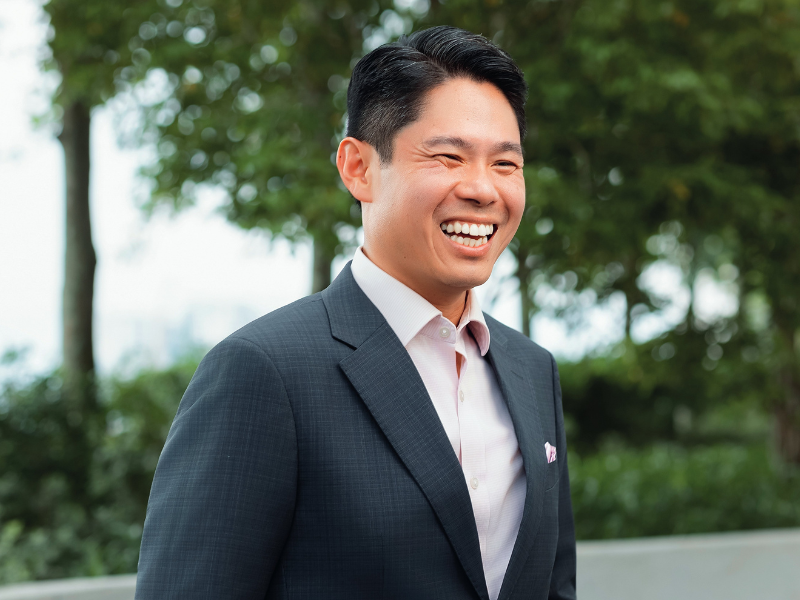
Far from a conventional business complex, the goal was aspirational, even for Triterra, he says. Commendably, the developer’s vision has materialised and The MET has hosted events ranging from official proceedings to brand activations, crypto conferences and even wedding solemnisations. All that was needed to overcome internal and external doubts was a progressive and supportive team that had the ability to lay out the ideological structure “brick by brick”.
Instrumental in this strategy are chairman Datuk Seri Michael Yam and deputy chairman Daniel Lim. The former was pivotal in starting the Sunrise Jazz and Rhythm Festival. Held at Plaza Mont’Kiara in the mid-2000s, the annual event was significant for the local community. It brought live music to the suburban enclave and spotlighted both home-grown and regional jazz talents such as Rachel Guerzo and the late Lewis Pragasam.
Adamant about bringing the world to Mont’Kiara (one of The MET’s taglines), Lim had asked: “How can we do that? And if we manage to do so, who should we honour?” The decision was obvious. “We thought how nice it would be if we could reignite and rejuvenate the feel-good sensation that was produced by the jazz festival?” This was solidified by the fact that music, apart from sports, remains one of the strongest forces to unite folks from different backgrounds. The universal language is known to bridge divides when conditions such as politics constantly drive people apart, especially in the current global landscape.
Planning Rentak has given the developer a fresh perspective on urban planning. Currently, the location can hold about 400 pax. “It made me think, why is our space so small?” Lim chuckles. This constraint — together with placemaking — planted ideas for future projects that will incorporate facilities which will hopefully give the public a new mindset in terms of what a corporate office can be transformed into. Having said that, Triterra intends to be impactful in its own way.
Lim observes that Malaysia is on the cusp of a broader cultural shift, one that will focus on human capital development. In departing from the conventional career pathways that usually include “professional stability” — medicine, law, engineering, architecture, education and healthcare — he reckons the nation will start to channel more appreciation for the arts, culture, history and preservation.
Currently, the creative industry continues to be upheld by passionate artists and enthusiasts who are committed to sustaining the scene against all odds. The question is, what if corporations were the cultural catalysts?
Sound connection
Ahead of rehearsals, three powerhouses share their thoughts on melodic importance, spoken — of course — in perfect harmony.
“How did you survive during the pandemic?” Elvira Arul asks, her smooth tone resonating throughout the room. Beside her, fellow songstresses Ning Baizura and Yazmin Aziz chirp melodically.
It has been years since the Covid-19 pandemic forced everyone into isolation but the recollection of a silent world remains vivid — the stillness of empty streets and the quiet hum of life reduced to screens. Distance was not only measured in miles, but in absence.
“The only thing keeping everyone sane was art, whether it was movies, songs or social applications,” continues Elvira. Often compared and framed as opposing realms, art and science go hand in hand, she proudly declares. One does not exist without the other.
4.png
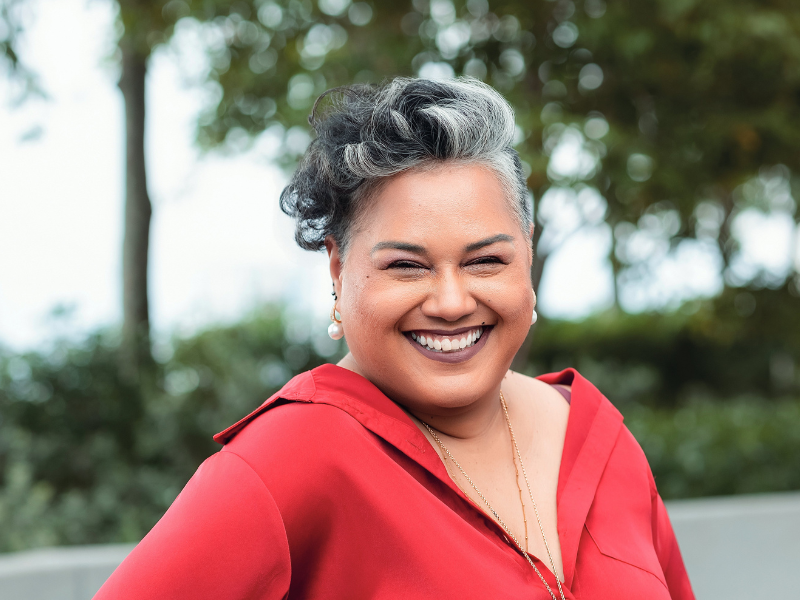
Looking at how congruous the conversation flowed, one might think they had prepared for this moment in advance, not knowing that this would mark the first time the three of them got together.
Although the spirit is light, the power of artists lies in their profound ability to translate and express emotions despite their complexity — something which others may find difficult to verbalise. In turn, they foster a sense of connection akin to their means of expression, which in this case, is music.
Amid the shared sentiments and laughter, Yazmin describes the medium as a conversation starter. The rising star picks up from the previous point, “It has saved a lot of people, especially those who generally don’t like to talk or express themselves too much. Music becomes a deal breaker.”
Yes, food and shelter are critical to survival, but beyond the fundamentals of the physical self is another requirement that longs to be fulfilled — the feeling of belonging. This is not to be mistaken with “fitting in”. American psychologists Roy Baumeister and Mark Leary argue that the need to belong is a driving factor behind human behaviour. On the contrary, the lack of it can lead to severe physiological and emotional consequences. As individuals search for their own sanctuaries, some find it in sonic waves.
For Ning, however, music is therapy. She takes us into her home, sharing that her mother has been diagnosed with dementia, an irreversible neurodegenerative condition that has no known cure. “To make her happy, I put on music, and then she’s just like my mother again. It puts her at ease and somehow, brings her back.”
This has been scientifically proven. Research shows that the medium has been used to assist healing for a long time, with the earliest known reference to music therapy appearing in an unsigned 1789 article titled “Music physically considered”.
However, going even further back, prehistoric cultures such as the ancient Egyptians viewed music as a divine gift, deeply integrating it into medical and spiritual healing. Meanwhile in Greece, it was a formal therapeutic intervention — philosophers like Pythagoras and Plato believed music could align the soul and body.
The opinions culminate in a collective consensus — rhythm is everywhere. After all, the recurring sequence is not confined to performance. It appears even in breath, movement and the quiet patterns that shape everyday life.
When the reverberations become arrangements, decades are captured within melodies that bridge the past and present with seamless familiarity. In that return lies music’s most lasting quality — the ability to move across time, bringing with it both those who remember and those first discovering it. Choruses once heard in a certain era find new life in another, carried forward by those who continue to listen, reinterpret and remember.
Tunnel through time
2.png
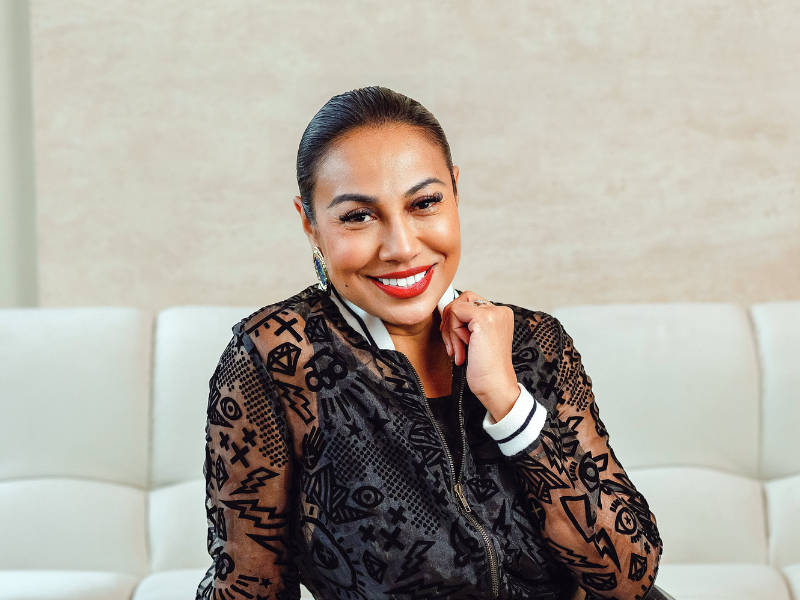
Having a line-up of this calibre was far from Lim’s initial expectations. The name “Triterra” itself is a portmanteau representing three generational values cultivating the earth. “We wanted to integrate not only the races in Malaysia, but also the different cohorts,” he explains. With that, the selection took shape.
First, Ning — a household name and pioneer in the local music scene who has established herself as a trailblazer for Malaysian pop and R&B. Partaking in similar genres is Yazmin — still relatively early in her career, yet experienced enough to share the stage and bring a contemporary energy. Finally, Elvira — an otai in her own right and the thread perfectly tying the whole act together with versatility achieved from her diverse background in rock, soul and gospel.
Above all, the most important criterion was not status, but the synergy the performers would create with one another. Witnessing their interactions solidified Lim’s confidence.
He smiles, “I was so touched when I heard Ning being called kakak, and finding out that Elvira used to sing backup for her. I thought, how beautiful that the three of them are on their own accord today. They all have their own merits.”
Differences in genre are not an obstacle, but a strength that contributes a unique dimension to the already exceptional trio.
“Before this, there hadn’t been any opportunity for the three of us to be on stage together, so when I heard their names, I said yes straight away,” says Ning.
Furthermore, esteemed actor and comedian Douglas Lim will be emceeing the event and adding another layer to the night. “We’re showgirls, and you need to know that Douglas is one too,” the three laugh.
The theme of the celebration emphasises Triterra’s aim. Bringing back sounds from the 1980s and 1990s was a deliberate choice as they act as links between the target demographics. Nostalgia aside, those eras represent a period when attitude and empowerment were at the forefront.
All trends eventually circle back, and this one is no different. These days, Gen Z and even Gen Alpha have started listening to artists from the past — one of the more positive effects brought about by the prevalence of social media platforms such as TikTok. “This is the rare time I will praise Tiki Toki because it’s given older media a new life, and yes — I call it Tiki Toki,” Elvira giggles.
Ning says her 13-year-old son is listening to Rick Astley, Bon Jovi and The Prodigy. “I was surprised. I wasn’t aware he knew Frank Sinatra. I’m like, ‘You know My Way?’”
3.png

Although clearly Gen Z, Yazmin refers to herself as an old soul because of her close relationship with her mother and grandmother. She asserts the importance of events like Rentak so people her age and younger can be more aware of timeless classics and prevent them from being forgotten.
Nowadays, these tunes can only be heard through devices, or at the occasional themed show, which usually only showcases a short selection of songs. This round, the singers assure that listening ears will not be left unsatisfied, as the long and specialised setlist has been curated to cover a wide range of well-known compositions. Better yet, they will be relayed in a variation of solos, duets and group sets.
The venue itself makes the event a must-watch. With most music festivals set outdoors, the enclosed space where Rentak will be held not only provides an intimate setting for the crowd, but will be incredibly pleasing for both the audience and the performers acoustic-wise.
Brimming with excitement, Ning exclaims, “We’re going to bring them on an unforgettable journey.” “And hopefully, an inspirational one too,” adds Yazmin.
Moments like these make way for togetherness, but who creates the space for these to happen?
“If corporations were to pick up on what Triterra is doing, it won’t just look good on paper. It is also really good for company morale. People like to be involved in things outside of work,” Elvira reflects.
This points to something larger. In a landscape where the arts often rely on fragmented support, initiatives like Rentak suggest a different model where private entities can step in as active participants in culture and community building.
For Triterra, this signals an evolution that extends beyond a single event. At its core, the idea is simple: there is potential in every action — as individuals, and even more so as families, organisations and together as a nation. One clearly lies in the possibility that movements of the same nature can ensure sound will always remain, as will the feeling of having moved in the same rhythm. As Lim puts it, “Let’s move to the beat together.”
Rentak will be held at The MET Corporate Towers on April 24 (6:30pm).
This article first appeared on April 20, 2026 in The Edge Malaysia.