
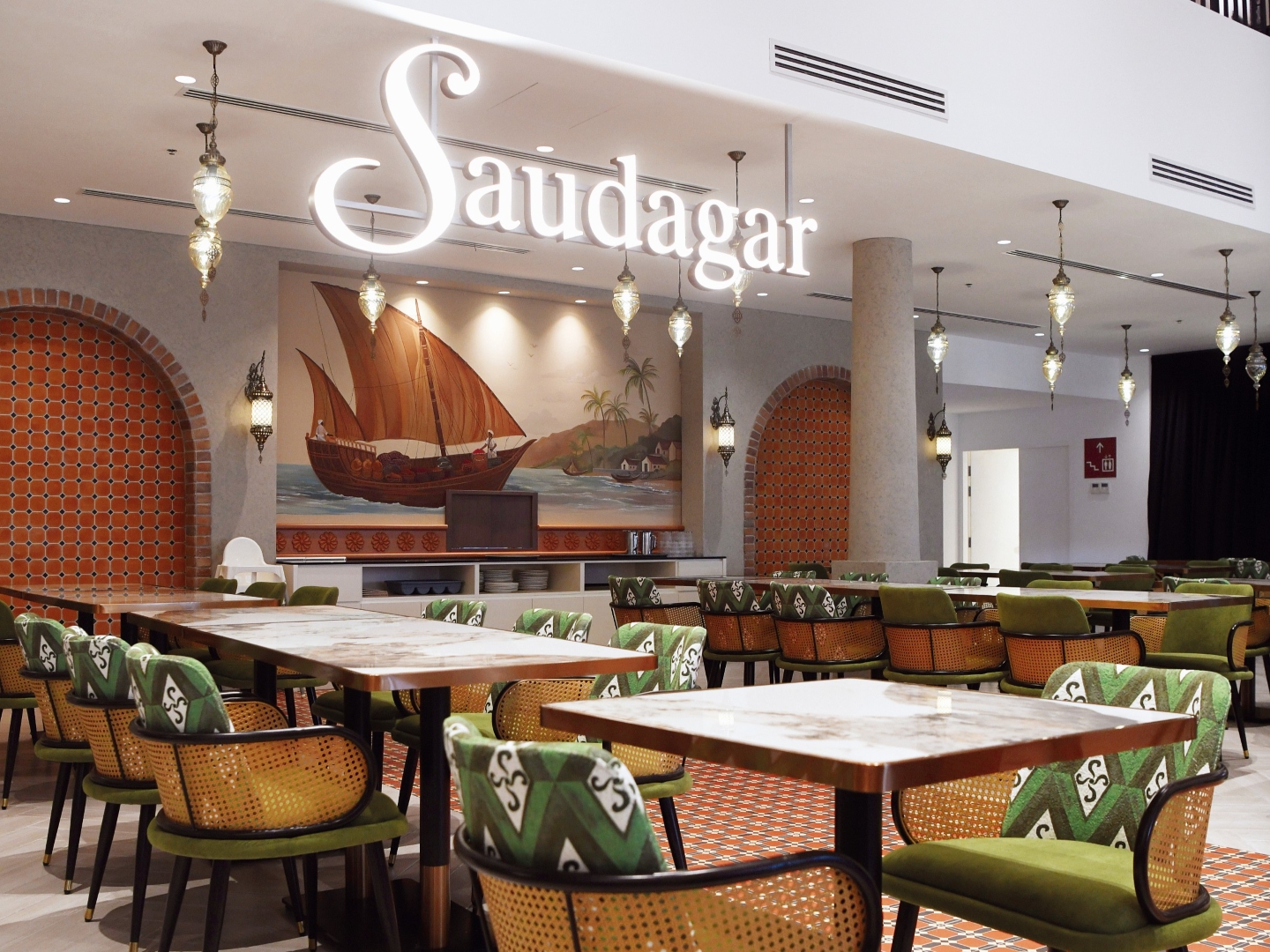
Terracotta-hued walls and olive green furniture encapsulate the warm atmosphere at Saudagar (All photos: Patrick Goh/The Edge)
Kuala Lumpur is not a city that lets you go hungry — or without an opinion. Restaurateurs here are among each other’s most dependable patrons, often venturing beyond familiar neighbourhoods in pursuit of the next great idea. Most can trace their culinary lineage through a string of memorable meals and admired kitchens, but Dharran Kandaiah’s has never strayed far from where it began: his mother’s table.
Despite co-founding Saudagar Heritage Kitchen, a premium Indian restaurant newly opened at the revitalised Bangunan Sultan Abdul Samad (BSAS) opposite Dataran Merdeka, Dharran still turns up to work with a packed lunch from home. Asked what awaits him inside during our chat, he seems content to leave the surprise for later. “I haven’t opened it yet,” he smiles. “But knowing mum, it’ll probably be one of my favourite curries or her forte, prawn sambal petai.”
In hindsight, those homey flavours have done more than fill his stomach over the years. They would eventually lead him into the F&B industry, though the journey there was hardly a direct one. After returning from the UK with a degree in chemical engineering, Dharran discovered that the career he had trained for held less allure than the prospect of crafting something from scratch. His first venture was in short-stay accommodation predating Airbnb’s rise, growing from a handful of leased apartments into a portfolio of more than 100 units nationwide. The impulse of opening a restaurant, nudged along by his sister and backed by recipes passed down through generations, took shape only around 2017 as Gajaa at 8 on Lorong Maarof in Bangsar.
1.jpg
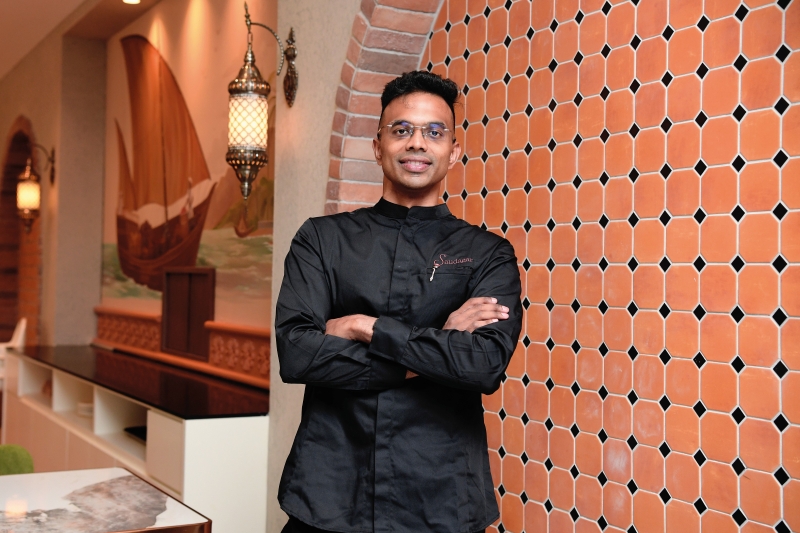
Its concept, which sought to showcase the depth and diversity of Kerala cuisine, was an intriguing decision for the siblings, whose ancestry traces back to Tamil Nadu. Having witnessed its popularity flourish across the Middle East, however, where large Malayali communities had helped sustain a thriving appetite for its spice-laden and coconut-rich dishes, they believed it could find similar footing in KL — another multicultural crossroads buoyed by migration, cultural exchange and adventurous diners. Gajaa also became a way of fulfilling a dream their mother had set aside for 40 years: attending culinary school and welcoming guests into a place she could call her own. Now, Saudagar carries that ambition forward, expanding from a single regional tradition into a wider exploration of Indian gastronomy without losing the personal touch that gave it heart.
The choice of name was equally deliberate, explains Dharran. “Saudagar means ‘merchant’ in Sanskrit and Malay. It nods to the early communities who came here as traders, particularly the Chettiar, who were involved in everything from the spice trade to money lending. The word felt fitting for a restaurant housed in a building so deeply connected to the nation’s history.”
The opportunity to set up a flagship brand came by way of a referral. As operators searched for suitable tenants to occupy the restored Old General Post Office wing, Dharran — who had already built a following with Gajaa — was approached to anchor one of its largest F&B offerings. Even with its proximity to the city’s most visited landmarks, he was determined that Saudagar would not become a tourist-facing caricature of homegrown culture. After all, many who pass through the precinct regularly are KLites themselves — office workers, families and weekend strollers who have reclaimed the historic quarter, from Dataran Merdeka to the River of Life, as part of their everyday routine. Rather than reproducing a proven formula, he saw a chance to deliver something steadfastly Malaysian.
2.jpg
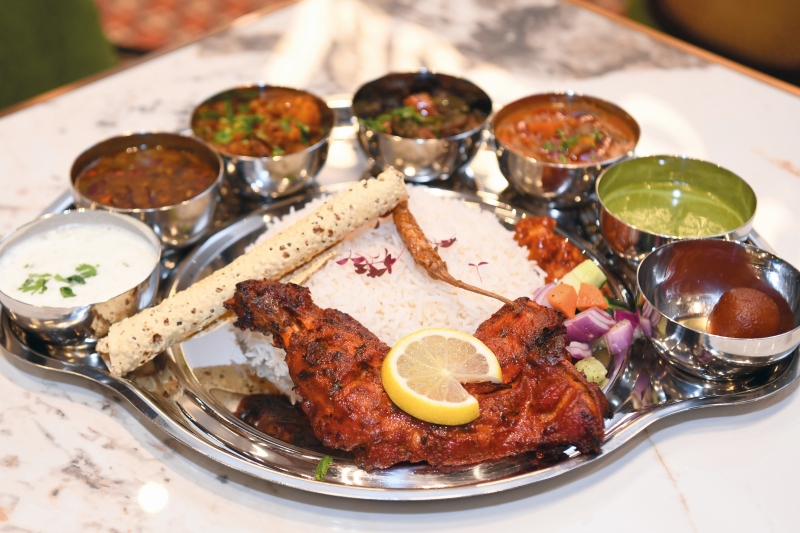
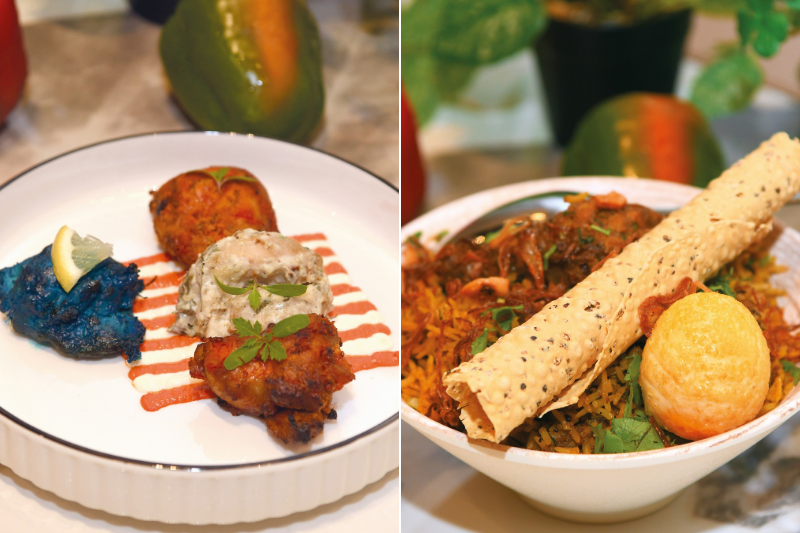
“We’ve taken the things locals already love and curated about 20 of them under one roof, such as thali, paneer butter masala and traditional Kerala fish curry. For example, a Chinese customer is always looking for butter chicken. A Malay family? Usually biryani. If you look at our menu, there’s a bit of everything. That’s why places like the mamak work so well. It’s like, ‘Bro, I want tandoori or naan,’ and it’s there. Plus, to reflect the significance of our location, we also created the Merdeka 57 Signature Tikka — skewers coloured red, white, yellow and blue to mirror the Malaysian flag, using chilli, cream, flower petals and butterfly pea respectively.”
Although Saudagar is calibrated for a broad palate, its claim to “heritage” inevitably looms large in its branding. How much of that identity survives when a menu is designed to appease everyone?
“Most people talk about the specialities their mum used to cook, but restaurants don’t always serve them because they’re very niche,” admits Dharran, who believes that some dishes — no matter how “authentic” — would struggle on commercial considerations alone. “Take our millet porridge, for instance. Out of 10 diners, maybe only two will like it. It’s so specific to an Indian home that someone from another background may never even have heard of it. I don’t blame others for not selling it. What we’ve tried to do is bring back some of these traditional staples and say, ‘Give it a go.’ If you like it, great. If you don’t, at least it’s an experience.”
3.png
Drawing on nearly 12 years of operational know-how across catering and food service, Dharran is under no illusion about the challenges of running a large-format establishment in a downtown lifestyle destination such as BSAS, surrounded by fashionable cafés, bakeries and upscale kopitiams. While the team has recruited chefs directly from India and is in the process of obtaining halal certification, long-term success will ultimately depend on attracting a steady stream of patrons.
The immediate hurdle lies in persuading more visitors to linger in a part of town they often rush past. Better infrastructure and visibility — from parking to clearer signage — would go some way towards addressing that, he says.
“We’ve pushed through a lot when things haven’t gone well and, luckily, never given up. I wouldn’t want to blow our own trumpet, but after all this time, we can confidently say we understand the crowd, expectations and business. There’s always another potential project or story to tell around the corner.”
1-03, Pejabat Pos Besar Lama. Open daily, 10am-10pm.
This article first appeared on June 15, 2026 in The Edge Malaysia.