
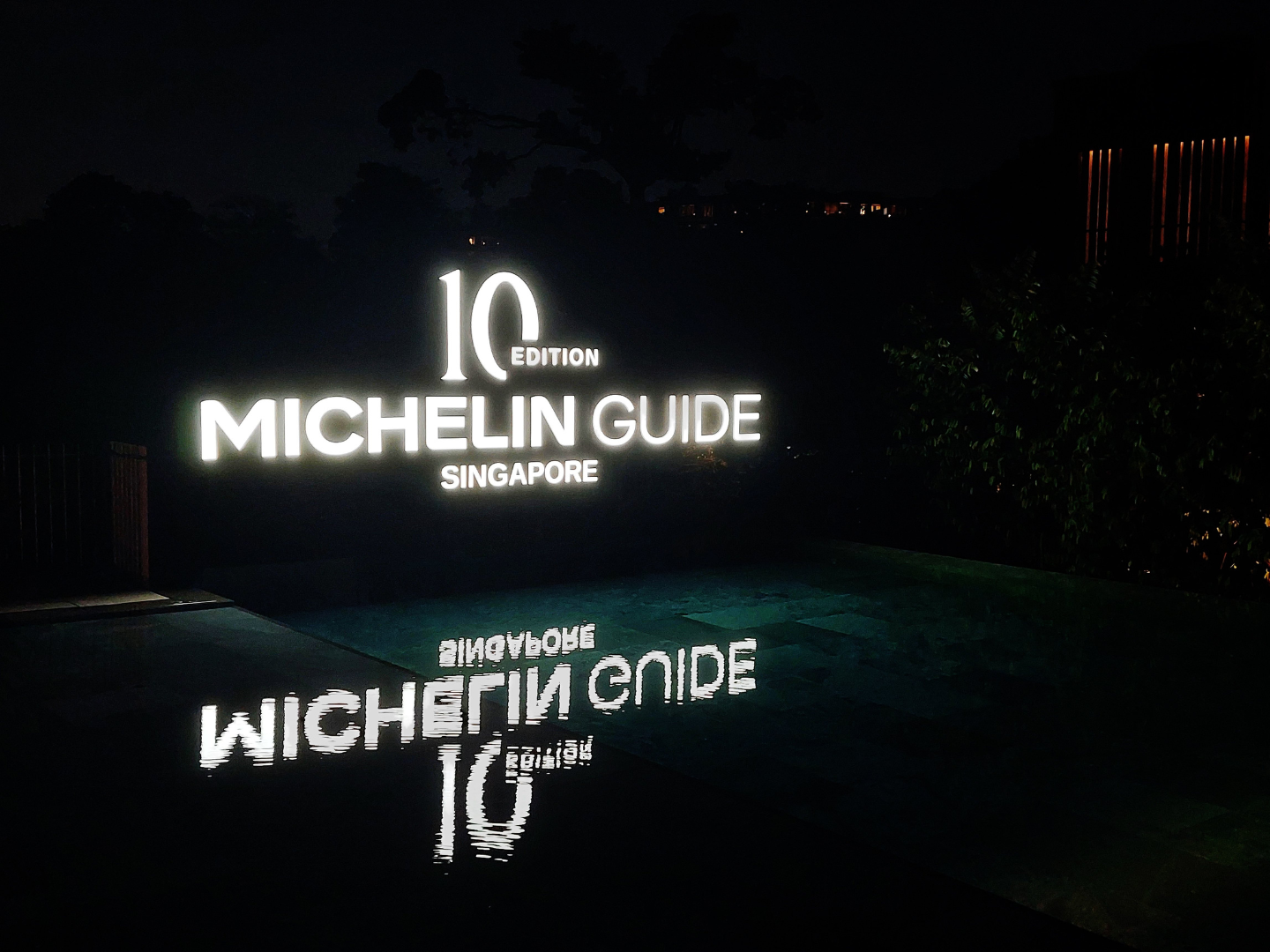
This year's Michelin Guide Ceremony for Singapore was held at the Raffles Sentosa (Photo: Julian Teoh)
My first published newspaper article was on my very first dinner at a Michelin-starred restaurant, some 20 years ago. Of all the places to start, I dined at Taillevent, perhaps Paris’ most formal and arch-traditional restaurant at the time, and proud holder of three Michelin stars since 1973. I went back to the Rue Lamennais the following morning and interviewed Taillevent’s second-generation owner Jean-Claude Vrinat and his chef Alain Solivérès for a solid few hours. I walked away into the December snow just before the lunch service started, with a fascination with French gastronomy and the Michelin Guide that has continued ever since.
Originally conceived by tyre makers Edouard and André Michelin in 1900 to encourage French motorists to drive more (and therefore wear out their tyres and replace them more often), the Michelin Guide gained renown for its independence, the anonymity of its inspectors and inscrutability of its judgments. Its star-based rating system, tied to its driving past and first introduced in 1926, was easy to understand but said as much as it did not: one star was a very good restaurant in its category; two stars was for excellent cooking, worth a detour; and the ultimate accolade of three stars was for exceptional cuisine, worth a special trip.
Michelin burnished its mystique over the years. Talented chefs, aided and abetted by the Red Guide, became household names in France and abroad: Mère Brazier, Point, Bocuse, Troisgros, Robuchon and Ducasse. They made fortunes from the stars, returned them when the stress got too much, and killed themselves over rumours they were about to lose them. This was the voodoo of the Michelin star.
Over a century later and no longer restricted to land travel, the 1% were now flying for food and other kicks. No longer content to just sell tyres, Michelin leveraged its reputation, leasing its aura to tourism authorities who could afford its price. Michelin was no longer just a tyre company; it became a publishing and marketing powerhouse, and undoubtedly the world’s greatest food influencer.
The year 2026 marks two huge anniversaries for Michelin: 100 years since the first star was given out, and 10 years of the guide in Southeast Asia.
Singapore was Michelin’s canary down the coal mine in 2016, in a region famous for its cheap street food but historically weak in Michelin’s fine dining wheelhouse. Ten years on, as I reflect from the sidelines of Singapore’s Michelin Guide Ceremony 2026 at the Raffles Sentosa, what have we learnt, and have things got better?
1.png
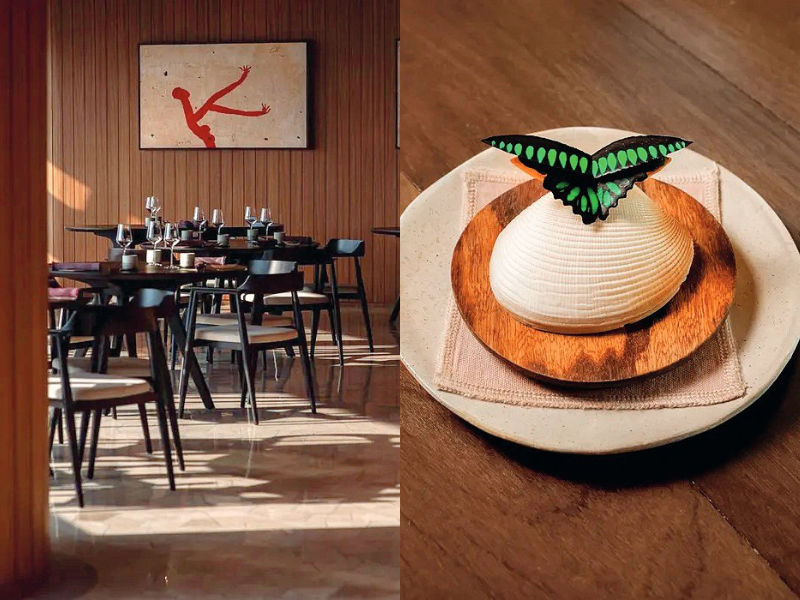
First things first: we must give Singapore credit for setting the pace. Thailand, Malaysia (well, Kuala Lumpur and Penang) and the Philippines (Manila, its environs and Cebu) only came to the party later, after Singapore proved that it deserved its own edition of the world’s most famous dining guide. But those countries knew they could not allow Singapore to pull off such a huge marketing coup over them — the competition for the dining dollar was on, and it was heating up.
Another thing we cannot deny: having our own stars has gone a long way to killing the massive inferiority complex that we Southeast Asians have had vis-à-vis European chefs (and Europeans in general). I still remember the days when we would FOMO over promos featuring starred Euro chefs, even one-starred hipster chefs from Spain and the like, and struggle to get seats at these dinners.
But why FOMO over one-star chefs when we now have 33 of those right here on this island and in Bangkok, and eight each in Malaysia and the Philippines? There was no need to. And Michelin did not create these great restaurants; it merely validated, or rather gave its brand of validation, to what was already here.
But once it got started, the local industries started to roll with the momentum. The stars lent a lot of visibility to our chefs and restaurants, the kind of visibility and an equivalence that the Western world understood. This year, Darren Teoh of the two-Michelin-starred Dewakan stood up on a stage in Milan and presented on Malaysian native ingredients at the prestigious Identita Golose gastronomy convention. With no disrespect to Teoh, I wonder if that invitation would have come if he did not have his stars.
Soon, foreign chefs started to open branches of their empires in Southeast Asia. Two of KL’s starred restaurants are owned by chefs who have stars in their home countries: Molina (Sidney Schutte, of the now closed two-starred Spectrum in Amsterdam) and Chim by Chef Noom (Thaninthorn Chantrawan, of one-starred Chim by Siam Wisdom in Bangkok). Chef Ton from Le Du opened in Penang but barely registered on the local dining radar. The impact on Thailand has been far greater: Le Normandie (Anne-Sophie Pic), Côte (Mauro Colagreco), Aulis (Simon Rogan), Cannubi (Umberto Bombana) and Sushi Saito (Takashi Saito), among others. In Singapore, we have Zén (Björn Frantzen) and now Cherry Garden by Chef Fei (Huang Jinghui).
2.png
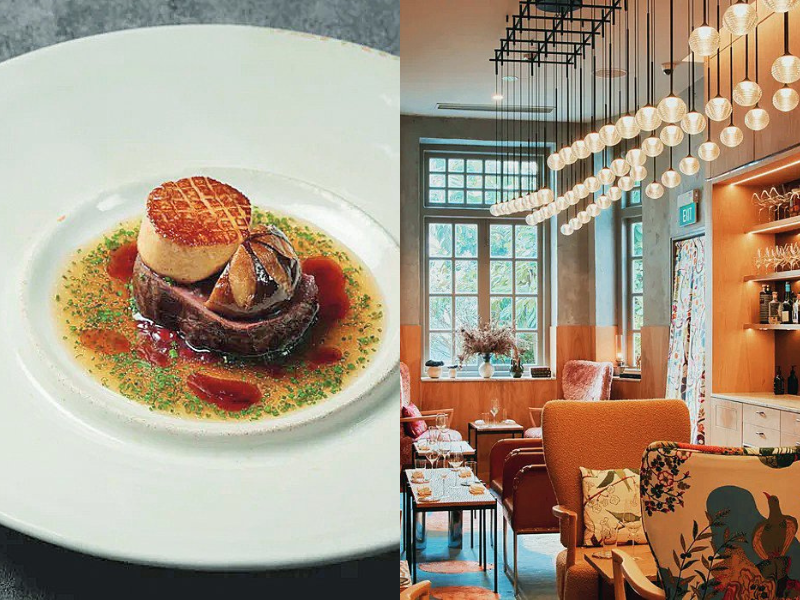
And instead of looking to collaborations with chefs 10,000 miles away, with the added marketing clout of regional Michelin stars, we are now seeing more collaborations with Southeast Asian and Asian chefs. I think this is giving rise to a more pan-Asian outlook, emphasising what our cultures have in common and what a cross-pollination of Asian ideas can achieve, rather than always tugging our forelock to Europe as the font of fine cooking. It has also encouraged our chefs to look ever more closely at our own native ingredients and techniques, examine the stories behind them and bring them to the fore.
There was a touching moment at the ceremony, when a mainland Chinese chef said apologetically “My English no good. But food good!” It was a sentiment that vibed with the crowd.
For those in attendance, and for you too if you have read this far, food, more so than even English, is a universal language. Michelin is a big part of that discourse now, whether we like it or not. Personally, I think it is all the better for it.
This article first appeared on Aug 17, 2026 in The Edge Malaysia.