
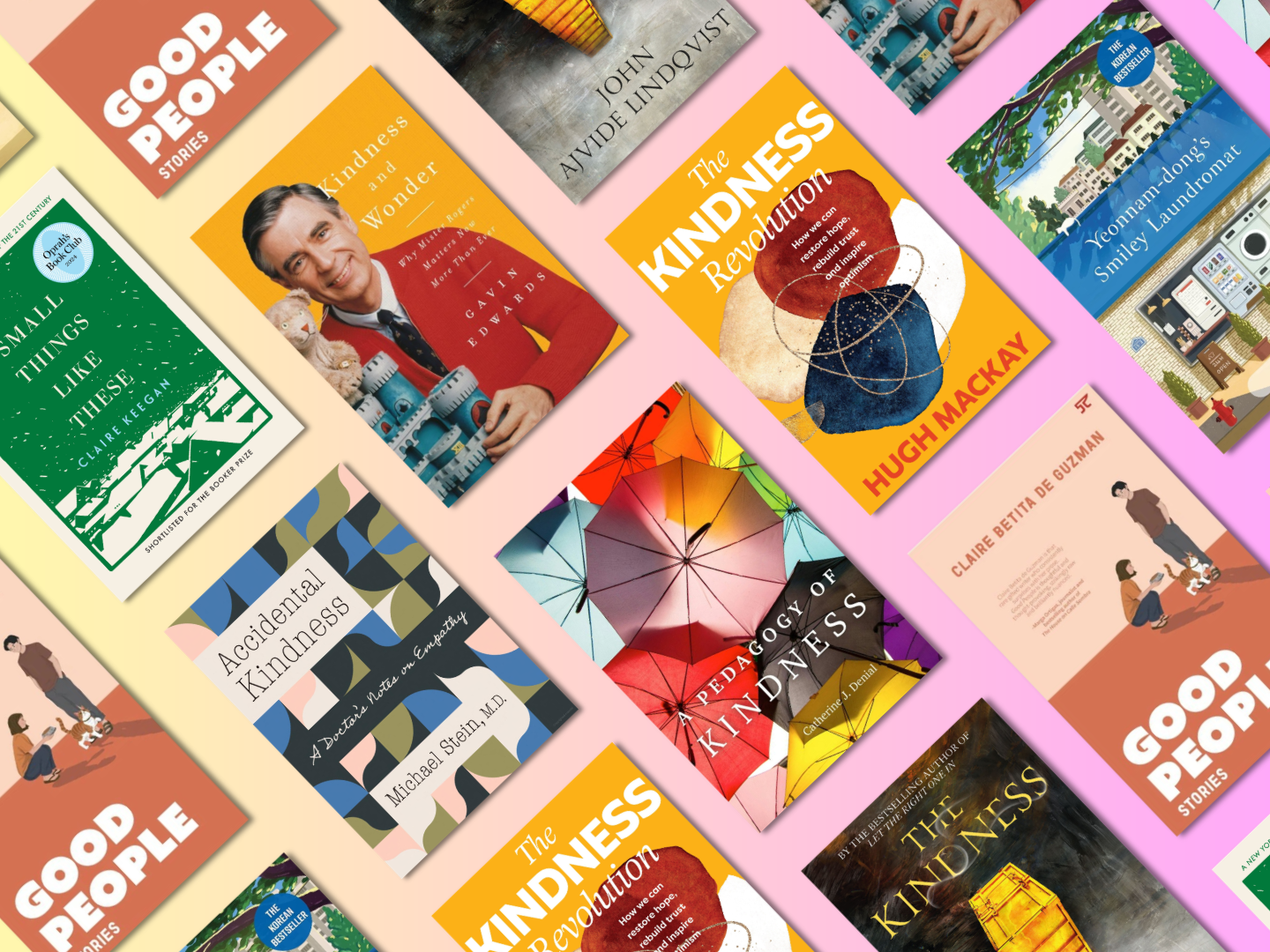
Some titles that explore kindness between strangers, neighbours and to yourself
The ancient Greek storyteller Aesop, best known for his fables with enduring moral lessons, is often credited with the saying, “No act of kindness, no matter how small, is ever wasted.” From fiction to non-fiction, these eight selections explore the many forms of generosity can take.
Accidental Kindness: A Doctor’s Notes on Empathy
By Michael Stein
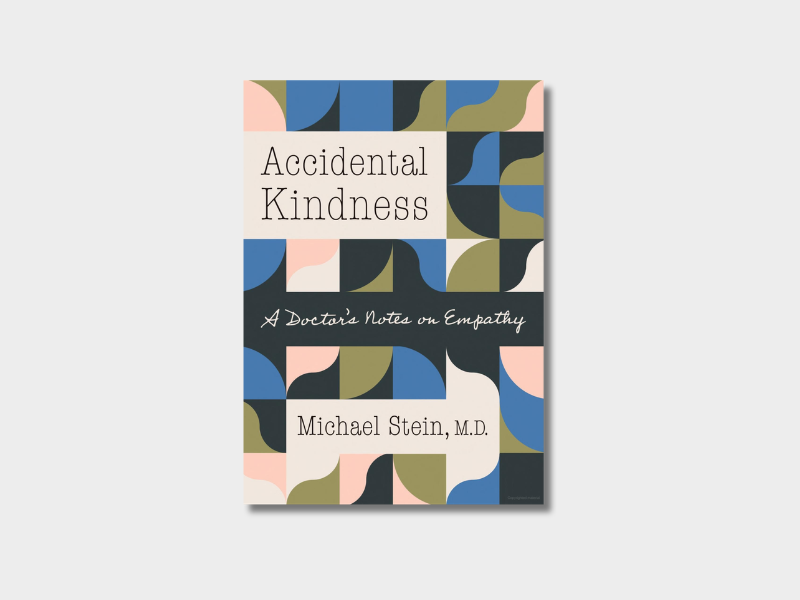
Compiling essays that examine the human side of medicine from the first-hand account of a primary care physician, this book delves into aspects of doctor-patient interactions that are not discussed enough: matters like compassion fatigue, mistakes and forgiveness as well as the lack of thought given in medical literature to the practice of kindness. Stein emphasises his belief that empathetic communication from a healthcare provider should not be an unrealistic expectation, that it is even key to a favourable patient outcome.
Yeonnam-dong’s Smiley Laundromat
By Kim Jiyun, translated by Shanna Tan

An exemplary piece of “healing fiction” — a cosy subgenre with South Korean and Japanese roots that has been gaining in popularity in the English-speaking market — this feel-good slice-of-life story revolves around a laundromat located in Seoul and a mysterious notebook in which customers vent about their problems while others write back with advice and supportive messages. Split into five parts, each following a different character, the narrative unfolds into a tale of connection born out of compassion towards strangers.
Small Things Like These
By Claire Keegan
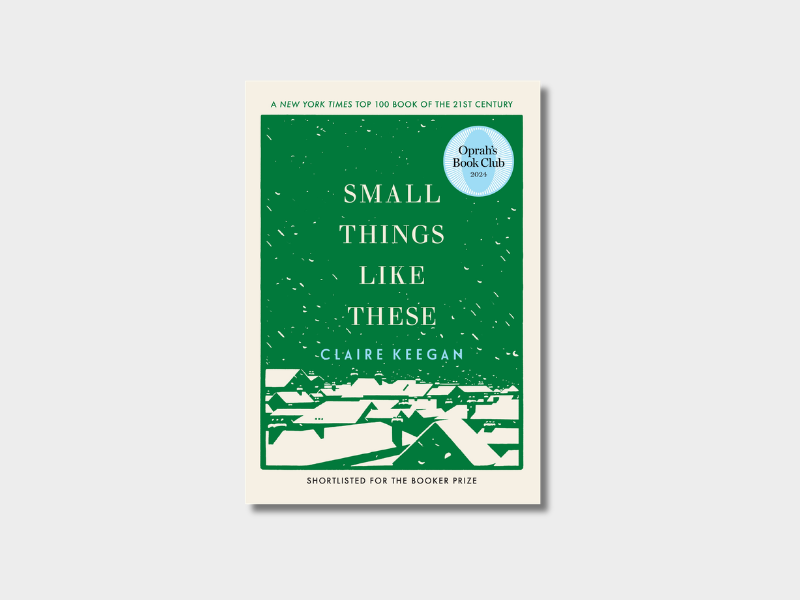
In this Booker Prize-shortlisted historical novella, coal merchant Bill Furlong discovers that a convent in his small Irish town might actually be a Magdalene laundry, an abusive institution that subjected women deemed promiscuous or hard to handle by the Catholic Church to forced labour. Although the people around him, including his wife, discourage Bill from going against the Church’s influence, he ultimately lets his morality win against the fear driving everyone else’s compliance — an act of quiet heroism and integrity.
The Kindness
By John Ajvide Lindqvist, translated by Marlaine Delargy
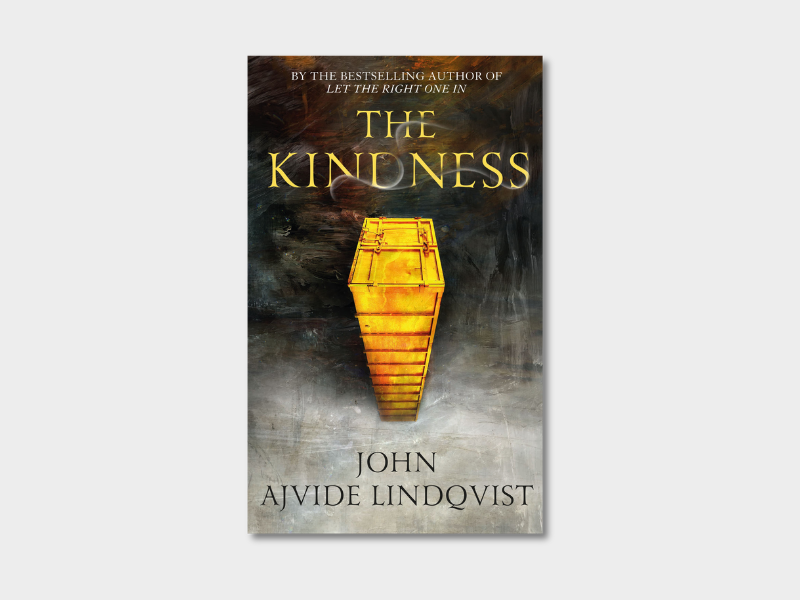
A mysterious locked shipping container is abandoned in the harbour of the quiet Swedish port town, Norrtalje. When authorities manage to get it open, what they find inside spills out and infects the inhabitants with horrific violence and hatred, seemingly killing any trace of basic human empathy as they know it. This horror novel uses supernatural elements to depict the creeping deterioration of goodness and communal solidarity, especially drawing upon the xenophobia and racism associated with the refugee crisis.
Good People
By Claire Betita de Guzman
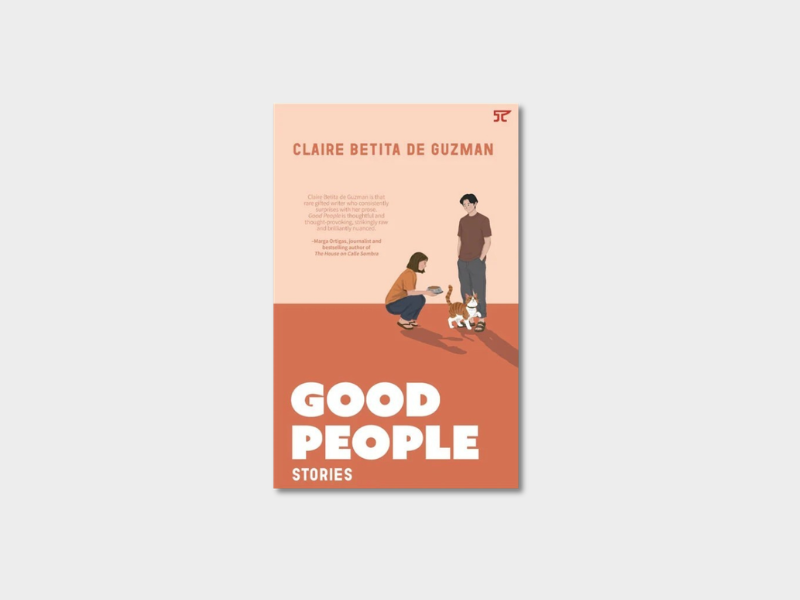
What makes a person good? This anthology explores the question through 10 short stories set across Southeast Asia. By centring complex characters like thieves, liars and serial cheaters — “bad” people — in these narratives, it encourages readers to consider the societal factors that influence their choices while affording the characters the grace to redeem themselves and improve their circumstances. All in all, it reminds readers to embrace the inherent imperfections of humanity and the often universal desire to do right.
A Pedagogy of Kindness
By Catherine J Denial
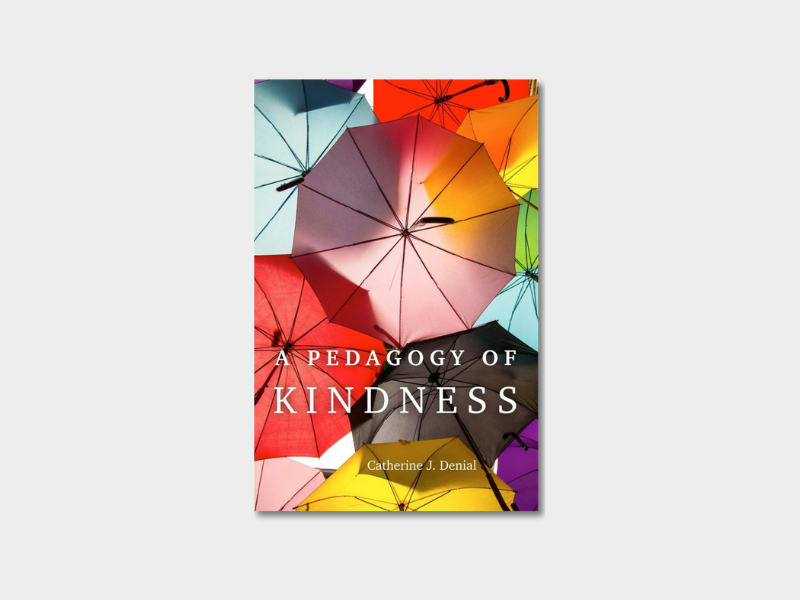
Criticising the competitive and individualistic realm of academia, Prof Denial insists that kindness must be more heavily instituted within higher education. She relays her own experiences, urging educators to prioritise care and respect for both themselves and their students. In this manifesto, she gives suggestions on how to reshape syllabi, assess performance and create a trusting and welcoming classroom environment. It is a recommended read for anyone in the teaching profession seeking an alternative to the traditional hierarchical framework.
The Kindness Revolution
By Hugh Mackay
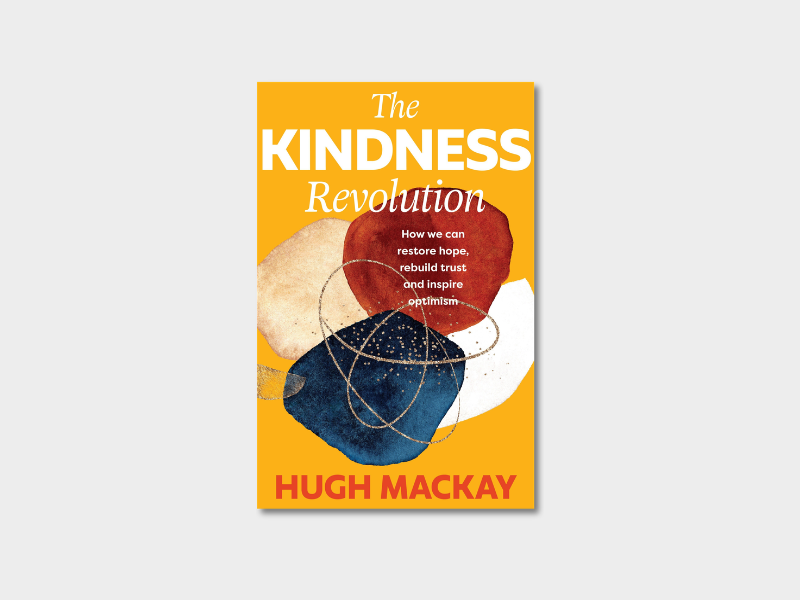
Social psychologist Mackay was motivated by the Covid-19 pandemic and Australian bushfires that occured around the same time to reflect on the acts of cooperation demonstrated by his community, wondering how that could be emulated permanently. To change our society for the better, he optimistically puts forward that we should start from the individual and employ the transformative power of kindness to shape the collective bit by bit into something more loving. To quote him: “Revolutions never start at the top.”
Kindness and Wonder: Why Mister Rogers Matters Now More Than Ever
By Gavin Edwards
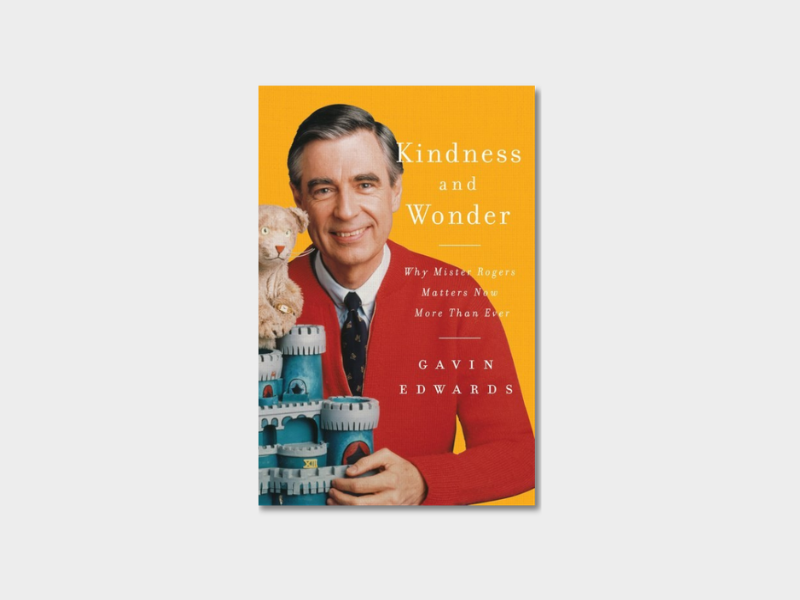
A love letter to the late cultural icon Fred Rogers, this publication looks back on his life, career and the legacy of his award-winning PBS children’s show Mister Rogers’ Neighborhood, which raised a generation of American youth with lessons in generosity and inclusivity. Partly a biography, it also proposes an actionable 10-step guide to applying Rogers’ thoughtful, curious and open-hearted worldview to the reader’s day-to-day life, in a world where selfishness and negativity seem to triumph.
This article first appeared on Nov 9, 2026 in The Edge Malaysia.