
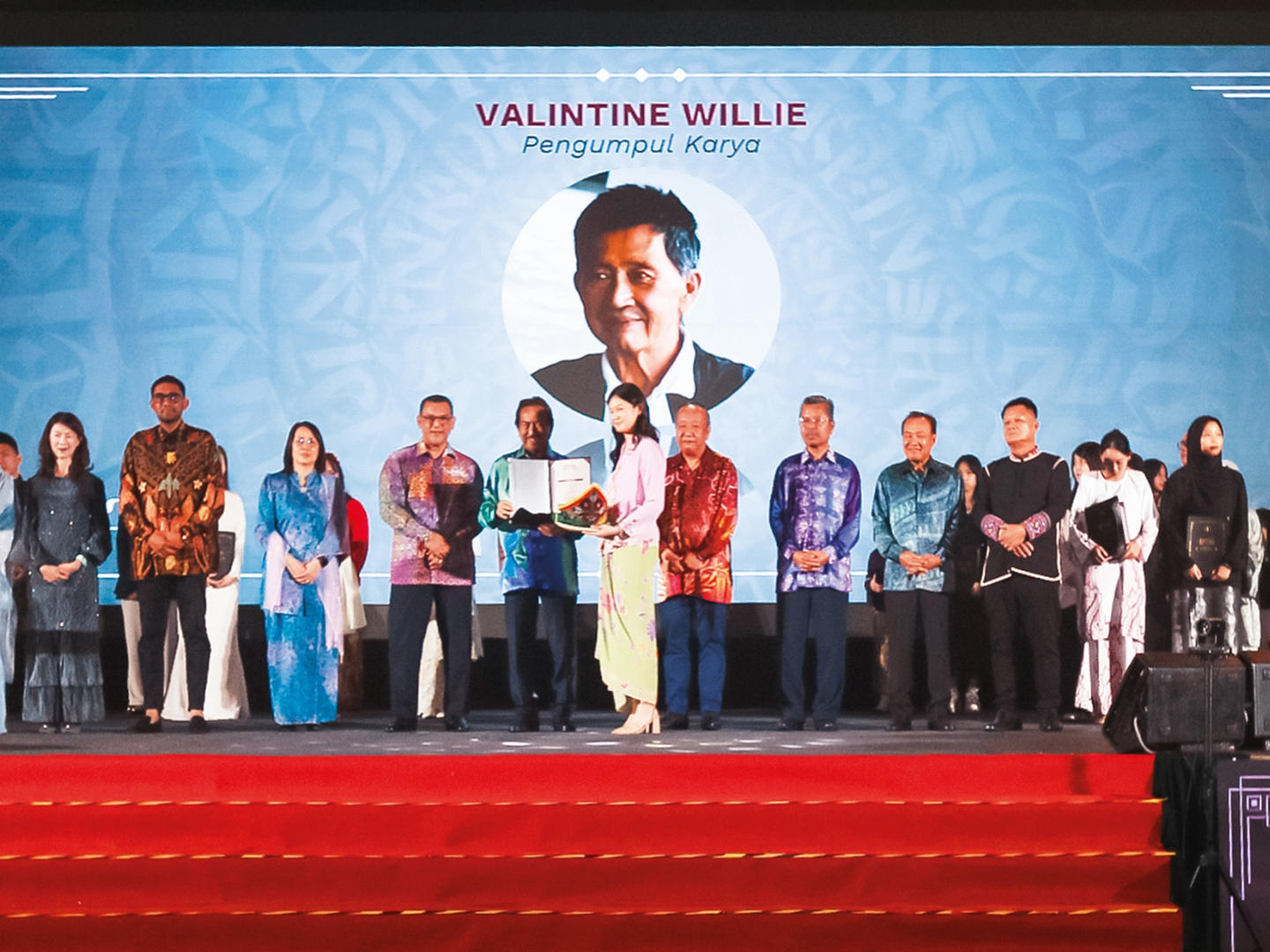
Amanda Willie receives an award on her uncle’s behalf, who always preferred his name spelt as ‘Valentine’ (Photo: Sabah Art Gallery)
Valentine Willie (1954-2026), who passed away on June 9, will forever be remembered as one of the most influential figures in the development of contemporary visual arts in Malaysia and Southeast Asia. Through his vision, leadership and unwavering commitment, he helped build meaningful connections between artists, institutions and communities across the region. Eight friends and associates remember him in their own words.
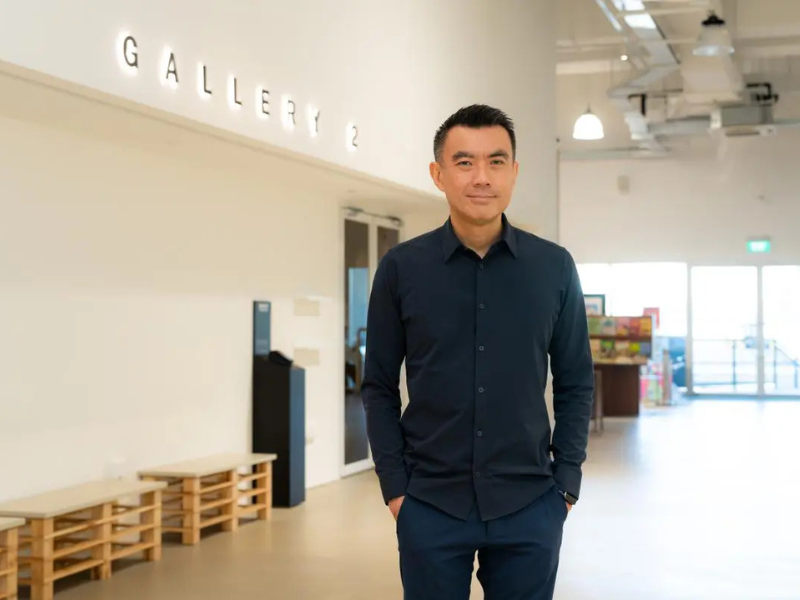
I am deeply saddened to hear of Valentine Willie’s passing. He played an important role in championing Southeast Asian art, creating spaces and opportunities for artists in the region. We first met more than 20 years ago. His work changed what was possible for this region, but what I will miss most is his humour and passion for art, which came across through all of his interactions. He will be greatly missed.
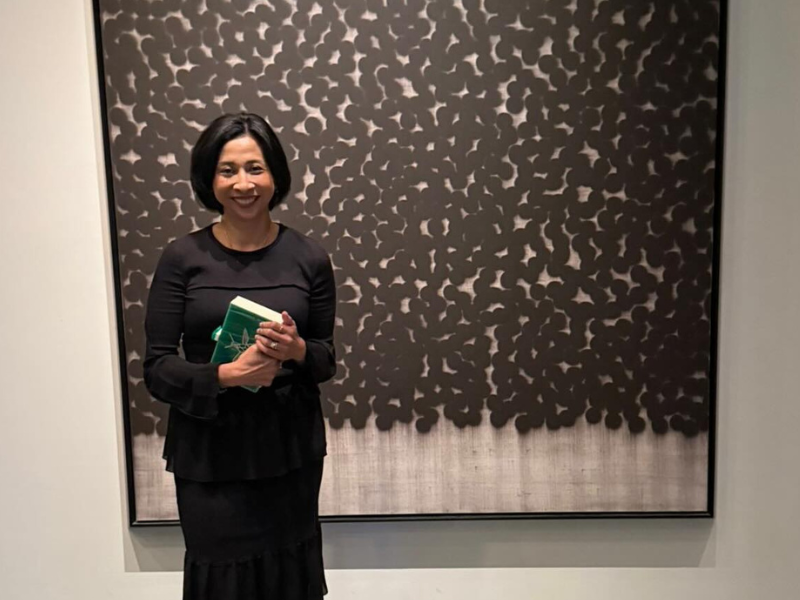
Valentine believed and invested in the region the way no other person ever did. He was a pioneer in envisioning how [artists and cultural practitioners across] the region must stand by each other, which made sense, as we are rich in differences as well as similarities: culturally, historically and even politically. He also didn’t want the region to be dictated to by the West or any cultural representatives of established countries. He wanted us to define ourselves. I will also always remember how he had so much love to give, ever generous in opening up every resource and sharing. I learnt from him, took refuge with him and he never failed me, even topping up my energy [levels] to keep me going. He saw potential in me, even when I couldn’t see it myself. I also remember how he advised me never to acquire [too many works] from a single artist and how one’s art journey should not just be about buying and owning, but also sharing inspiration, accommodating people’s potential, giving chances and spreading love — and more love.
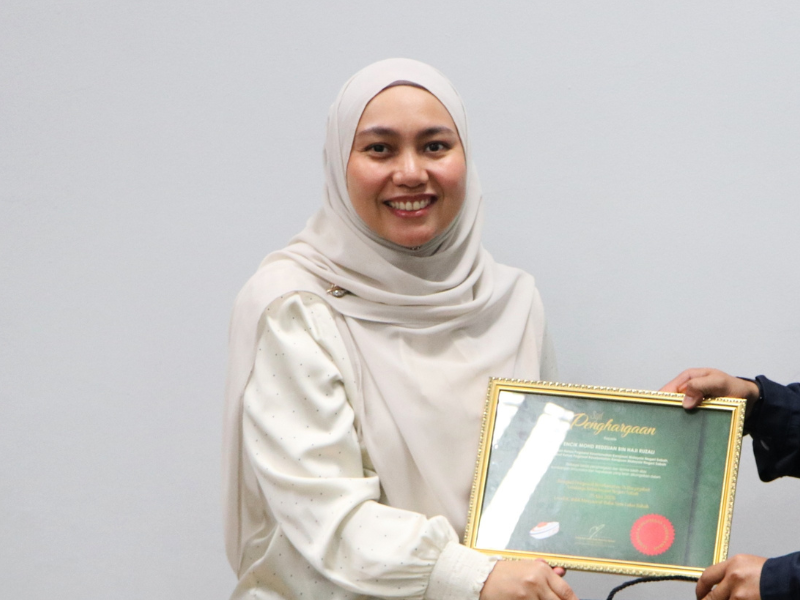
There is a phrase in Kadazan: Id kahandaman. It means “the one who is dearly missed”. While Valentine’s achievements and contributions are widely recognised, perhaps his greatest legacy lies in the opportunities he created for others. He believed in the potential of artists and worked tirelessly to elevate voices, foster dialogue and strengthen the visual arts ecosystem. His impact continues to be felt not only through the works and exhibitions he championed, but also the generations of artists and cultural practitioners he inspired.
One of the most memorable moments was seeing Valentine receive the Tokoh Seni Visual Sabah award during the 40th Sabah Annual Art Selection Award night last April. It was a fitting recognition of his lifelong dedication and immense contribution to the visual arts, not only in Sabah but across Southeast Asia. A particularly poignant moment was when he was presented with the sigar, the traditional Kadazan headgear. More than a ceremonial gesture, it symbolised his enduring connection to his roots, heritage and the values he carried throughout his life and work. It was a powerful reminder that despite his regional and international stature, he remained deeply grounded in the culture and community that shaped him.
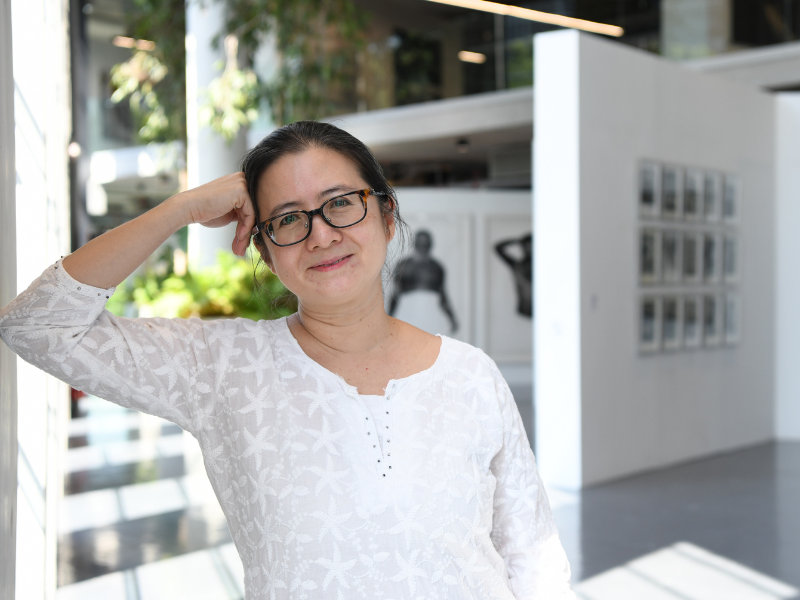
I was managing director of Valentine Willie Fine Art (VWFA) from 2000 to 2008, and Valentine, to me, was someone who believed in connecting people and ideas… just sharing the joy. Out of the thousands of photographs of him, there are only a few of him on his own — maybe it is because he is always hugging people or having his arms around someone. He loved a party and was the most generous of hosts. When we were building VWFA together, we would have openings every three weeks. We would also throw birthday, wedding and farewell parties. I was happiest seeing him celebrating with his hair down, and on the dance floor even. He embodied such joy being together in the world. Besides seeing the amazing work that artists do in our own country and across the region, Valentine also made space for all of us to meet, love, laugh, cry, work with and believe in each other. His passion for and deep investment in Southeast Asia as an extraordinary, generative field of practice, enquiry and exchange was infectious and remain an inspiration to so many who are still working in it today.
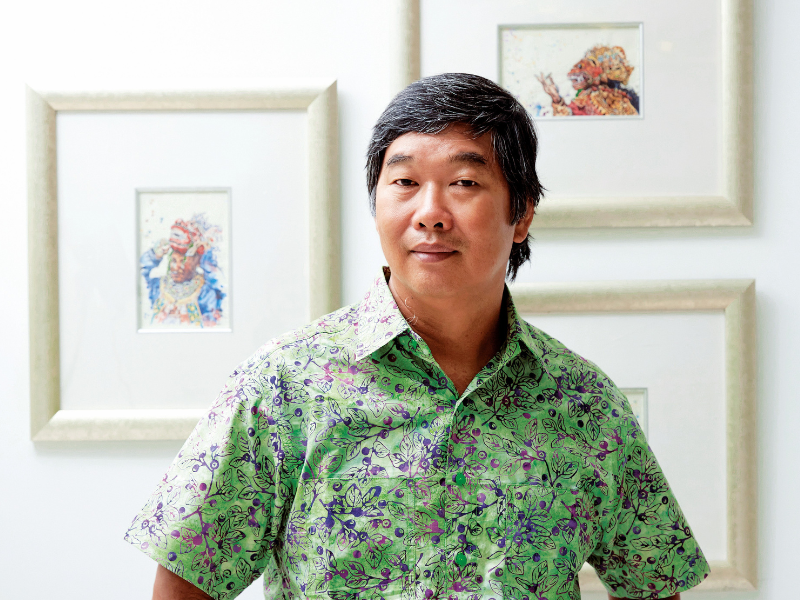
I first met Valentine more than two decades ago in Ubud, Bali. We became neighbours after he moved next door to the Bamboo Art Gallery, where I was then based. Soon after, he convinced me to move back to Malaysia, where he and his wonderful team at VWFA created a platform to expand my work regionally and beyond. He was a tough “boss” but also a generous man who was unapologetically passionate about all art, from folk to the avant-garde. The art world will never be the same without him.
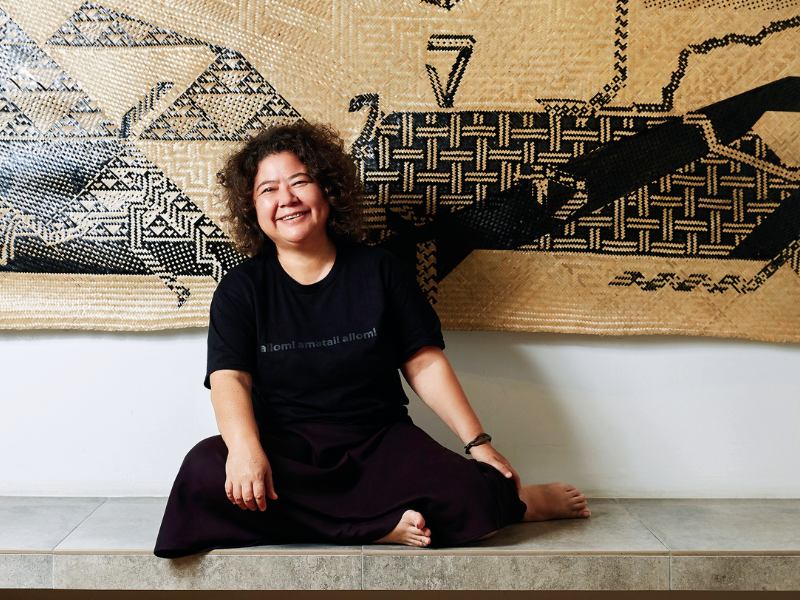
Valentine gave Southeast Asia’s regional art scene a trans-border social life. He introduced us to each other — artists, curators, writers, collectors. We became friends and made conversation. This coincided with the rise of AirAsia, which helped these relationships develop in person, often over a meal curated by Valentine himself. This social circle included all the arts, from theatre practitioners to punk musicians, filmmakers, restaurateurs, architects, activists and even politicians. Our Valentine brought diverse, busy, opinionated characters together, all of whom became conduits of further action. And this grew and escalated, connecting both people and art scenes. But my favourite memory of him would be when I was still a teenager. I used to go to a club in Kota Kinabalu called The Bistro with my “gang”, which included Penny Wong, now Australia’s minister of foreign affairs. We would be shy, hiding in a corner. And under the shiny lights of a 1980s disco would be Valentine, then co-owner of KK’s hippest club. Years later, in 1994 and as a fresh art graduate with portfolio in hand, I assertively sought out the editor of Men’s Review magazine in his Kuala Lumpur office. That editor was Karim Raslan, who then introduced me to Valentine in KL. Subsequently, Karim published a spread of my work, and Valentine included me in an exhibition at the Sabah Art Gallery. But, really, what Valentine ultimately gave me, Sabahan to Sabahan, was the degil (stubborn) determination to take up space.
Co-artistic director, Papermoon Puppet Theatre
5.png
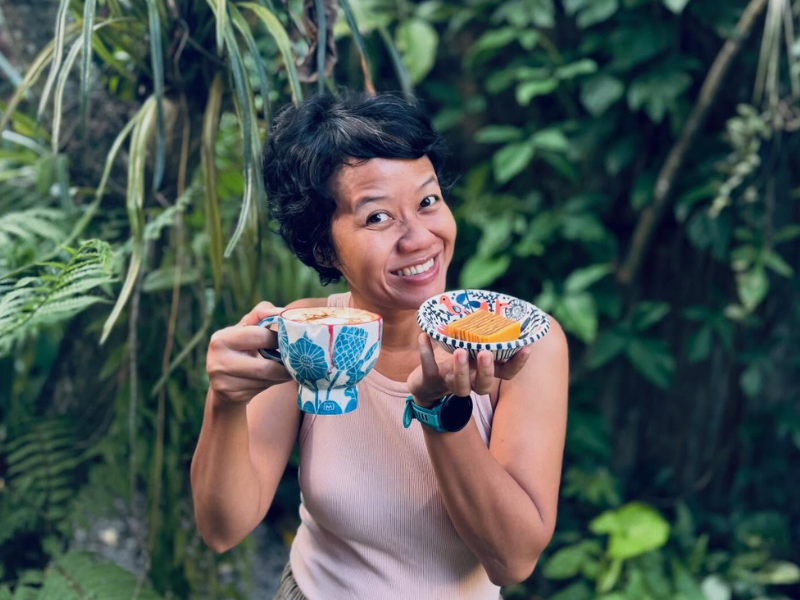
Oom V, as we called him, single-handedly connected so many artists in Southeast Asia. Besides opening doors, he opened our eyes to understanding ourselves more — as Southeast Asian artists and also by learning from fellow artists in the region. I remember Oom V supporting our trip to the Philippines so that we could meet fellow puppetry artists there. He also convinced us that the Pesta Boneka could be an international biennial puppet festival in Indonesia, and he was right! But my favourite memories of him would be the hugs. He hugged deeply.
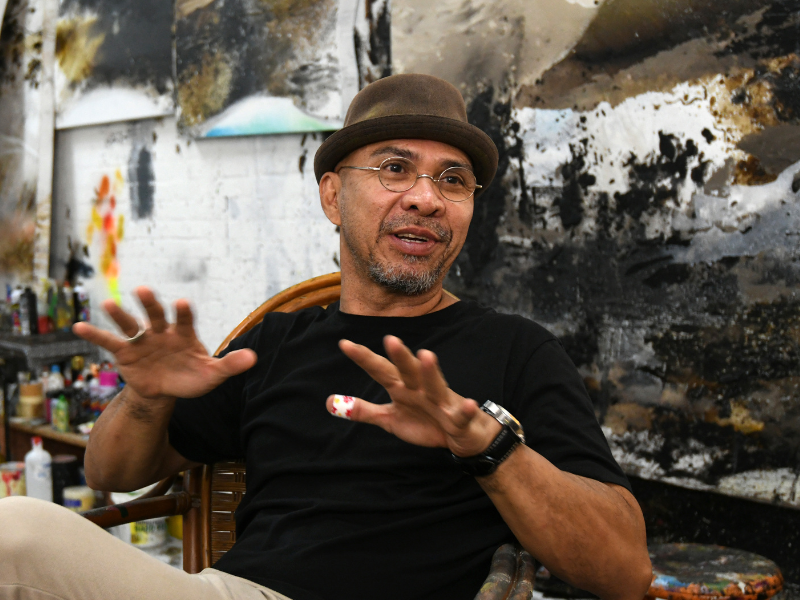
Val was never the loudest voice in the room, yet his presence carried a quiet authority that commanded attention. At times, I found him difficult to negotiate with — not because he was stubborn but because he saw things with a clarity and intelligence that challenged my own assumptions. Through him, I learnt that art dealing goes beyond transaction and exhibitions. It is a delicate relationship built on faith, professionalism, honesty and a shared commitment to the work. The bond between artist and gallery is sustained, not by mere contract, but by trust. Looking back, I realise just how much I learnt from him. Not just about art, but about patience, conviction and the responsibilities that come with one’s practice. Val was more than an art dealer. He was a trusted companion in a significant chapter of my journey as an artist.