
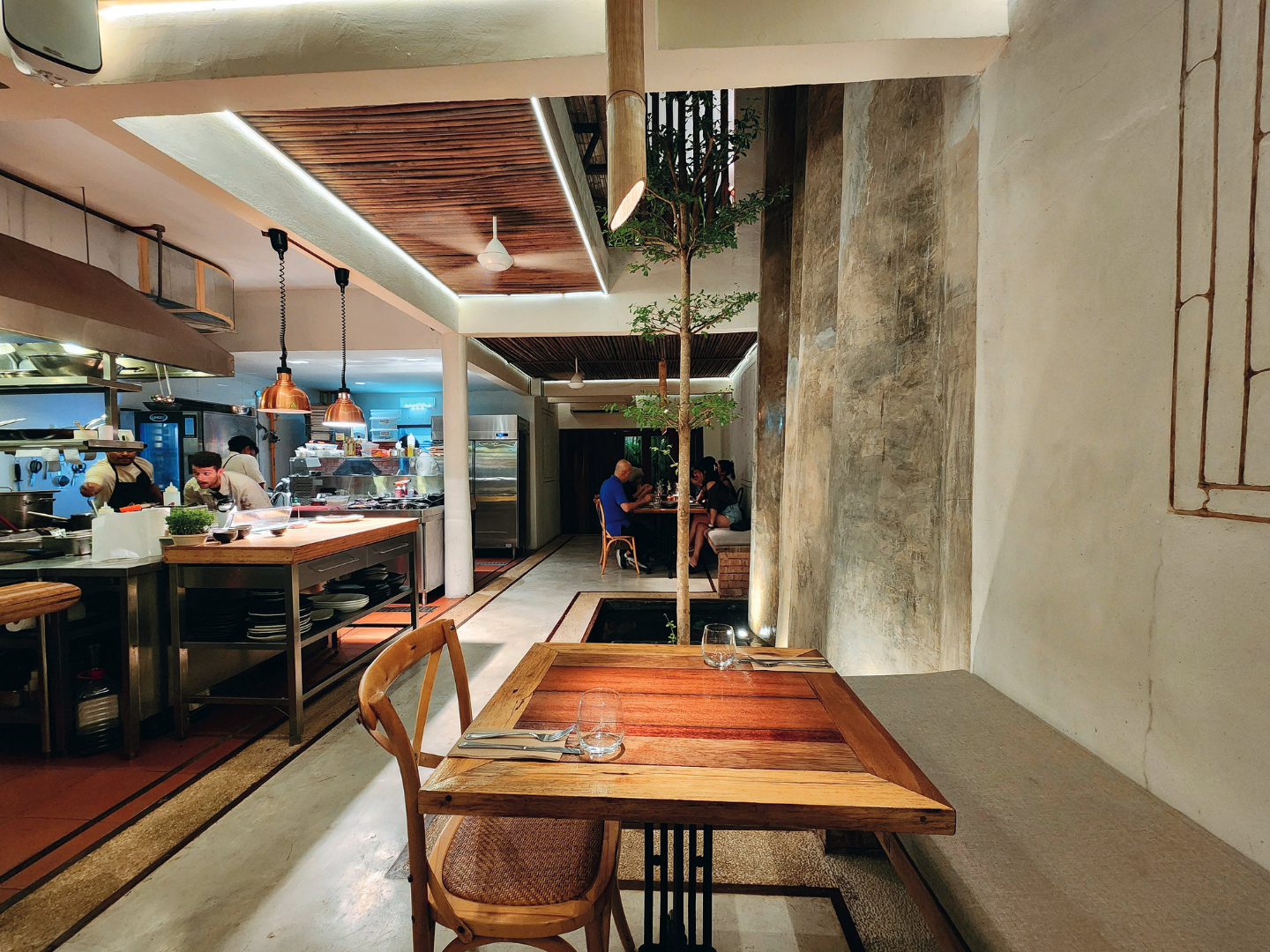
The open kitchen offers a front-row seat to the culinary action (All photos: Emily Yap/The Edge)
Lorong Kurau is quaint and effortlessly charming, but finding a parking spot in this narrow strip in Bangsar, Kuala Lumpur, is a notorious game of musical chairs. Nevertheless, diners routinely flock to the leafy enclave, drawn by its dense concentration of neighbourhood haunts serving a medley of cuisines. Whether it is the beloved vegetarian dishes at South Indian institution The Ganga Cafe, Middle Eastern plates at Lebanese-Australian restaurant Beirut Habibi, or the battered sea perch perfectly crisped to a science at British chippy Boys Don’t Fry, the meal is always worth a few laps around the block.
The latest addition to the row introduces yet another global flavour into the fray. Occupying the corner lot once home to tapas and wine bar La Bodega, Warung Putih offers a playful subversion of expectations. Do not be fooled by its Malay moniker, as the cucina serves up pure Italian fare. Admittedly, the name is a little tongue-in-cheek. Warung, which describes small and modest, often family-owned businesses, evokes the casual charm of a mom-and-pop osteria. Putih, on the other hand… Well, you get the gist.
Joining the Samadhi Retreats family, the restaurant is Federico and Maple Asaro’s newest venture. The entrepreneurial pair has already left a mark on the city with the lush Mekong flavours of Tamarind Springs, the bold Spanish dishes at Barra and its pork-free counterpart, Barraca. Yet, Warung Putih is arguably their most personal project to date, reflecting Federico’s own cultural experience as an Italian growing up in Malaysia.
1.png
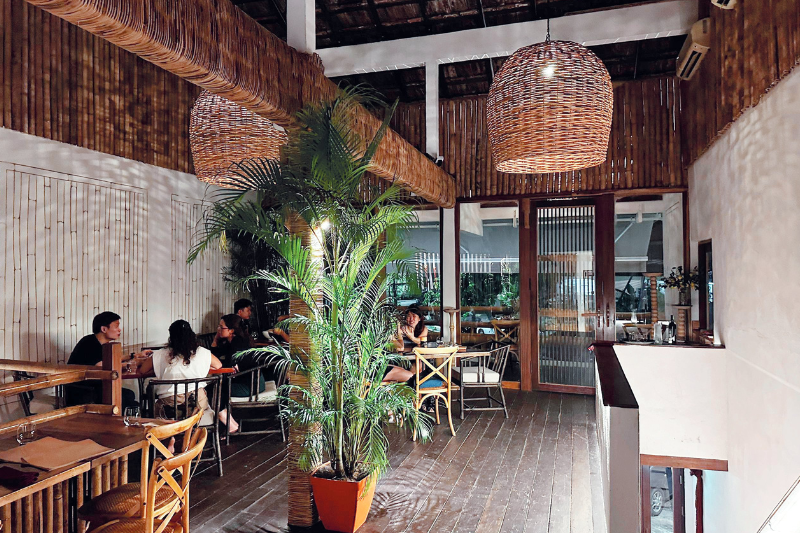
Instead of focusing on one city, the pork-free menu celebrates Bel Paese’s diverse culinary map, serving up the kind of unpretentious, regional plates you would discover at a hole-in-the-wall eatery off the beaten path. Helming the kitchen is 27-year-old chef Manuel Sanzo, a native of Bologna, the city affectionately dubbed La Grassa, or The Fat One, in homage to its status as the country’s undisputed culinary capital. Like any Italian worth his sale, Sanzo’s passion for cooking was forged in his mother’s kitchen. There, he spent his teens learning the art of moulding and shaping pasta by hand and developing the intuition to perfect a hearty ragù.
For a reliable start to dinner, the Insalata Tricolore (RM44) is a foolproof classic. Eschewing the typical chopped salad of arugula, endive and radicchio, the kitchen favours a version from the sun-drenched isle of Capri. This iteration pairs creamy burrata with cherry tomatoes, house made pesto and alfalfa for a light and refreshing antipasto. Finished with a drizzle of balsamic glaze, it is a faithful nod to the colours of the Italian flag.
A staple of Northern Italy, the Polenta Fritta (RM28) is a rustic dish born from the tradition of repurposing leftover boiled cornmeal. Done right, these fritters should provide a satisfying crunch that gives way to a soft, fluffy centre. Unfortunately, the execution here fell short. The cuts were overly thin, resulting in a dry and brittle texture. The accompanying parmesan fondue also failed to provide the necessary lift, arriving as a dull topping that lacked the sharp, nutty punch one expects from high-quality Parmigiano.
warung_putih.png
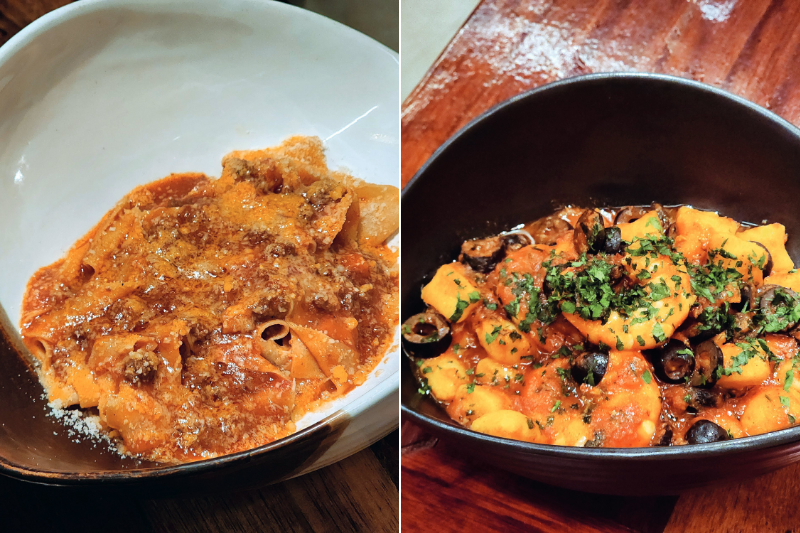
Fortunately, the menu finds its footing with the pasta and gnocchi, hand-rolled and prepared fresh daily. A Tuscan speciality, the Pappardelle Al Ragù di Agnello (RM47) comes with wide, silken ribbons tossed in a savoury, slow-braised lamb ragù. While the meat was rendered out tenderly, we found ourselves wishing for a more generous ladle of that reduction to fully coat the broad surface of the pappardelle.
On the other hand, the Gnocchi di Mare (RM50) is a standout for those seeking a taste of the coast. Delicate and pillowy, the cloud-like dumplings are tossed in a vibrant Napoli sauce that is simple in composition but rich in depth. Its bright acidity heightened the natural sweetness of the fresh prawns while a generous scattering of black olives delivered bursts of piquancy.
warung_putih_1.png
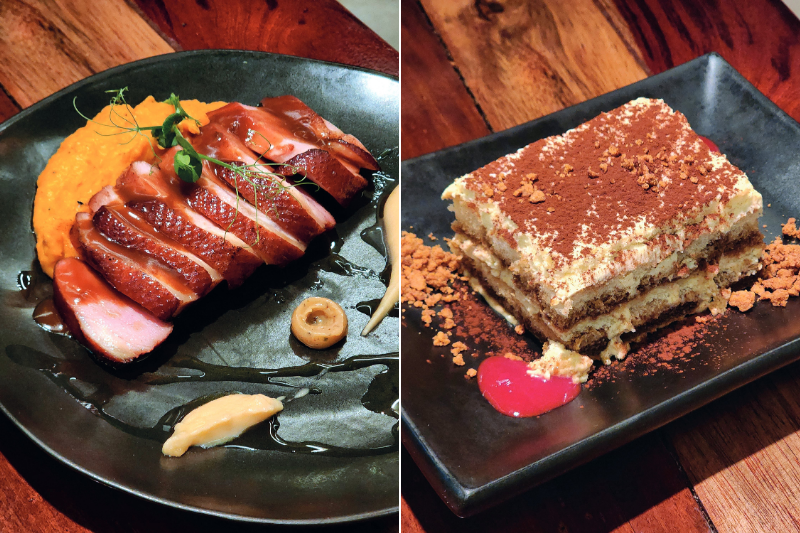
For a more protein-forward option that will stay within your evening macros, the Petto d’Anatra Affumicato (RM42) features smoked duck breast with dollops of garlic purée and tangy orange jus over a bed of sweet potato mash. This pairing of fruit and fowl — a hallmark of agrodolce (sour and sweet) cooking styles — makes use of citrus to cut through the richness of fatty game. Pro tip: As Warung Putih’s jus leans towards saccharine, we recommend requesting it on the side to dress the bird according to your taste.
The Tiramisu (RM35) serves as the perfect pick-me-up to round off the evening. It is often said that the simplest dishes are the hardest to execute, but even without a splash of liqueur, the kitchen nails the essential elements that make the dessert a classic. We could have done without the extraneous flourishes of crumbs and coulis, but the airy and balanced layers of mascarpone and coffee-soaked fingers speak for themselves. It comes in a massive and shareable portion that manages to stay light on the palate.
FYI, if you are planning an apericena with friends, Warung Putih offers a rare perk: a BYOB policy with no corkage fee (for now). So feel free to bring along your favourite bottle of Chianti or crisp Vermentino to pair with the comforting fare. To that, we say salut!
21 Lorong Kurau, Bangsar, KL. Open Tues-Sun, 12 to 3pm and 6-10pm. Closed on Mon.
This article first appeared on March 30, 2026 in The Edge Malaysia.