

Gothic fiction author Bissme S (Photo: Low Yen Yeing/The Edge)
If the saying “you are what you eat” is true, then, to a similar extent, one’s personality should also reflect the art they create, no?
“I have always loved gothic stories with a dark element, but I don’t think I’m a bleak person,” says gothic fiction author Bissme S. Most readers might imagine the writers of their favourite tomes to be exactly as their genres suggest — romance is birthed from hope and tenderness, while those producing crime novels must be particularly analytical and perceptive in order to spin a good mystery. This, however, is not always the case.
“Before meeting me, people tend to imagine I’m a gloomy man who’s always brooding and wearing dark colours, and they’re surprised to find out that’s not who I am,” Bissme says with a laugh. Expressive, humorous and devastatingly friendly, he is hardly the stereotype of someone whose younger years were spent absorbed in the macabre and melancholic worlds of Edgar Allan Poe, Bram Stoker and Mary Shelley.
Despite his sunny disposition, the veteran journalist with almost 30 years of experience wields his pen in the horror arena. Rather than typical ghost stories, his work tackles the gritty, morose side of humanity. His first two releases, Doubt and Bitter, are collections of short stories exploring the concepts of dreams and disappointments as well as love and loneliness through real-life terror and taboos — think characters plagued by mental illness, dysfunctional families with murderous intent, even cannibalism involving loved ones.
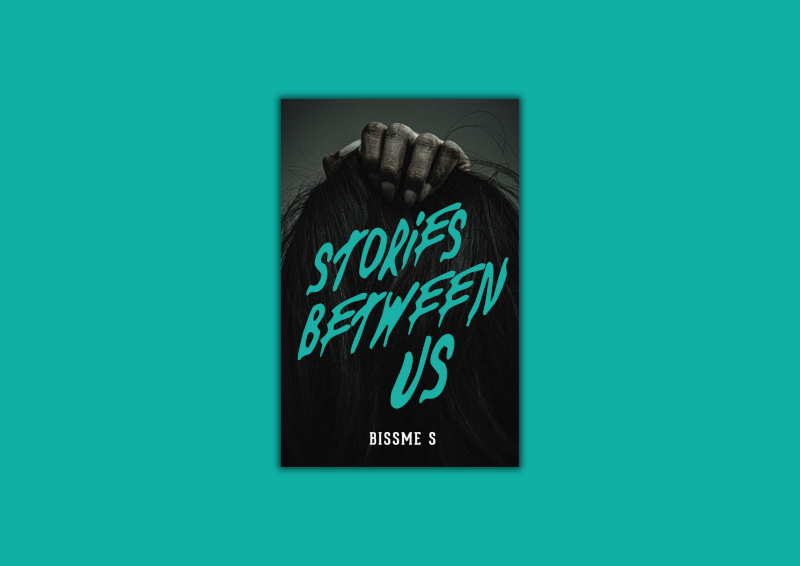
His latest output, Stories Between Us, sees him further carve out his niche. The short story collection starts with a glimpse into his mind and motive — a ferocious female entity holds the narrator captive, demanding he write 18 stories to her liking or suffer a painful death. His are not accounts that garner screams and shivers but, rather, make you squirm. A woman opens her front door to a clown selling a refrigerator, and later discovers its terrible contents. Two men bond over the deaths of their wives and as the widowers connect, the line between reality and madness blurs. A woman saves a drowning journalist, but the events that follow are anything but a hopeful heroine’s adventure.
Across the chapters, recurring motifs such as a unicorn, fruit cake and a yellow book cover bring a sense of cohesion to the overall experience. The language used is intentionally simple and, as each section is just a few pages long, the book goes down quickly and easily. While some of the stories have a supernatural element, most get under your skin by picking at the unsettling dimensions of human nature.
banner_45.png
Past the gore and grotesqueness, the stories address serious material, from postpartum depression to grief. By forgoing cheap jump scares and corny spirits, the read encourages the mind to reflect and ponder once it has processed its initial feelings of shock and disgust. Horror often confronts sociocultural issues, albeit in unfiltered and uncomfortable ways.
One may argue such plots are overwhelming at a time when the news is just as scary, if not more so. And are books not supposed to offer momentary respite from harsh reality? Bissme believes this is not always the case. In fact, some of the media we consume should elicit negative emotions, familiarising the mind and body with sensations we typically avoid.
“No matter how much we try to deny it or look away, these things happen,” he says. “There are mothers who feel trapped by their role, and people who contemplate death and self harm. These things can make readers uneasy or uncomfortable, but it’s actually important to have these types of stories so we cope with these real topics and sensations.
“Dark stories make you think about the things we don’t normally like to talk about. You cannot run away from or escape difficult truths. The things I write about make readers face the unsavoury aspects of human life and the world. We cannot be desensitised to these matters, and must be able to understand they happen.”
Whether through fiction, watching the news or holding mindful discussions within our own circles, it is only through coming to terms with these issues that we understand their gravity and prominence in society. This is how the fire to seek out solutions is ignited. Bissme offers an example: “One of my favourite TV shows is Law & Order: SVU, which talks about lots of tough subjects. The events that unfold on screen happen to people in the real world, every day. The protagonists are always pursuing justice and seeking answers, the way we should be too.”
The author’s passion is vital at a time when age-old debates surrounding censorship in the creative industry are reaching a boiling point. What starts as one reader saying a writer should only pen certain topics evolves into a greater, more terrifying beast — that art forms no longer have the freedom to criticise current issues.
“We shouldn’t be telling writers to publish certain things just because it’s our preference. I’m not saying people who want to read about happy things have to stop doing as they like and go for dark, disturbing material, or other genres. The point is, we cannot demand creatives produce something just because it’s what we, as individuals, desire,” he notes.
Of course, writers themselves must be daring enough to work with the unconventional and probe areas most do not. It is why Bissme recommends exploring grittier, unpolished concepts from time to time. Even if the result is not always sunshine and rainbows, experimenting offers a type of growth only attainable by leaving one’s comfort zone. “I get to explore and do whatever I want in my fictional worlds. When the imagination has the freedom to go wild, you get to expand beyond what you already know. You become more interesting as a person and author.”
This article first appeared on July 6, 2026 in The Edge Malaysia.